


-
Home

-
Consultant directory
-
List all
-
Services
-
Joint service
- Hepatology
Acute Liver Disease
We manage several acute liver diseases. These often present as an emergency or urgent GP referral.
Some of the acute liver conditions are listed below:
-
viral hepatitis
-
drug induced liver injuries.
-
autoimmune liver disease.
-
first presentations of decompensated cirrhosis.
Chronic Liver Disease
Chronic liver disease and its management at University Hospitals Dorset
Long term liver disease causes symptoms that affects people differently. We use tests and treatments to support the liver. If you have questions about your care, please speak with your nurse or doctor.
Inpatient hepatology services
Our hospitals provide specialist inpatient care for patients with liver and gastrointestinal (GI) conditions. Services include:
- review of acute liver conditions on the Acute Medical Unit and gastroenterology wards.
- emergency endoscopy procedures
- liver biopsies for diagnostic and monitoring purposes
- management of acute and chronic liver conditions
- comprehensive care for advanced liver disease and complications
Our multidisciplinary teams makes sure every patient receives high-quality treatment during their hospital stay.
Outpatient hepatology services
We offer outpatient care that is as flexible as possible based on your needs. This includes face-to-face and telephone, as well as virtual consultations based on your needs:
- follow-up clinics for chronic liver conditions
- blood test and imaging monitoring
- specialist nurse-led clinics for hepatitis B and C
- ongoing care for liver patients.
- liver cancer screening
- access to specialist and community care teams for complex case management
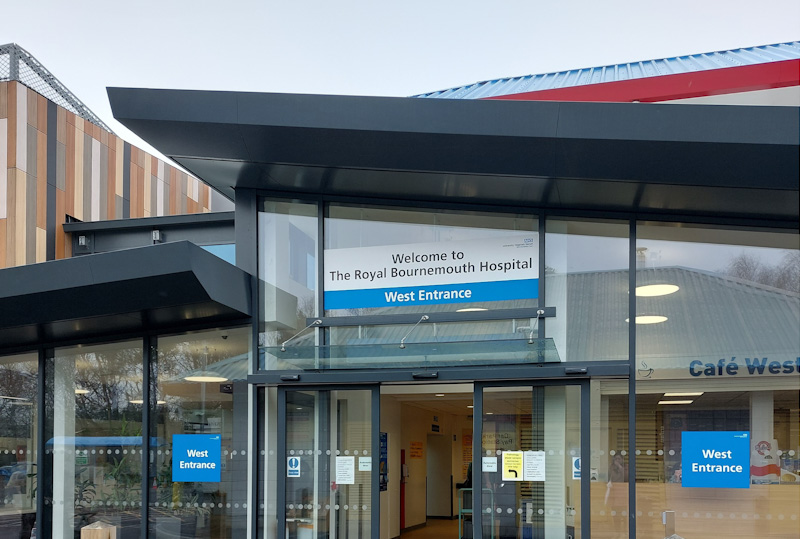
- acute care delivered at Royal Bournemouth
- outpatient care at the Day Care Unit in Poole
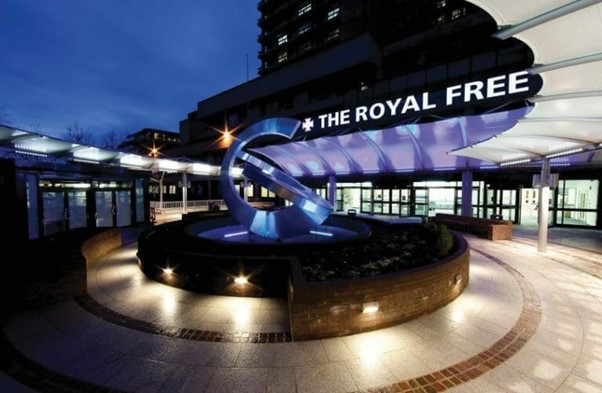
Joint liver transplant clinics with Royal Free Hospital
For patients with advanced liver disease, we offer joint transplant review clinics with the Royal Free Hospital, London. These clinics provide:
- local assessments by both UHD and Royal Free specialists
- seamless evaluation for transplant eligibility
- coordinated care from first discussions through to potential transplant listing
This partnership ensures our patients can access world-class expertise while receiving care closer to home.
Post-transplant outpatient care is also supported locally. This allows patients to be seen at UHD for some of their follow-up appointments. This reduces the need for frequent travel to London, while still maintaining close working with the Royal Free transplant team.
We are also working with We Are With You, to make sure patients have access to support around substance use and recovery as part of their liver care journey.

Homeless Care Team
The Homeless Care Team plays a key role in the identification, treatment, and ongoing care of blood-borne viruses (BBVs)—particularly Hepatitis C—among individuals experiencing homelessness.
Working closely with community organisations, we provide holistic, person-centred care, including:
- on-site BBV testing and treatment,
-
dry blood spot (DBS) testing for Hepatitis C
-
access to liver specialist nurses and mental health support
-
medication reviews and liver disease management
-
close coordination with housing, addiction, and social care services
By bringing care directly to those most at risk, we help reduce barriers to treatment and improve long-term health outcomes.

Supporting the UK’s goal to eliminate Hepatitis C
At University Hospitals Dorset NHS Foundation Trust (UHD), we play an active role in the Government’s initiative to end Hepatitis C. This is through early diagnosis, effective treatment, and targeted outreach. Blood borne viruses (BBVs) — can have no symptoms for many years, making routine screening important for timely diagnosis and treatment
Working with the Hepatitis C Trust, we bring testing and treatment directly into the community, including:
- people going through homelessness
- people who inject drugs or have a history of substance use
- people not engaged with mainstream health services
By removing barriers to care, we’re helping Dorset move closer to hepatitis C elimination.
UHD has introduced BBV testing for all patients over the age of 16 years having blood tests in our Emergency Departments. This helps us find infections early.
- Negative results: No further action is needed.
- Positive results: Our specialist team will contact you to arrange follow-up testing, treatment, or referral.
- Opting out: If you do not wish to be tested, simply let the clinician know.
- Blood borne virus
- Multilingual information on blood-borne virus screening
- Resources
Diagnostic / New Referrals (Inpatient / Outpatient)
This page is currently being built
Liver Support Groups
This page is currently being built