
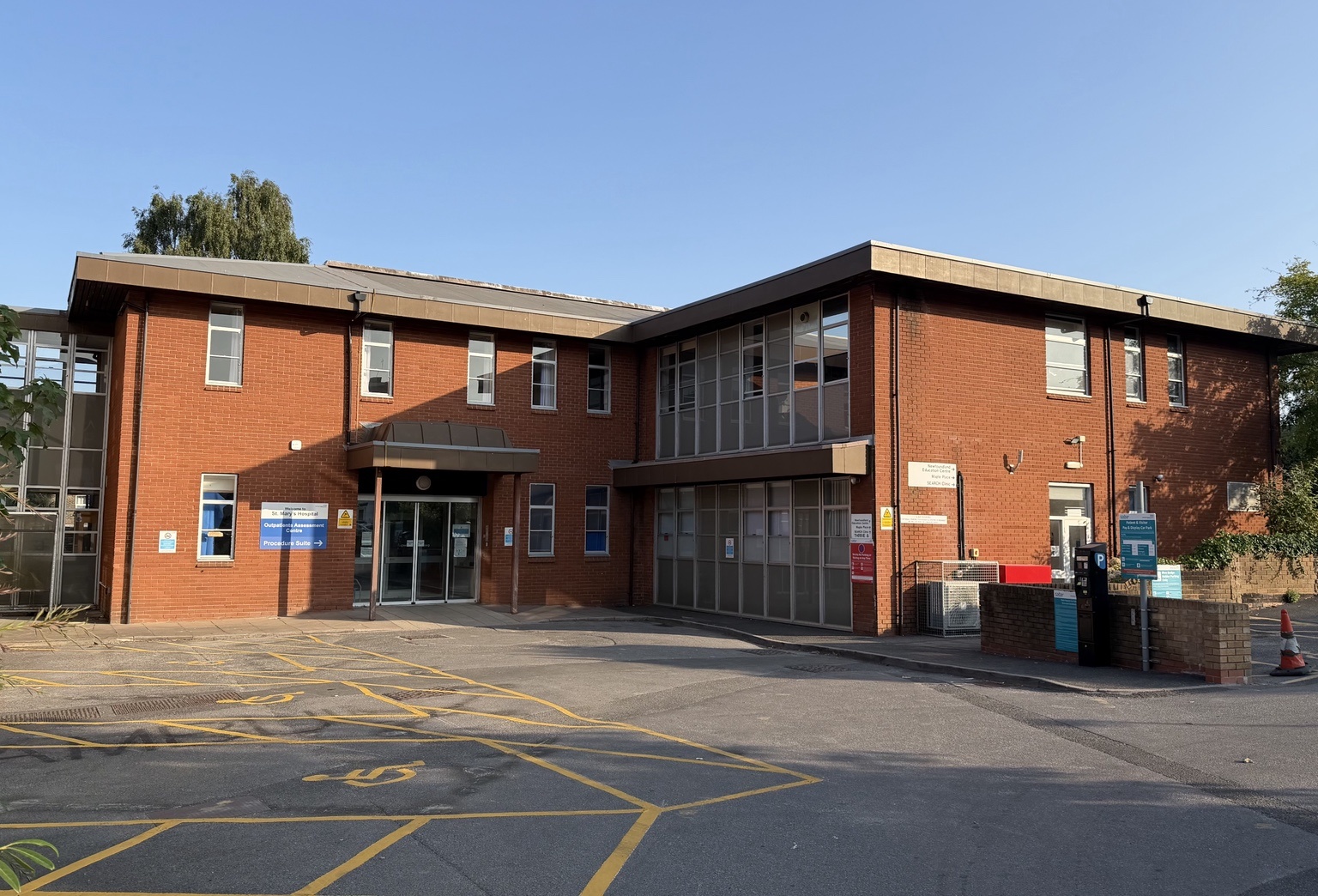

Day Surgery Services
The Day Surgery Service at University Hospital Dorset NHS Trust provides safe, planned procedures/operation for adult (16 years and over) patients who do not require an overnight hospital stay, enabling them to have their operation, recover, and return home on the same day.
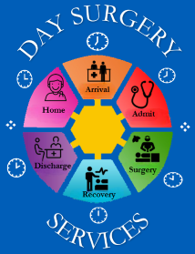

Our experienced team cares for patients across a variety of specialties, including Urology, Gynaecology, Breast and Endocrine Surgery, General Surgery, Colorectal Surgery, Upper Gastrointestinal (GI) Surgery, Ear, Nose and Throat (ENT), Oral and Maxillofacial (OMF) Surgery, Rheumatology and Pain Management, and Orthopaedics. We are committed to delivering high-quality, patient-centred care in a safe, supportive, and welcoming environment.
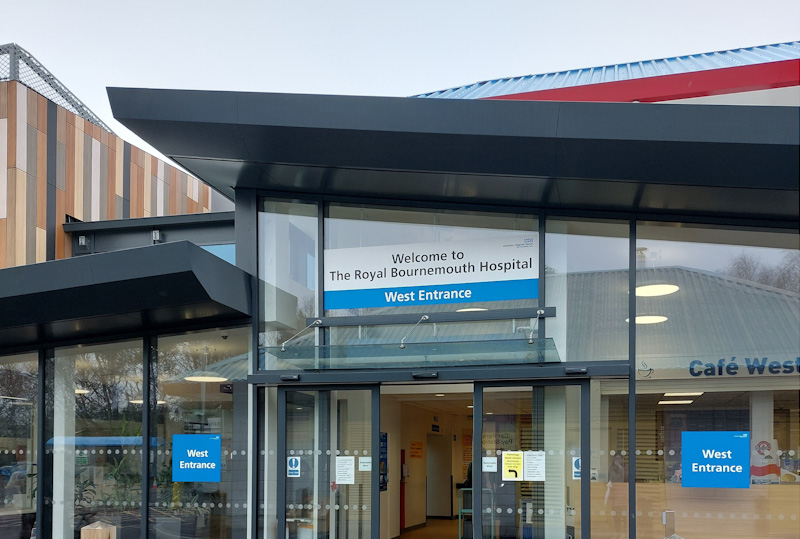
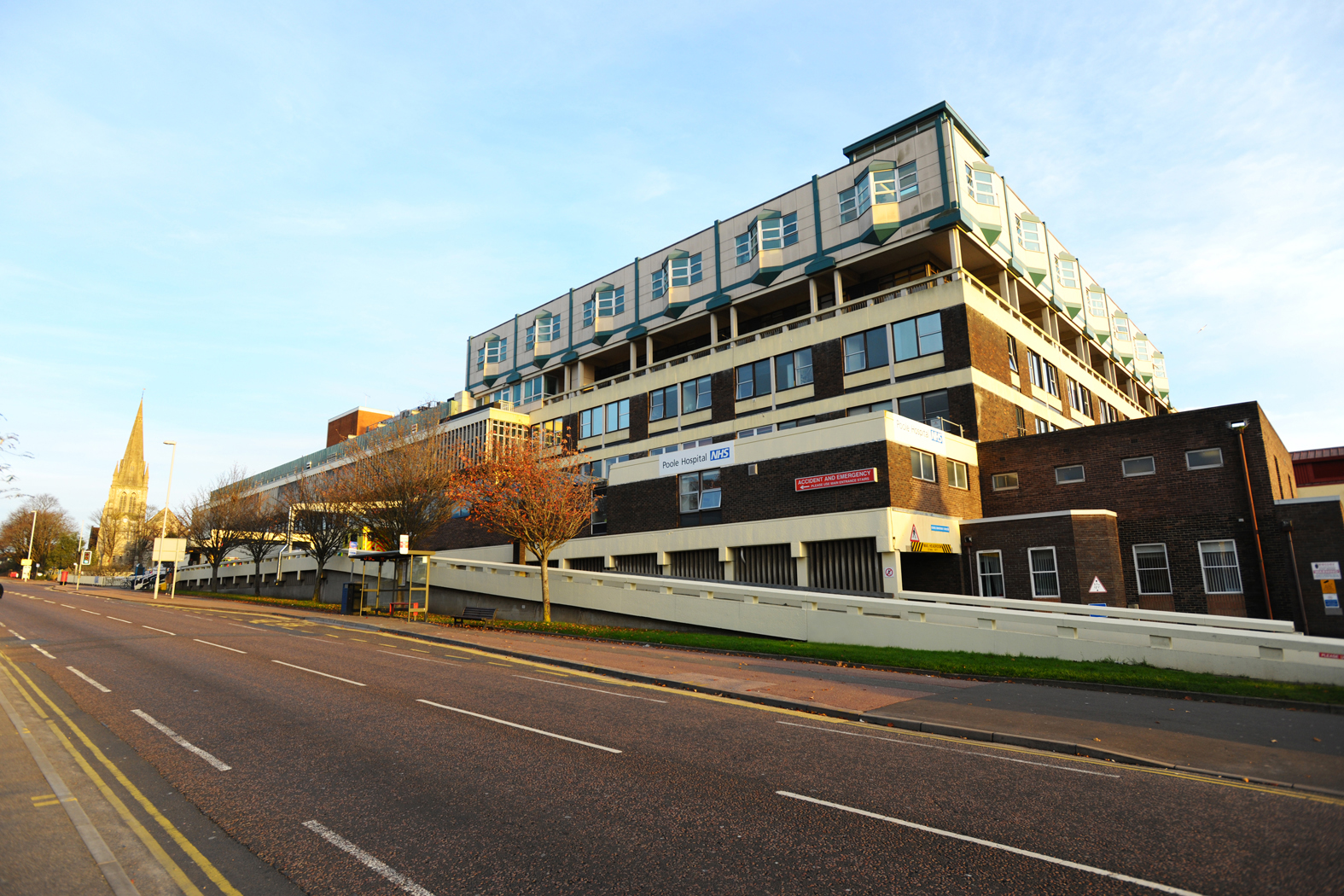
| Poole Hospital: | Royal Bournemouth Hospital: |
|
Day of Surgery Longfleet Road, Poole, BH15 2JB. Pink zone E block level 2 |
Ward A26 Right Castle Lane East, Bournemouth, BH7 7DW First floor West Wing |
|
Telephone: 0300 019 2150 |
Telephone: 0300 019 6081 |
|
Ward Lead: Toni Bailey
Deputy Leads: Luke Skinner Rowena Christie
Matron for surgery: David Wyman - contact via email This email address is being protected from spambots. You need JavaScript enabled to view it. |
Ward Lead: Sian Kousin-Ezewu
Deputy Leads: Dianne Leonard Karen Ismail |
Opening hours
Poole Hospital: Monday – Friday 07:00 – 20:00
Royal Bournemouth Hospital: Monday – Friday 07:00 – 21:00
Transforming Care Together – Spring 2027
As part of the £500m investment in our hospital sites to ensure our patients receive the right care, in the right place, at the right time
Poole Hospital will become the biggest major planned care centre in the UK - reducing waiting times. Day Surgery Services will be on floors E2 and E3.
Royal Bournemouth Hospital will become the major emergency centre - faster, better specialist emergency care when you need it. Surgical Admissions Day Unit (SADU) will move to A36.
UHD Poole & Bournemouth hospital are both non-smoking sites.
What to expect on the day
Please have a shower or bath on the morning of your surgery. This reduces the risk of infection during your medical treatment.
|
If your operation is at 7am |
If your operation is at 10am |
If your operation is at 11am |
If your operation is at 12pm |
|
Don’t eat after 2am |
Don’t eat after 4am |
Don’t eat after 5am |
Have breakfast before 6am |
|
You may have water till 6am |
You may have water till 9am |
You may have water till 10am |
You may drink water till 11am |
Your admission letter will instruct you whether to come to Poole or Bournemouth site.
It is important that you arrive on time.
Please be prepared for a period of waiting while you are in the Day Surgery Unit. Your admission time is not your surgery time. The time you are asked to arrive allows us to complete your admission, assessments, and any preparations required before your procedure.
Although we aim to keep to scheduled times, some patients may be called before you. This is because several operating theatres may be running at the same time and theatre lists can change throughout the day.
The order of procedures may be adjusted by the surgeon or anaesthetist according to clinical priority. Delays can also occur if procedures take longer than expected or if unforeseen circumstances arise.
Some patients may need to attend other departments, such as X-ray or other investigations, before their procedure and may therefore be called at a different time.
If you have any concerns while you are waiting, please speak to a member of staff, who will be happy to provide an update where possible.
We appreciate your patience and understanding. Our priority is to ensure that every patient receives safe, high-quality care.
There are no beds on these units, and most patients can walk to the operating theatre. There is a large male and female waiting room with a selection of chairs and a TV for your entertainment.
Soon after you arrive in the unit:
You will be seen by a nurse who:
- Will check your details
- Take your observations
- Measure you for surgical stockings to wear if appropriate
- Provide you with water to sip until you go to theatre if appropriate
- Provide you with a surgical gown to change into
- Provide you with dignity pants if appropriate
- Show you to either the male or female waiting room
You will be seen by your anaesthetist who:
- Will discuss your current and past medical history
- Ensure that you are fit for anaesthetic
- Will discuss the most appropriate type of anaesthetic for you, explain any associated risks, answer your questions
You will be seen by your surgeon who:
- Will answer any further questions
- Confirm your consent
- Mark your operation site with a pen (if applicable)
Chaperone
If you want someone to stay with you for your appointment or examination? All patients have the right to request a chaperone for any consultation, examination, or procedure. A chaperone is usually another member of staff who can provide support and reassurance. Where possible, we will offer a chaperone of the same sex, or one that you feel comfortable with. Please let us know if you would like us to arrange this.
Pregnancy testing prior to planned surgery
On the day of your surgery, you will be asked to give a small urine sample. The test only takes a few minutes and will not delay your operation. We will tell you the result straight away.
We offer a pregnancy test to all women aged 16 to 60 before surgery. You do not need a test if:
- you have had your womb or ovaries removed.
- you are post menopause and not had a period for a year or more.
The test is routine for all patients whose gender was assigned as female at birth. It is not based on your personal life or situation
Some medicines and anaesthetics used during surgery can be less safe if someone is pregnant. People do not always know they are pregnant. These medicines can also sometimes harm a baby in early pregnancy.
Operating theatre
When it is time for your procedure you will be asked to confirm your name, date of birth, your procedure and consent form by a Theatre Support Worker. They will also run through some other checks such as allergies, hospital number etc. Once completed they will accompany you to the operating theatre/anaesthetic room where you will be asked to lay on a trolley.
After your surgery
You will be transferred to the recovery area, and you will stay there until you are fully awake and comfortable.
You will then be taken by trolley to our day surgery ward.
You will then be encouraged to:
- Drink
- Eat
- Mobilise
- Use the bathroom
- Get dressed
- Go home
Visiting
To help maintain patient privacy, dignity, and a calm environment within the Day Surgery Unit, visitors are not encouraged to stay during a patient's admission due to limited space and capacity within the department.
We recognise that some patients may require additional support. Exceptions can be made for patients with significant anxiety, learning disabilities, dementia, communication needs, or where reasonable adjustments have been identified during the pre-operative assessment. These requests will be considered on an individual basis to ensure patients receive the support they need. Please speak to the nurse in charge on the day of surgery if you require any additional support.
Waiting areas
We kindly ask that family members, children or friends wait off the ward until you are ready for discharge. If you require additional support for discharge information please inform the nurse looking after you so that we can accommodate this.
If you’re unwell or unable to attend
If you have had diarrhoea or vomiting within 48 hours do not attend our department.
If you have had a cough, cold or flu symptoms during the immediate pre-operative period you should inform us. On occasions it may be necessary to postpone your operation until you are well again.
In the first instance, contact the elective admissions officer, details of which will be found on your admission letter.
Or out of hours please contact the cancellation line on 0300 019 8366 (Poole).
If you do not attend or cancel two appointments, you may be discharged back to your GP or dentist.
What should I bring?
We provide a locker for your clothes and other belongings. The key is kept in a key safe behind the nurse's station, when you return to the ward following your surgery your belongings will be returned to you.
- You may wish to bring a book, kindle, magazine, headphones or mobile to pass the time.
- Regular medication doses that you might need during your visit in original containers/packaging
- Your own long dressing gown and slippers
- A bag for your personal belongings
- Any mobility aids
- Hearing aids or spectacles if required
- Name and number of the person collecting you after your operation
- We can provide a range of refreshments; however, if you have special dietary requirements, allergies, or preferences, you may wish to bring your own food or snacks for after your procedure. Please check with a member of staff before eating following your operation.
- Flat good fitting shoes
What not to bring?
- Large sums of money
- Do not bring anything valuable such as, jewellery, electrical items as we cannot be held responsible of any loss or broken items
Mobile phones
Mobile phones are permitted in our departments. Please consider other patients around you by using earphones when listening or watch audio/video content or making phone calls.
Taking photos or making recordings
For reasons of confidentiality and safety, the trust does not allow visitors to take photos or make audio recordings on the premises so please ask permission before taking any photos or videos of our department.
Discharge
You will be discharged by a competent Registered Nurse through our Nurse-Led Discharge process once you have met the discharge criteria. You will not routinely be reviewed by the surgeon following your procedure. However, if you would like to see the surgeon before discharge, please inform the nurse responsible for your post-operative care and recovery.
- Please tell us on admission if the person collecting you has far to travel.
- You cannot use public transport after a general anaesthetic.
- When you are ready for discharge, we will inform you to contact the person collecting you or we can contact them for you.
- There is a 20-minute pickup /drop off zone outside the main entrance or use the multi-storey carpark.
- The person collecting you will need to come up to the ward.
- Wheelchairs are available in the main entrance, please advise your lift to collect one if required.
- Patients who meet the strict discharge criteria can return home alone in our approved and discounted taxi service. Our approved taxi service is PRC Streamline Group and they can be contacted on 01202 373737.
Making our service sustainable
We are always looking for ways to reduce our impact on the environment and save NHS money so that it can be put back into day surgery services. These are some of the ways in which you can help us.
- Bring your own dressing gown and slippers (to reduce the number of hospital gowns that need laundering).
- Bring a reusable cup/bottle to use at our water fountains (to reduce single use plastic cups).
- Decline duplicate leaflets that you already have (help us save a tree!).
- Remember to bring medications you will need during your visit.
- Bring a bag for your personal belongings
Patient leaflets
- Reducing the risk of falls in hospital
- Preventing blood clots in hospital
- Pressure ulcers
- Going home from hospital (Poole Hospital)
- Going home after a local anaesthetic (Poole Hospital)
- Going home from hospital (Royal Bournemouth Hospital)
- Going home after a local anaesthetic (Royal Bournemouth Hospital)
- Post-operative wound care
- Managing your pain after surgery
- No one at home - post-operative phone calls
- ‘SipTilSend’ advice for patients
- Patient returning home alone by taxi after general anaesthetic
- Carer’s support
- Specialty leaflets
Useful links
Patients | British Association of Oral and Maxillofacial Surgeons
ENT Conditions and Procedures | ENT UK
Tonsillectomy (taking out your tonsils) because of repeated infections
Patient Feedback
We value your feedback. Please use the QR code to tell us about your experience. Your comments help us identify what we do well and where we can improve, enabling us to provide the best possible care for future patients. Thank you for taking the time to share your feedback.
Click here for the QR code poster
Or click here to go directly to the survey
Patient Advice and Liaison Service (PALS)
The Patient Advice and Liaison Service (PALS) offer confidential advice, support and information on matters relating to your care and treatment at any of the trust's hospitals. Please click here for more information on PALS.