

-
Home

-
Consultant directory
-
List all
-
Services
-
Joint service
- Palliative care
Volunteers
More information coming soon
Contact the team
The End-of-Life Team office hours vary between sites.
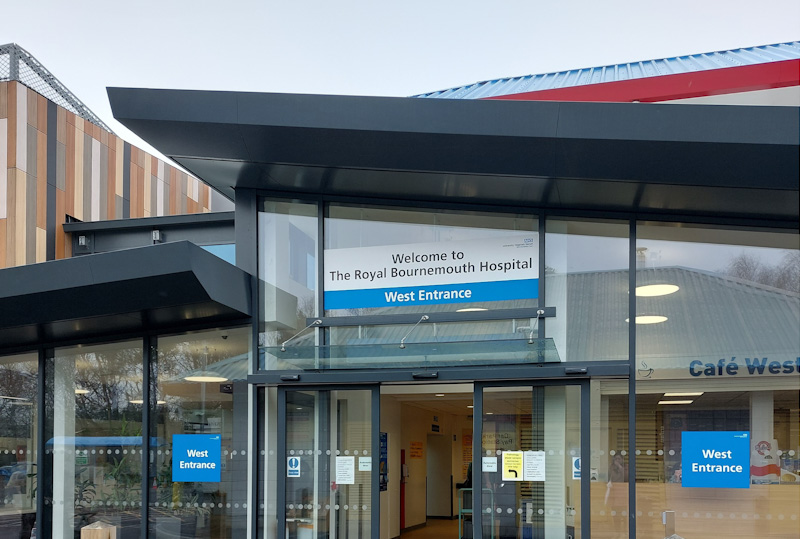
Royal Bournemouth Hospital Palliative Care Team is available 7 days a week (including bank holidays) from 8am-4pm ☏ 0300 019 6021.
The Poole hospital team is available from Monday to Friday 8.30am to 4.30pm ☏ 0300 019 8102.
What to expect
The final days of life are precious and are often remembered in detail by those who live on. The priority is to ensure a peaceful and comfortable death with the right level of support the person who is dying and those important to them.
The dying process is unique to each person, however there are a few common changes that happen to almost everyone when they are in the last days of life.
Some of these might look distressing, but most of the time the person is not in any pain, and they are just a normal part of dying.
If you have been involved in care up until the final days, then you may want to stay involved or you may want to step back and let others perform the physical care. You are part of the caring team, and your voice should always be heard, and decisions shared. You may find the following links useful.
Meet the team
The End-of-Life team support patients in their last days or hours of life, those close to them and the staff caring for them. They work closely with the Specialist Palliative Care Team to make sure all patients in the last days of life get the correct support and advice.
- Palliative & End of Life Care lead
- 3 End of Life care specialist nurses
- End of Life practice educator
They offer support through:
- Daily reviews – To support patients and their loved ones in the last days of life.
- Support calls - To update those important to you of changes and offer support.
- Hospital discharge – We work with community teams to support discharge for patients who wish to have end-of-life care in the community. This might be at home, a hospice or nursing home.
End of Life Care
What is End of Life Care?
The Butterfly WINGS model of care is used to support and guide the care of patients and their loved ones during end-of-life care, and afterwards. It is part of our commitment to you and those important to you at this time and will commence when your Personalised Care Plan for Last Days of Life is agreed and in place.
A blue butterfly image is displayed on the door or curtain of the dying patient’s bedspace. It acts as a visual reminder to the wider team to ensure a calm and respectful environment during what is a sensitive time.
This model of care promotes dignity, respect and compassion at the end of life. It enables us to be open about recognising dying and convey this to those indirectly caring for you and your significant others. It considers those that will be bereaved, offering memory making opportunities such as handprints, knitted hearts, blankets and teddies.
Staff are supported to deliver high quality care that is tailored to the person, using the Butterfly WINGS model of care. This approach is used to acknowledge when the focus of a person’s care is on comfort and symptom control. The focus is on 'What Matters' for the person.
WINGS means:
What matters: Sensitive communication with the patient and those important to them
Identify: Recognise, understand and anticipate – Is the patient believed to be entering last days of life?
Needs: Create an individualised Personalised Care Plan for Last Days of Life (PCPLDL) to help patients to be comfortable throughout
Goals: Do what matters, step outside the box and help with what is important to the patient and family
Support: Throughout life and during bereavement – make sure the needs of the patient and family being met, noted and reviewed often.