

The Neonatal Unit
The Neonatal Unit (NNU) cares for babies requiring special care, whether it is due to prematurity, illness at delivery, or health problems during the baby’s stay at hospital.
The unit has 20 cots - four of those are intensive care cots, six are high dependency cots and ten are special care cots.
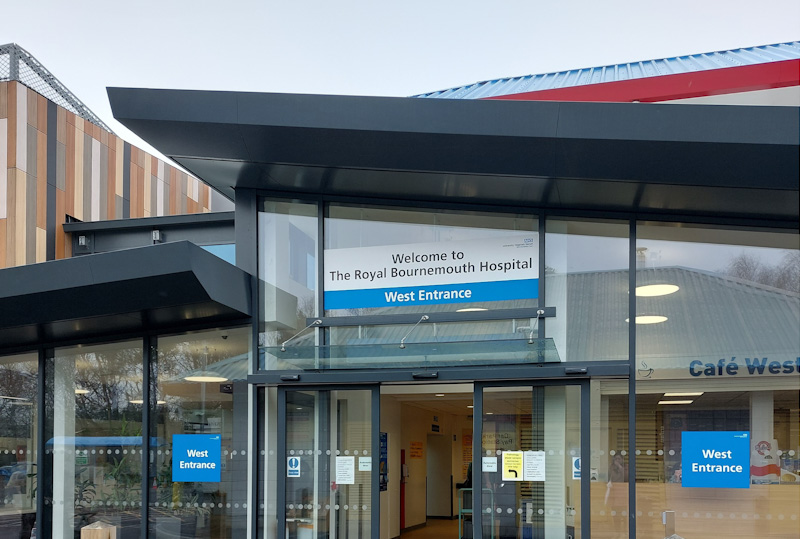
The Neonatal Unit is on the 3rd floor of the BEACH Building (B12) at the Royal Bournemouth Hospital.
If your baby has to stay in the Neonatal Unit we will work with the immediate family and/or carers to meet his or her specific needs. The facilities at the special baby unit include two overnight rooms with en-suite shower, one side room, four on unit/isolation rooms that parents can stay in alongside their baby, a shower room, expressing room, and a family room.
The unit has open visiting for parents and siblings. Other visiting is 2:30pm-6pm.
Take a virtual tour of our Neonatal Unit
Our 3D tour enables you to ‘visit’ the ward and get a better understanding of what to expect if your child needs neonatal care. You can watch it in one go or look around the area at your own pace. Information tags have been added to explain the different areas of the unit and the equipment used.
Trigger warning: If you are a parent or carer and wish to use the virtual tours to explore the Neonatal Unit where your baby was cared for, please make sure you are in a safe space and feel emotionally ready to revisit the unit. Some parents have told us that revisiting the unit, even years down the line, can bring back emotional memories, so please take care.
Twins and multiple births
Sources for parents expecting twins, triplets or more:
https://www.rcog.org.uk/en/patients/patient-leaflets/multiple-pregnancy-having-more-than-one-baby/
https://www.twinstrust.org/ – This was formally known as TAMBA
https://twinstrust.org/let-us-help/pregnancy-and-birth/finding-out/pregnancy-countdown-tool.html
https://web.bestbeginnings.org.uk/web/videos/twins-or-more
https://www.nhs.uk/conditions/pregnancy-and-baby/giving-birth-to-twins/
Sleeping
https://twinstrust.org/let-us-help/parenting/under-1s/sleep.html
https://www.lullabytrust.org.uk/safer-sleep-advice/twins/
https://www.lullabytrust.org.uk/wp-content/uploads/8-twins-factsheet-2017.pdf
For Dads/partners
Dads and Partners | Everything Else - Pregnancy and Birth | Pregnancy and BirthChildren’s centres offer a selection of support and activity groups to children under 5. To find your local children’s centre please visit www.dorsetforyou.gov.uk/childrens-centres
Parental rights & responsibilities www.gov.uk/parental-rights-responsibilities
Maternity contact details
Please use the contact details below to get in touch.
Maternity Advice Line:
0300 369 0388
Option 1 – clinical advice (24/7 cover)
Option 2 – clerical queries (8am-4pm cover)
Maternity news and views
Healthier Together website
The Maternity Matters Dorset website has now moved to NHS Healthier Together. Dorset patients can now find all local pregnancy, maternity and children’s health information in one place, alongside wider NHS guidance.
Maternity Voices group
We need your help to ensure Dorset’s maternity services are safe, effective and personalised! We want as many parents as possible to join the Maternity Voices group and tell us:
- What sorts of maternity services you want to be provided in Dorset?
- What you think is good or bad about current maternity services?
How do I get involved?
Vist their website here to find out more about your local group: National Maternity Voices – Networking Maternity Voices Partnerships in England
Maternity additional services
Emotional wellbeing
University Hospitals Dorset's Maternity Counselling Service accepts referrals for antenatal or postnatal women who have experienced baby loss, birth trauma or pregnancy related anxiety and/or depression. Counselling provides a safe non-judgemental environment and our team of counsellors have in-depth knowledge and experience of working with Psychological trauma, loss, adjustment as well as common mental health problems such as depression, anxiety and stress.
Referrals can be made by professionals or patients can self-refer. Please email This email address is being protected from spambots. You need JavaScript enabled to view it. if you would like further information about our service, to discuss an individual referral or to request our referral forms.
All of our counsellors are registered with the British Association of Counsellors and Psychotherapists and abide by their Ethical Framework.
For further mental health support, click this link: Pregnancy and Birth
Birth Afterthoughts Service
If you are worried about a previous birth experience, click here: Worried about a previous birth experience? | Labour and Birth - Pregnancy | Pregnancy and Birth
Childbirth is a unique and challenging experience during which you are likely to have experienced intense mental and physical sensations. Your life will change and so will your hormones. Some of your hormones will go from very high levels just before you give birth, to very low soon afterwards. This happens no matter which way you give birth. Oestrogen and progesterone levels drop dramatically, which can contribute to the "baby blues" (mood swings, anxiety, sadness or irritability), which usually resolve within a week or so of birth. Postnatal depression brings similar symptoms that are more intense, last longer and interfere with your daily life.
Meanwhile, oxytocin, which is called the 'bonding hormone,' floods your body immediately after your baby's birth. Bonding includes feelings of protection over your baby and can increase anxiety as you look out for danger in your child's surroundings. Your energy and mood can also be affected by the complex mix of hormones in your body. Fathers also experience changes in hormone levels.
During the first few weeks it can be helpful to accept that your hormones are having lots of effects on you and try not to beat yourself up with thoughts of 'why can't I get it together?' It's totally OK to feel all over the place with your mood for several months, as your hormones eventually level out. If you feel that despite understanding this, that you are struggling, be sure to talk to your midwife or doctor, or a counsellor to discuss ways to deal with these feelings.
It is not always easy to remember all the details of your birth and 'sort out' all of your feelings and understandings about the experience afterwards and this can, in some women, lead to psychological symptoms which interfere with your wellbeing and your family life. On the other hand many women are quite happy with their recollections even with 'gaps' in their memory of the details.
You will have opportunities to talk through your birth experiences with a community midwife during contacts following the birth, especially at the final community discharge visit between 21 and 28 days after the birth of your baby/babies.
She has a deep knowledge of labour and the positions babies adopt in the pelvis around the time of birth. She will be able to explain conditions which affect pregnancy and labour and have a good idea of how decisions are generally made during labour care. If, after this final community midwife appointment you feel that you need more, we should like you to get in touch with our 'birth afterthoughts' service.
We care about your partner and his/her reactions to sharing the whole childbirth experience. There is support available on a self-referral basis via Steps2Wellbeing. Please check for local contact details on the internet and help is available.
For more information and support, visit Birth Trauma | Mental Health - Pregnancy | Pregnancy and Birth. If you need help with IT and are still seeing a Health Visitor they will be able to help, as will your local library.
One of the midwives (who are experienced practitioners), will arrange to meet with you (currently using an online platform) for a single appointment, which is likely to last for approximately an hour. Your medical records will be available to refer to if you gave birth in Poole and the hope is that you will gain some understanding.
This service is not counselling. We have a counsellor linked to maternity to whom you can self-refer if you feel that this may be a next useful step. You may prefer to attend counselling before Birth Afterthoughts. You can choose one, or both in any order, as required. If you are receiving care from the Perinatal Mental Health Team please discuss this with them so you can plan the most appropriate timing in partnership.