

Cardiac arrest survivor thanks man who saved his life
A man who suffered a cardiac arrest last year has met the person who saved his life at a CPR training event hosted by University Hospitals Dorset (UHD).
Pete Tonkin, 63, was at Queen's Park Gym in February 2025 when he had a cardiac arrest.
A member of staff, Tom Guest, immediately started CPR on Pete while an ambulance was dispatched. He continued CPR after delivering an electric shock from the gym's automated external defibrillator before paramedics arrived.
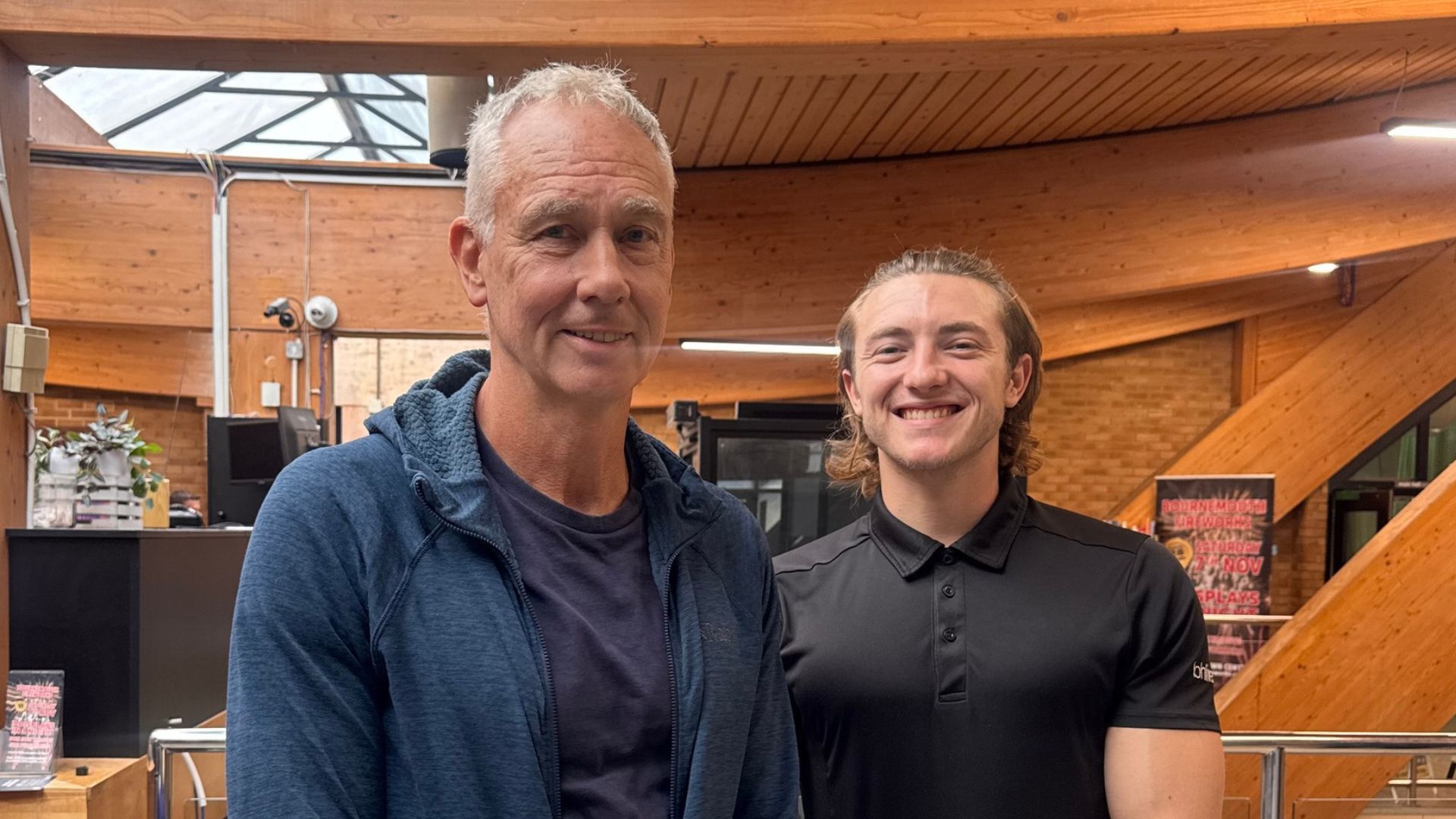
L-R - Pete Tonkin and Tom Guest
Tom said: "It was clear from first laying eyes on Pete that it was a cardiac arrest and was therefore vital to get directly onto chest compressions. Nothing can prepare you for actually dealing with that situation but I just followed through with my training."
Pete, who has since fully recovered, said he was jogging on a machine on 19 February and "the next thing I know, I'm in hospital". He said the cardiac arrest came without warning, with no prior symptoms or extreme exercising.
The pair met on Thursday 15 October at a CPR public traning event hosted by UHD's Resuscitation Team at Littledown Leisure Centre in Bournemouth.
Resuscitation Officer, Adam Meehan, said: "Pete and Tom's story is a powerful example of just how important CPR training is. It's a skill that really can make all the difference, with effective CPR techniques proving to treble the chances of a person surviving an out of hospital cardiac arrest. Our message is simple - please take the time to learn CPR like Tom did. You just never know when you might need it."
Pete added: "My doctor said it was an extraordinary event, but I think the extraordinary event was how Tom acted like he did and saved my life."
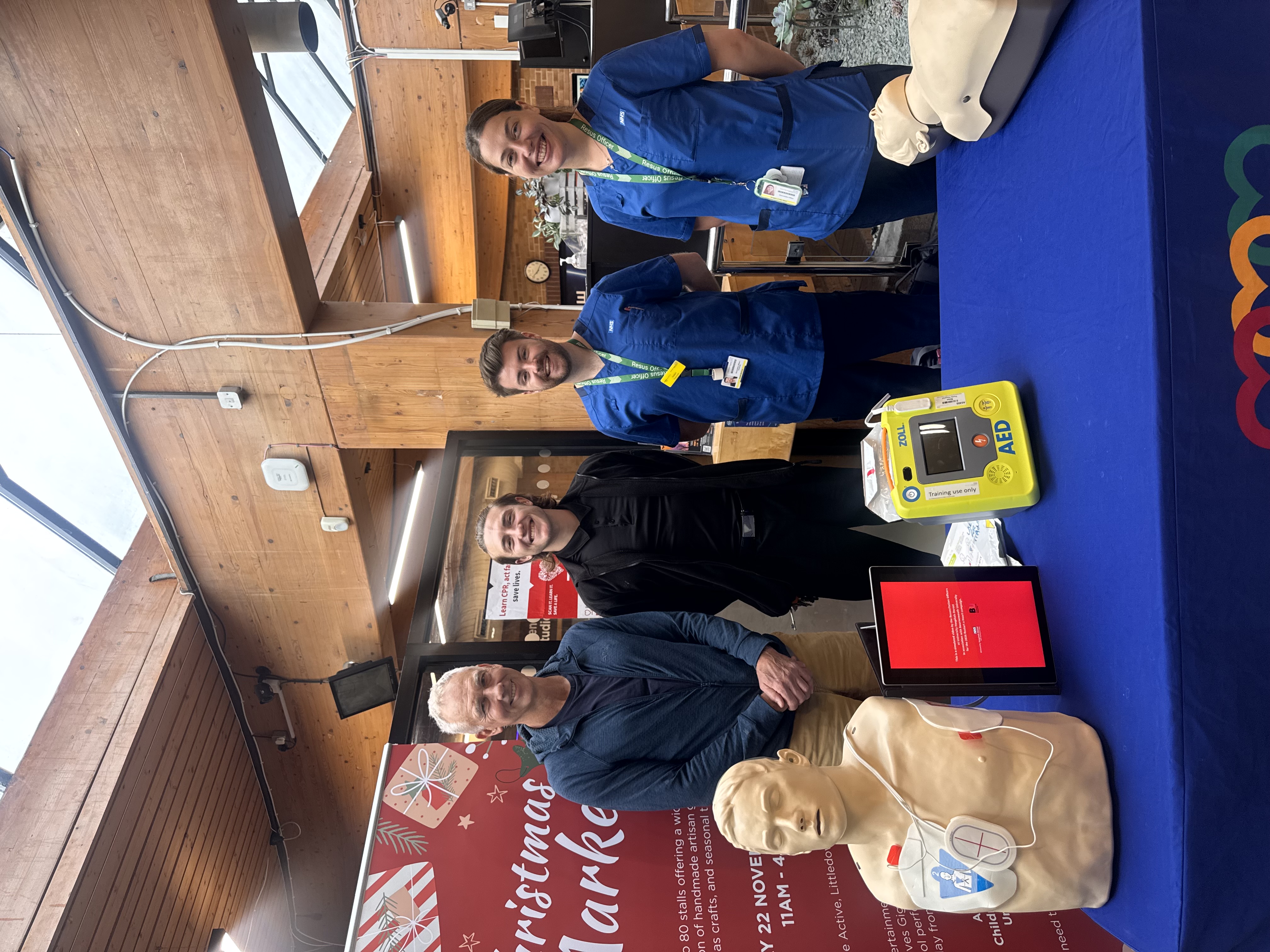
L-R - Pete, Tom, and UHD Resus Officers, Adam and Isabella
Join our children's health talk
Members of the public are invited to a free event hosted by University Hospitals Dorset (UHD) where they can learn more about common childhood illnesses, meet local children's health experts, and learn about plans to transform children's health services across Dorset.
The event will take place on Wednesday 21 October from 5pm to 6.30pm at the Share Lecture Theatre in the Fusion Building at Bournemouth University, Talbot Campus.
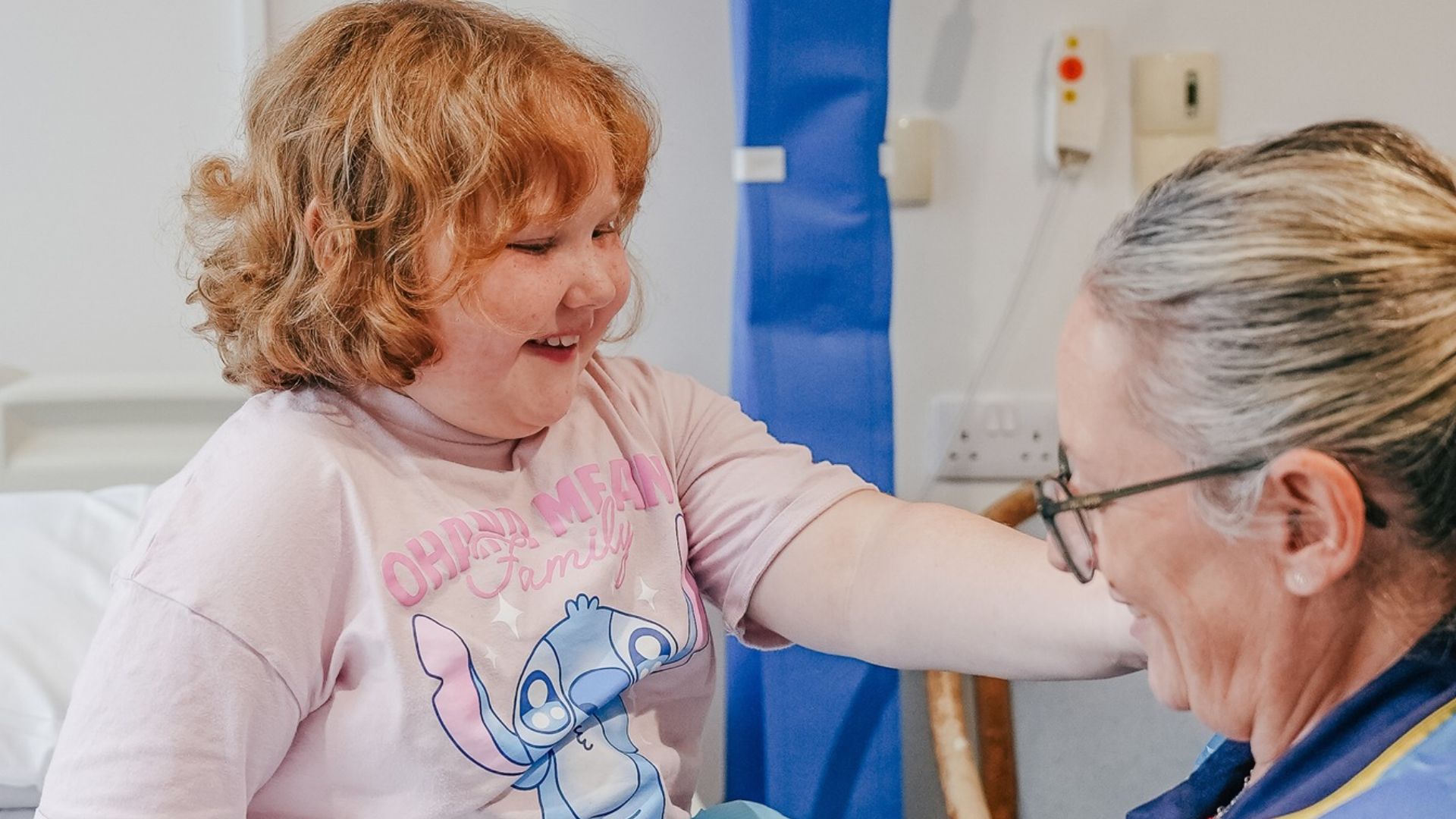
Hosted by UHD's Child Health Team, the event will offer practical advice for parents, carers and families on a range of common childhood conditions, including gastroenteritis, bronchiolitis, Respiratory Syncytial Virus (RSV) and viral induced wheeze. Attendees will gain a better understanding of how children are cared for in hospital, at home and within the community.
A key focus of the evening will be the future of children's healthcare in Dorset. Families will have the opportunity to hear about the transformation of children's health services planned for next year, designed to improve how care is delivered and ensure children and young people receive the right support, in the right place, at the right time.
The session will be led by Dr Fiona Hignett, Consultant Paediatrician, alongside members of the wider Child Health Team, giving attendees the chance to hear directly from the professionals who care for Dorset's young patients every day.
Dr Fiona Hignett said: "This event is a fantastic opportunity for parents, carers and anyone interested in children's health to meet our team, learn more about some of the illnesses we commonly see and hear about the exciting changes that are coming to children's health services in Dorset. We are transforming the way we deliver care, and we want our communities to be part of that journey."
The event is free to attend, but booking is required. For more information and to reserve your space, click on this link: https://www.ticketsource.com/university-hospitals-dorset-nhs-foundation-trust/understanding-your-childs-health/e-jpzzdv
Former colleague sentenced after serious offence
Paul Ernest Cruz, 38, a former member of staff at Royal Bournemouth Hospital was found guilty in Bournemouth Crown Court of sexual assault on a patient in our Emergency Department in July 2023.
Sarah Herbert our Chief Nursing Officer, said: “This should have never happened in our hospital. We would like to sincerely apologise to the victim and her family for this assault that took place while she was in our care. We worked closely with Dorset Police on the investigation and thank them and our colleagues who provided evidence to ensure this conviction. We have strengthened our chaperone policy to ensure appropriate protection for all our patients.”
Cruz was a band 5 nurse who worked in our Emergency Department, from September 2021 until he was suspended in 2023 following his arrest. We dismissed him following this and referred him to the Nursing and Midwifery Council.
We reviewed patient feedback during his period of employment and to date no further concerns have been raised. However, if any former patient has any concerns about the care that they received, they can leave a message, with contact details, on 0300 019 1000. Anyone with information can contact Dorset Police online at www.dorset.police.uk or by calling 101.
New endoscopy hub gets put through its paces
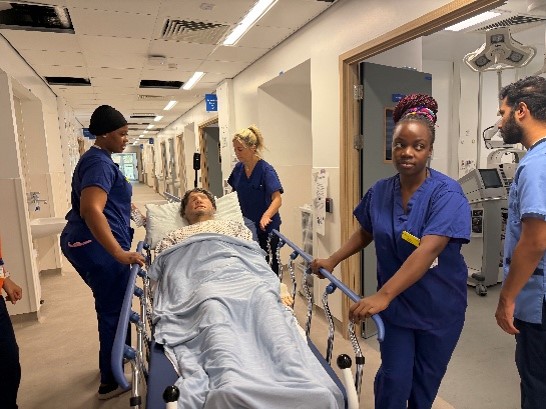
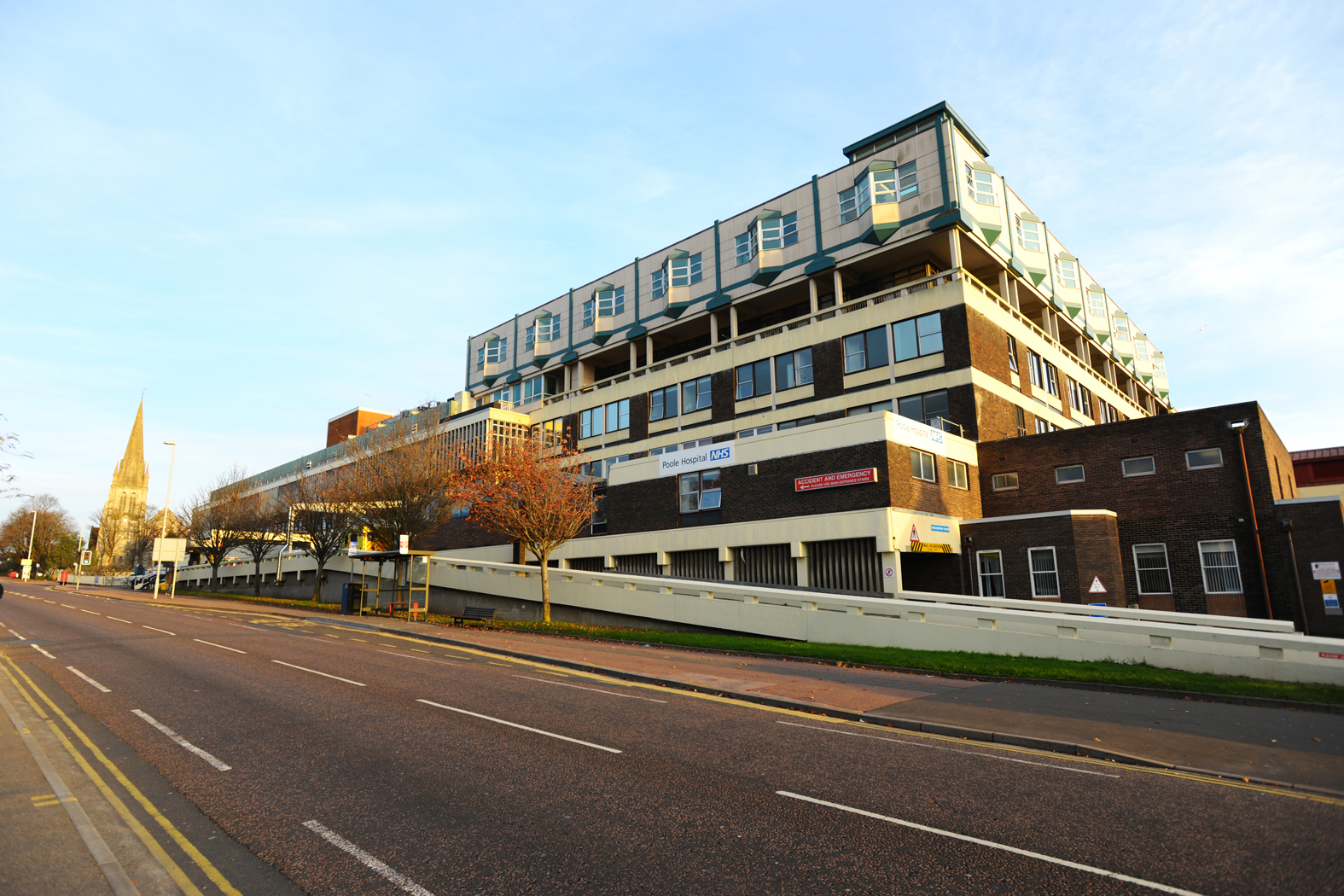
The new Dorset Endoscopy Diagnostic Hub at Poole Hospital is being tried and tested ahead of welcoming its first patients next week.
To test the facility, colleagues have been undergoing simulation training, where life like scenarios are constructed by our in-house Simulation Team, enabling them to get to know their way around the facility and make adjustments where needed.
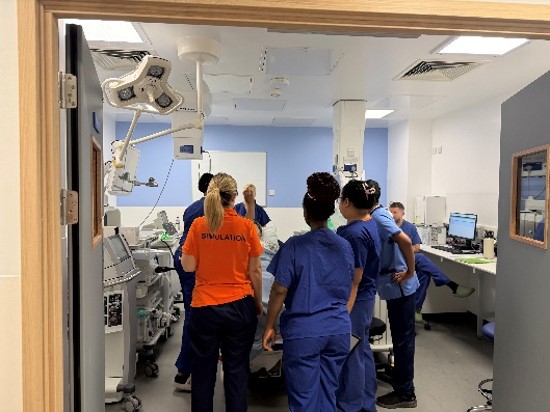
Jacqueline Annor, Simulation Practitioner said:
“The simulation was designed to see how the new endoscopy building will work in real life. By acting out real patient journeys and processes, we could spot any issues, refine processes and make sure the space works safely and smoothly for both patients and staff before it opens.”
The simulations also play an important role in familiarising colleagues with the new facilities and ensuring they are confident running their endoscopy services within the new hub. One staff member commented:
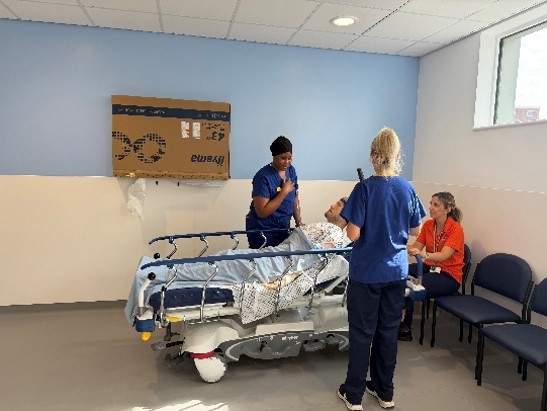
"The simulation helped to familiarise myself with the unit and the patient pathway, plus having the opportunity to address concerns honestly and the (simulation) team are very supportive. I am no longer anxious about moving to the new building and I am feeling confident"
The new endoscopy hub will be an outpatient facility treating non-acute conditions that support a patient’s planned care. It will enable us to treat more patients, reduce waiting times and enhance the overall patient experience.
Watch Dr Sally Parry, Consultant Gastroenterologist and Clinical Endoscopy Lead (Poole), and Dr Imogen Williams, Consultant Gastroenterologist and Clinical Director for Speciality Medicine as they talk about the new unit:
Stroke Team celebrates national award nomination
A patient-led approach to improving stroke services has earned the Stroke Team at University Hosptals Dorset a national award nomination.
The team has been shortlisted in the ‘Emerging Good Practice’ category at the Picker Experience Network (PEN) Awards, recognising its commitment to working in partnership with patients and the public to enhance stroke care.
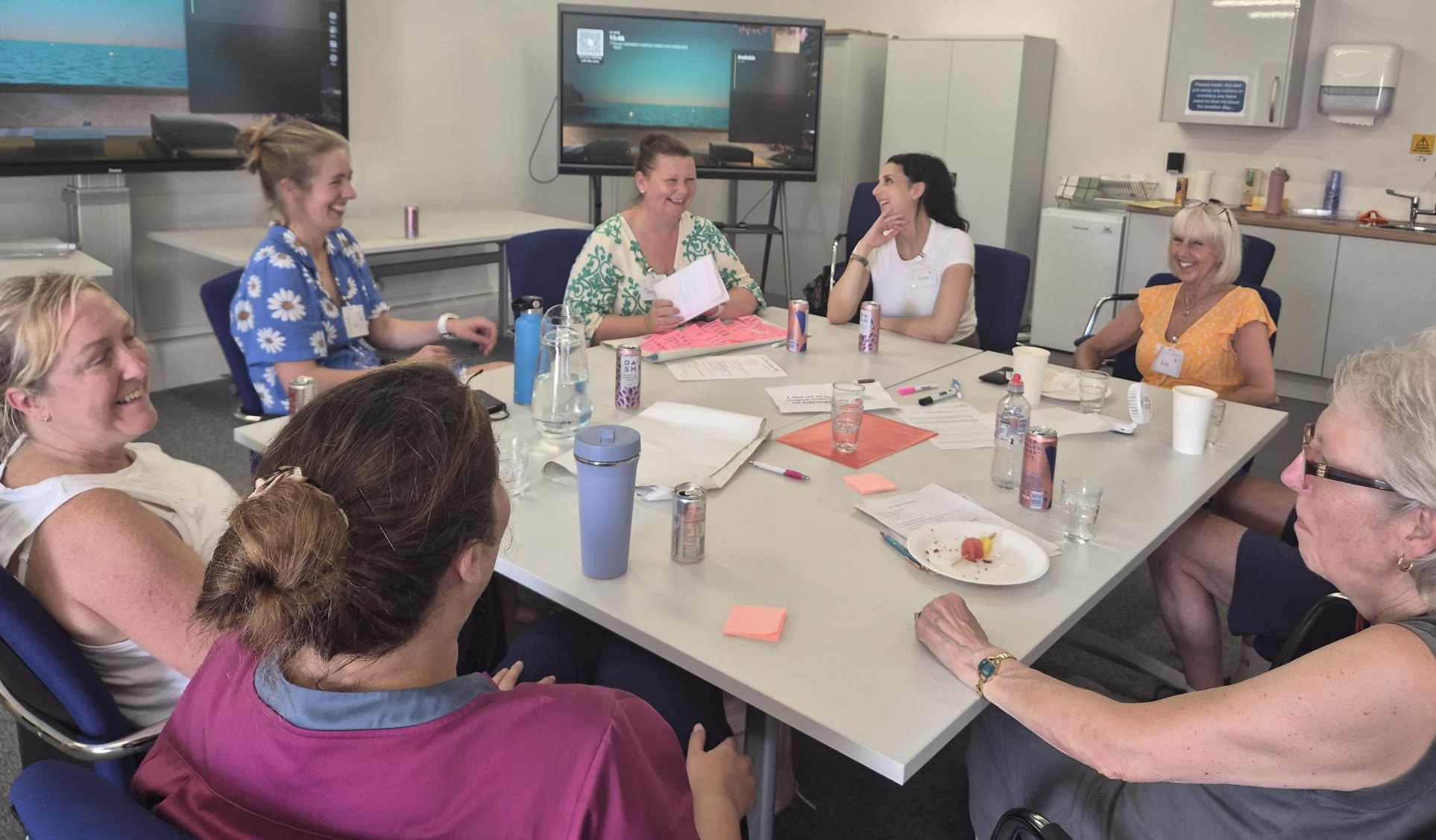
As part of the project, the team recently hosted an experience-based co-design workshop at Christchurch Hospital, bringing together more than 20 people who had received thrombolysis, alongside others with lived experience of stroke care and treatment.
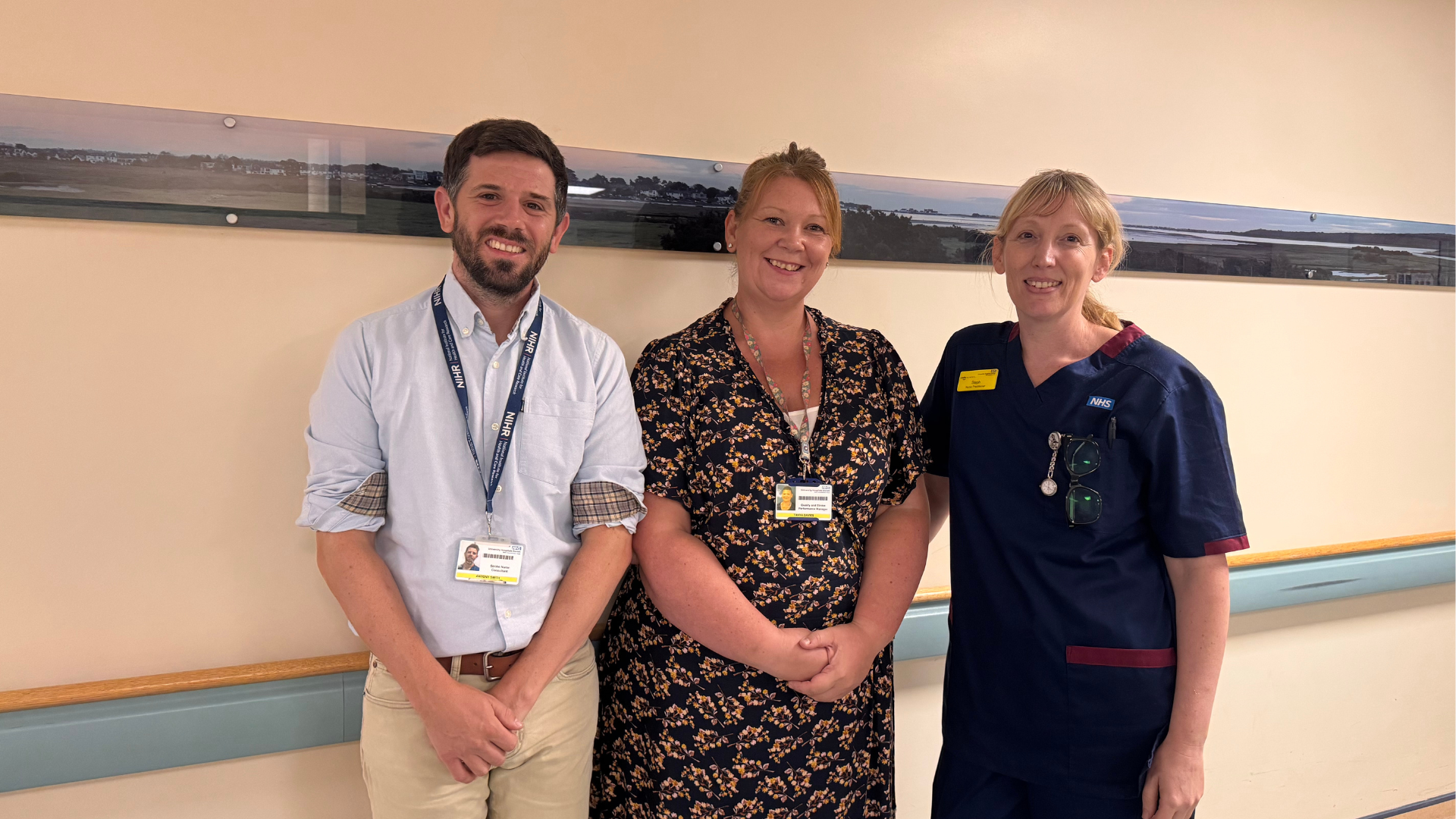
L-R: Antony Smith-Stroke Nurse Consultant | Tanya Davies-Stroke Quality and Performance Manager | Stephanie Heath-Stroke Nurse
Stephanie Heath, Stroke Nurse, said: "The workshop was a huge success. It gave us the opportunity to listen to our patients and recognise that they are the experts in their own experiences, becoming true partners in helping us design higher-quality services that deliver what really matters to patients.
"It also gave our team a chance to have meaningful conversations with people about their experiences of stroke services away from clinic and ward environments. Staff really valued these unique insights into aspects of stroke care that they may not have considered before."
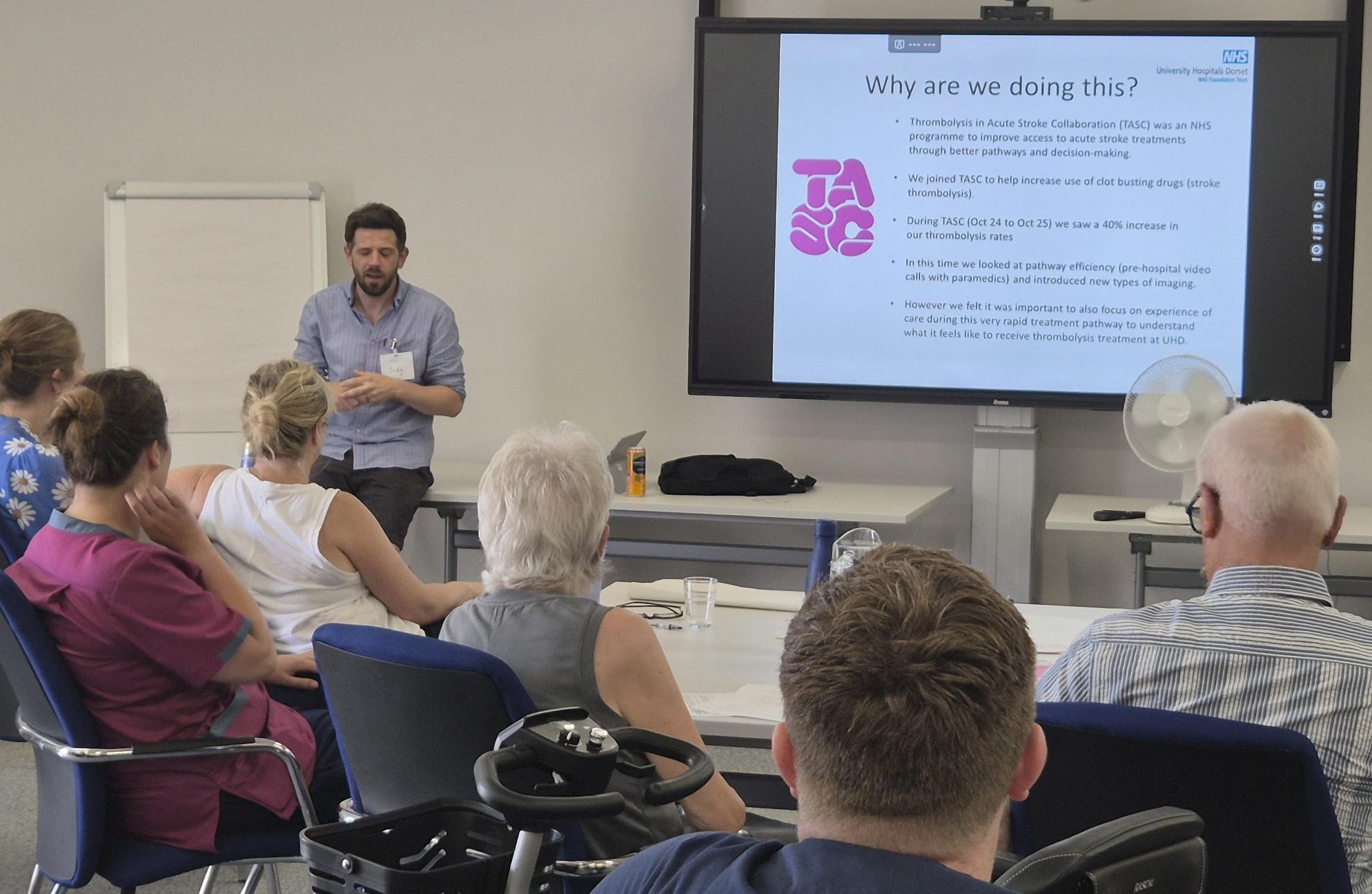
The work forms part of a national programme aimed at improving access to acute stroke treatments and enhancing patient pathways, including the use of thrombolysis, an emergency medicine that can help restore blood flow to the brain following certain types of stroke.
The team hopes the project will continue to strengthen stroke services across Dorset while ensuring patients remain at the heart of future improvements.
Antony Smith, Stroke Nurse Consultant, said: "Bringing stroke services together at the Royal Bournemouth Hospital has created a single specialist team and a more consistent pathway for patients requiring emergency stroke treatment. This has enabled us to focus quality improvement work on one service and apply learning more consistently.
"It also means that feedback from patients through initiatives such as this co-design event can be translated into improvements across the entire hyperacute stroke pathway."
Antony added: "The biggest message we want people to remember is not just recognising the symptoms of a stroke, but acting immediately. Even one FAST symptom is enough to call 999.
"When it comes to stroke, every minute matters because rapid treatment can dramatically improve outcomes and reduce disability."