
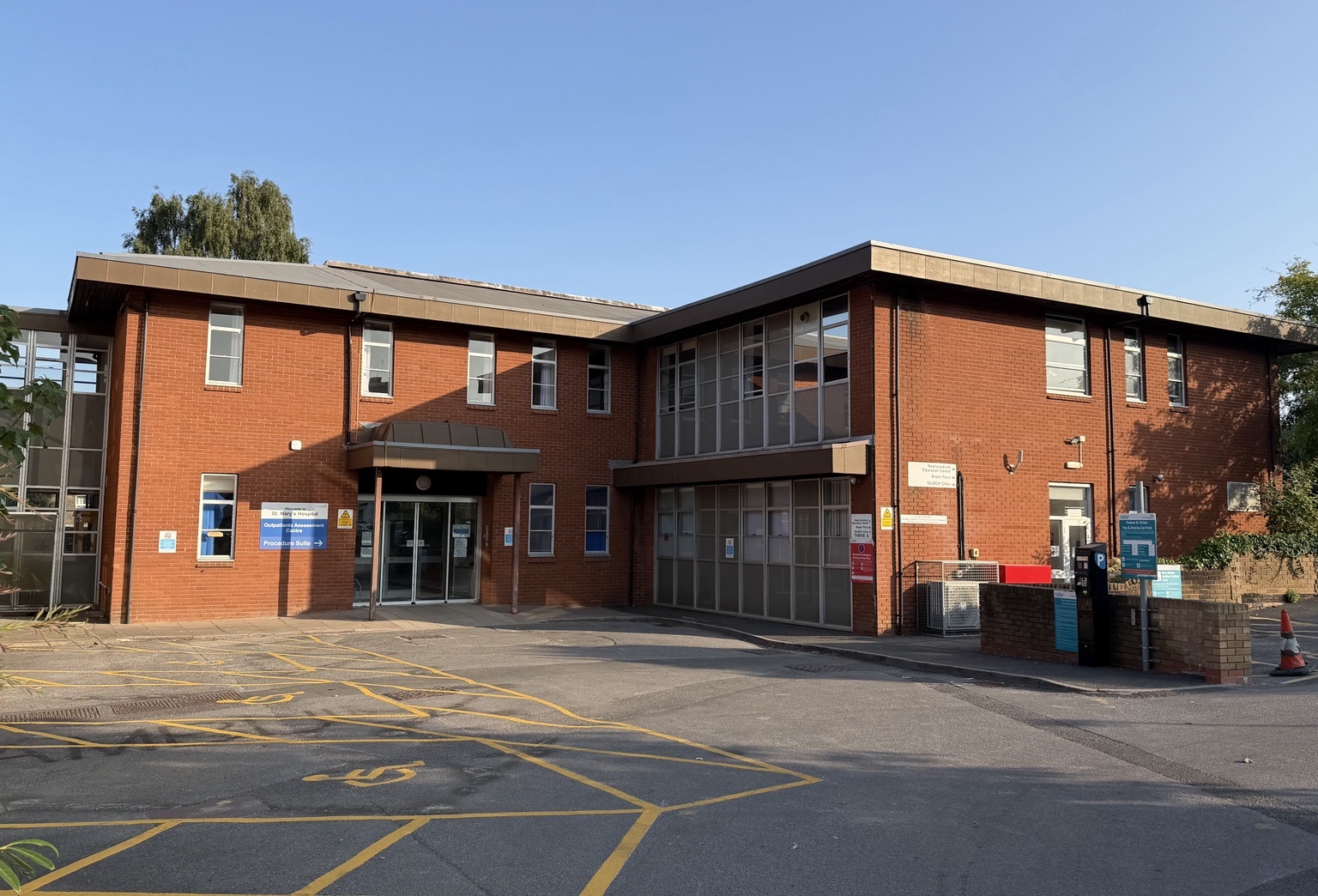

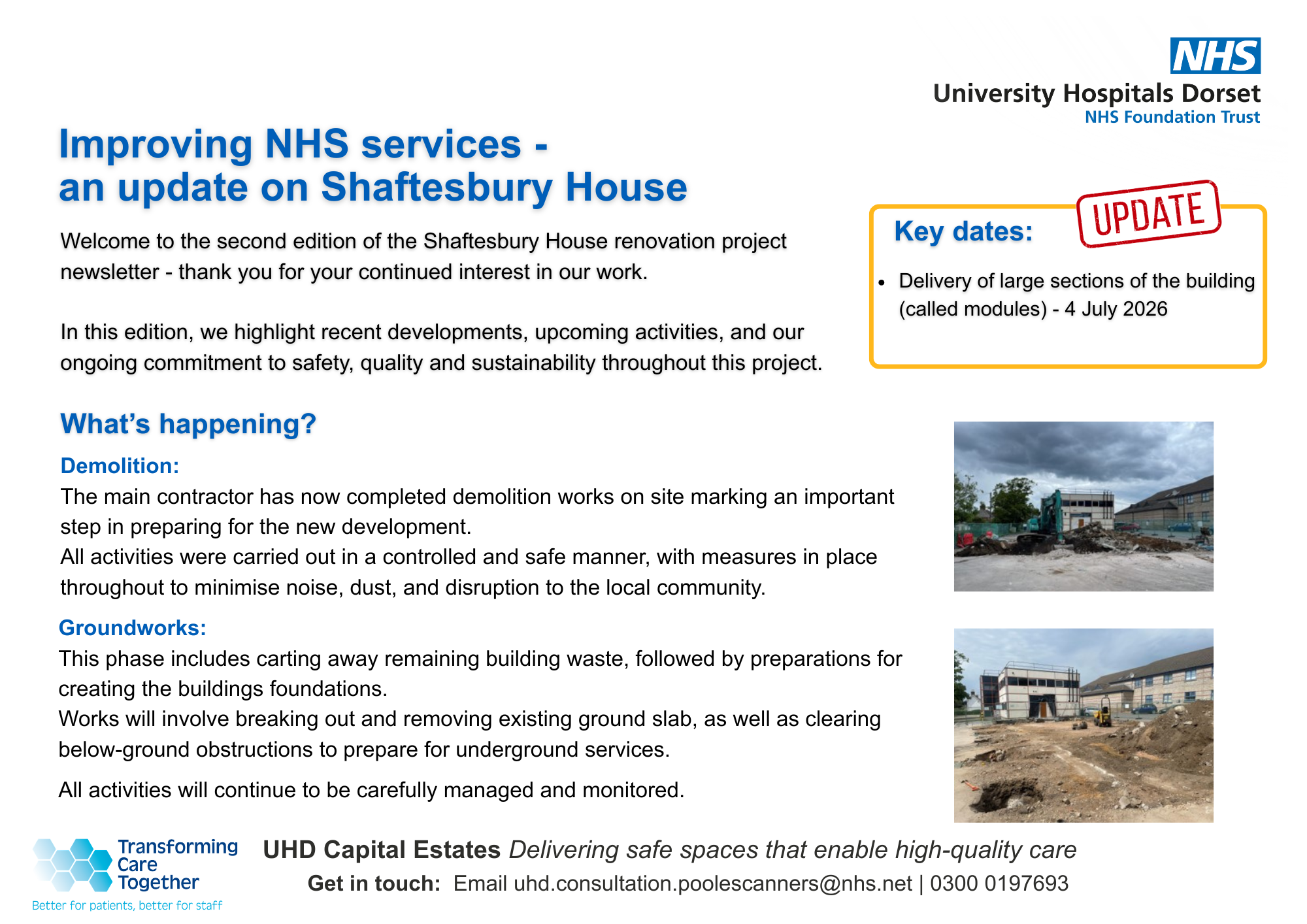
New MRI and CT scanner site - demolition of old buildings completed
The second edition of the Shaftesbury House renovation project newsletter is available now. The demolition process of the old site is now complete and the project is running to schedule.
The newsletter is can be downloaded and is also being printed out and delivered to households that are near the Shaftesbury House site.
New surgical robot arrives at Poole Hospital
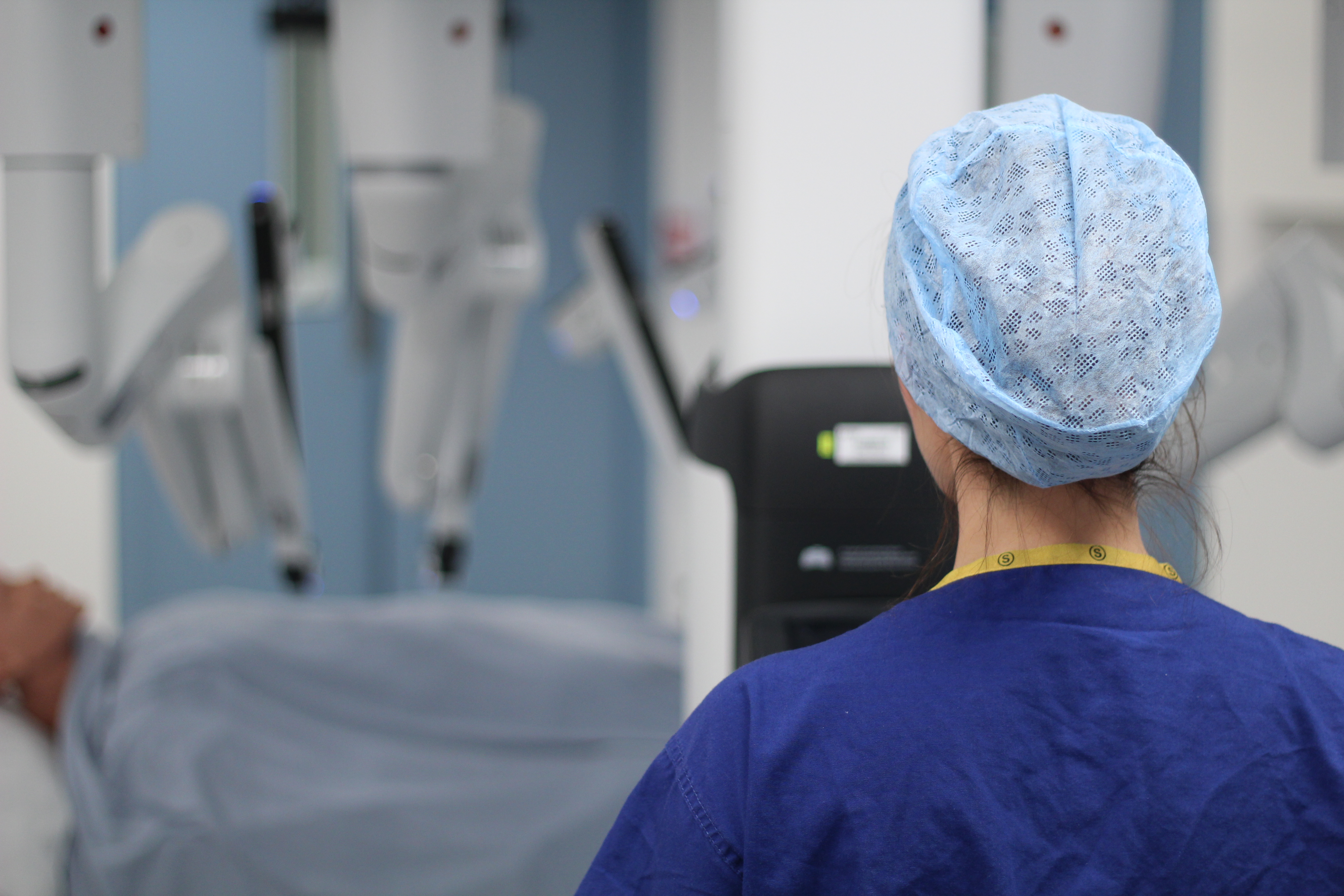
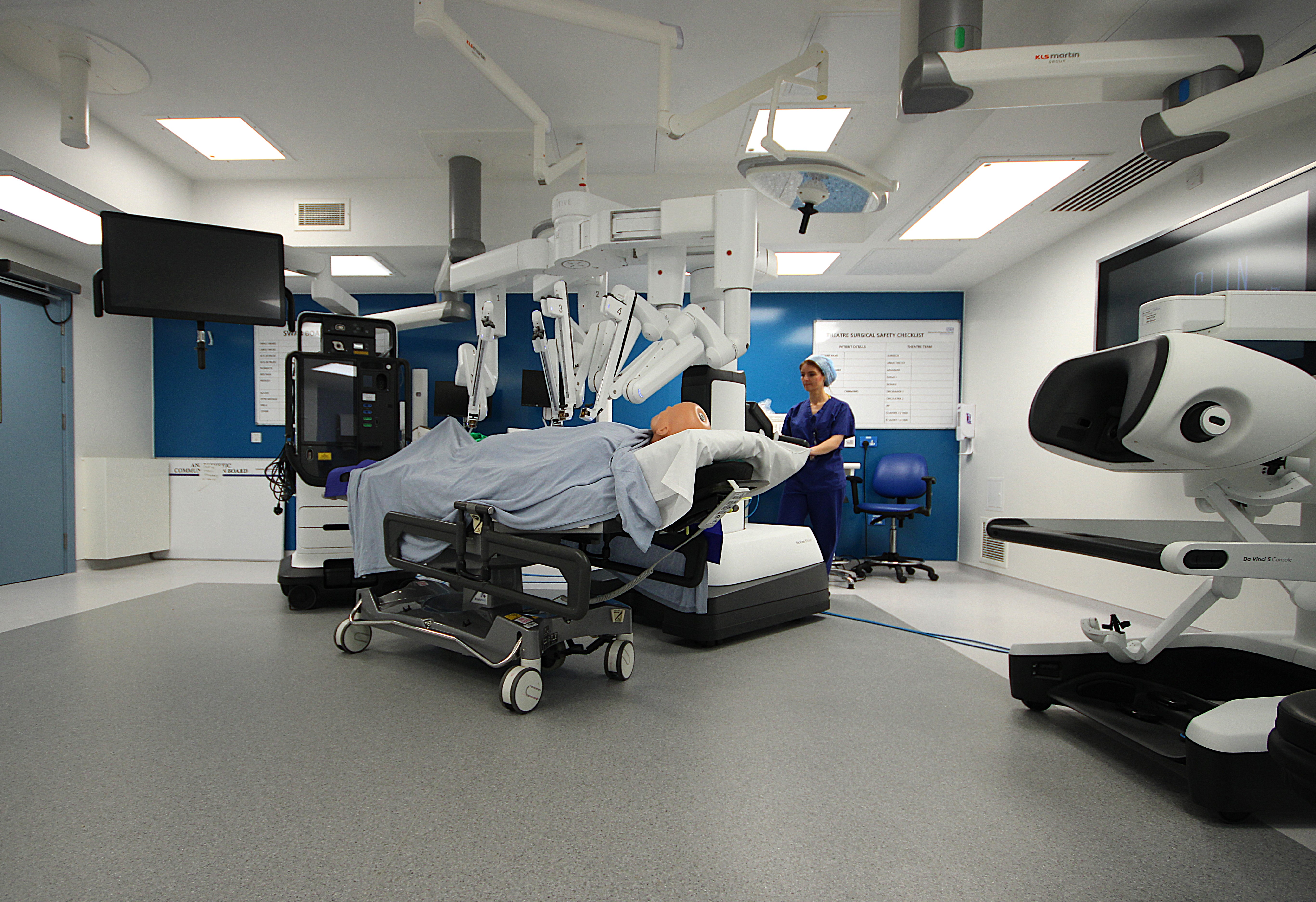
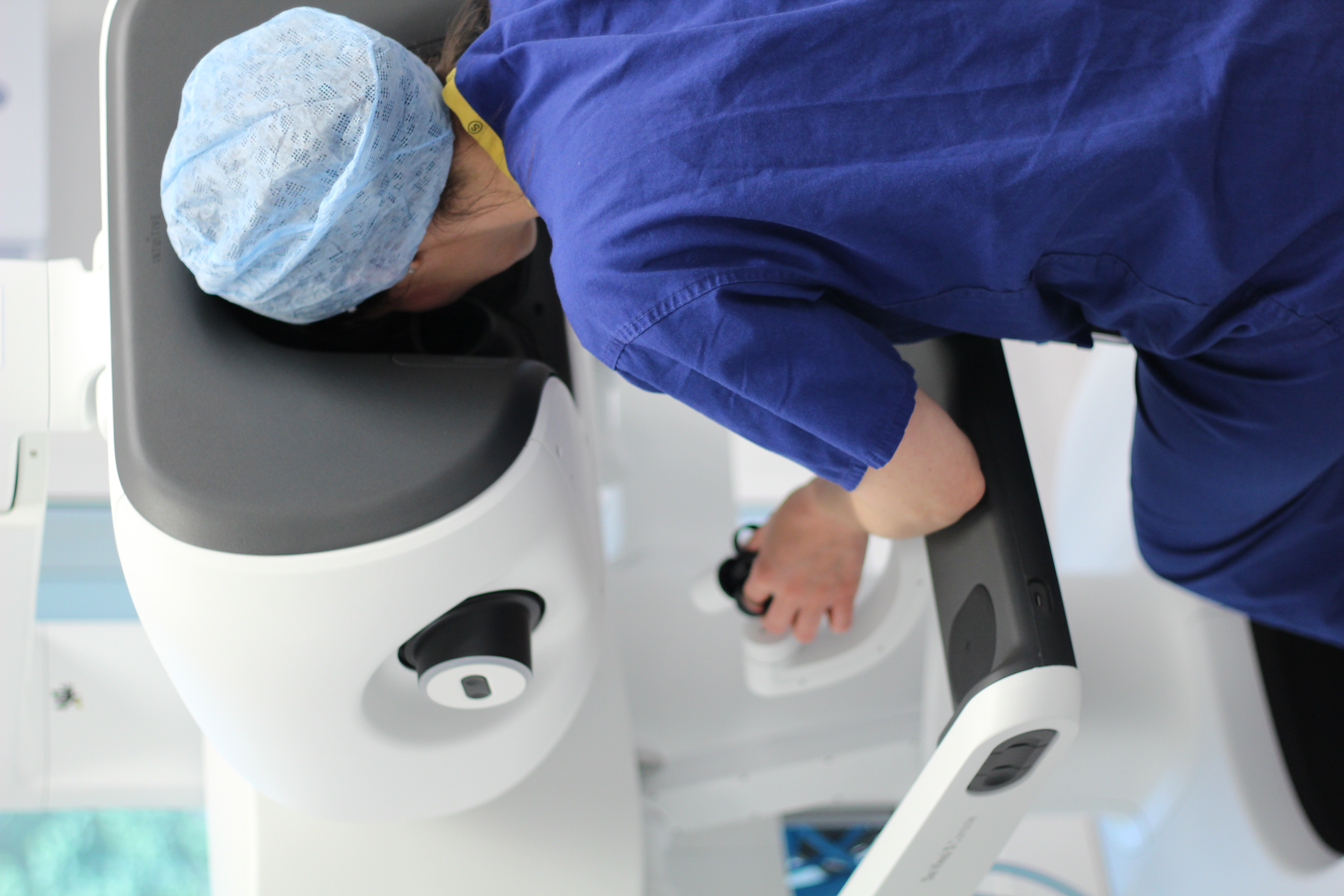
UHD has received a state-of-the-art surgical robot at Poole Hospital - the Da Vinci 5 (DV5), becoming the first Trust in the South West to have access to this cutting-edge technology.
The DV5 is one of the most advanced surgical robots available in the world, introducing new Force Feedback technology – the first of its kind. It also features more than 150 design innovations and 10,000x the computing power of the previous model.
UHD now has three surgical robots in total, with two at Poole Hospital and one at RBH.
This is a significant milestone in the advancement of the robotics programme at UHD, which was made possible by securing national funding, as well as generous support from our UHD Charity team.
Benefits of robotic surgery
An additional 300 patients per year will now be able to benefit from robotic surgery. Approximately 70% of our robotic activity will be cancer patients.
Some of the benefits of robotic surgery include:
• Reduced surgery times, therefore reduced waiting times
• Improved recovery times, therefore reduced length of stay
• Improved clinical outcomes for patients, reducing re-admissions
• Improved theatre utilisation through our dedicated robotic hub, with specialist robotic teams
• Improved ergonomics for surgeons, improving working conditions
• Alignment with the Government’s 10 Year Health Plan and national guidance for best practice
Dr James Manners, Consultant Urological Surgeon at University Hospitals Dorset, said: “I am delighted that we have managed to bring the very latest innovations in robotic surgery to University Hospitals Dorset in the form of the DV5 robot.
“The technology in this system is quite staggering. For the first time it will allow us to feel the tension that is being placed in body tissues as we operate on them. This is likely to reduce strain on body tissues and allow patients to recover faster, with less discomfort. In addition, it will allow some of the most complex surgeries, that previously had to be performed using an open surgical approach, to be performed using minimally invasive surgery. This will allow patients to return to normal function faster.
Finally, the new system will allow us to keep and attract the very best surgeons to our hospitals and will allow us to provide well for the surgeons of tomorrow.”
David Kenward, Deputy General Manager – Theatres, UHD, said: “The arrival of the da Vinci 5 marks more than a technological milestone for UHD - it represents our commitment to safer surgery, greater precision, and better outcomes for every patient we serve.
The DV5 will transform the standard of care that we are able to provide at UHD. With faster recovery times and reduced length of stay post-op, we will be able to decrease waiting times and improve patient outcomes.”
Next steps:
Following installation and staff training, the team hopes to start using the new robot by the end of June 2026.
You can find out more about the robot here: Meet the da Vinci 5 robotic surgical system | Intuitive
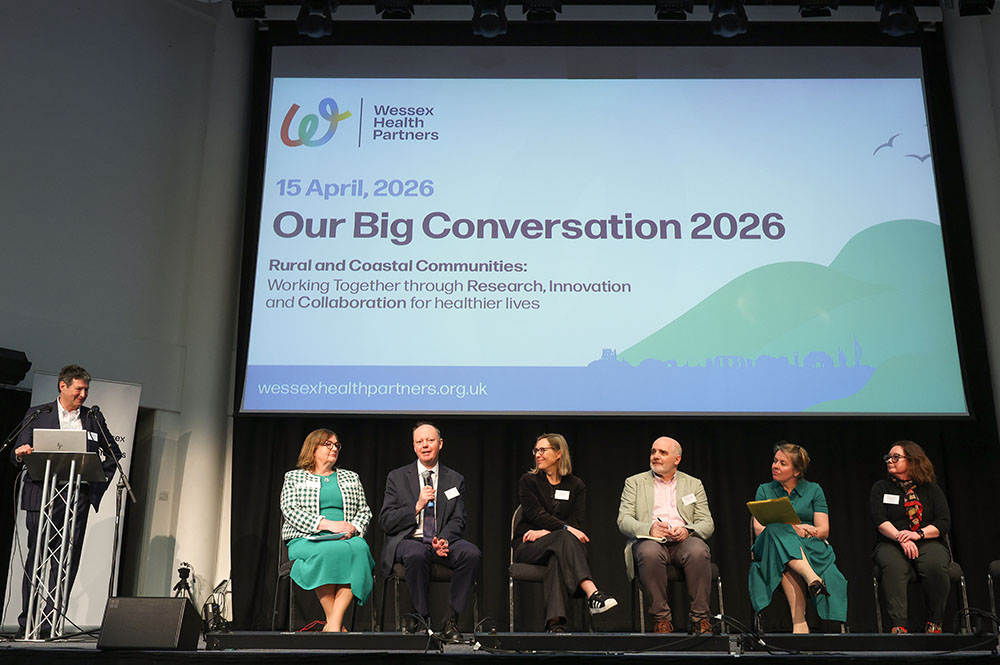
Our Big Conversation 2026 - turning insight into action for rural and coastal communities
More than 200 delegates from across the region, including University Hospitals Dorset, came together for Wessex Health Partners' biggest and best yet “Big Conversation.”
The event convened partners from across the region to explore how research and innovation can play a stronger role in addressing health inequalities and improving access, outcomes and opportunities for people living and working in deprived rural and coastal areas.
National context, regional action
The keynote address from Professor Sir Chris Whitty, Chief Medical Officer for England, set out the national picture of rural and coastal health. He highlighted how data sets are not granular enough, which blurs pockets of deprivation into invisibility.
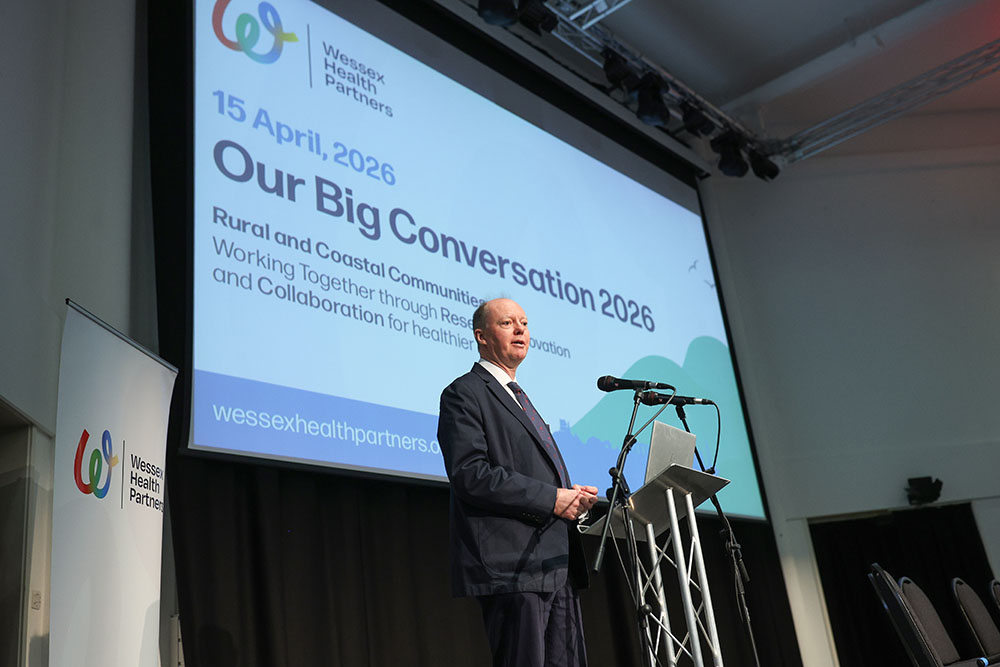
Reflecting on the event Professor Whitty said, “Meaningfully addressing the health challenges in rural and coastal areas will require close collaboration with partners across the health system. The Wessex Health Partnership is a great example of this approach, with local partnerships driving health improvements for Wessex communities.”
Crucially, his keynote framed rural and coastal communities as testbeds for innovation — from new models of community‑based care and digital inclusion, to workforce approaches and prevention‑focused interventions able to inform national policy and practice.
From insight to collaboration
Across plenary discussions, panels and parallel sessions, delegates explored how we can work collectively to move from insight to impact. Sessions focused on neighbourhood health, community‑led research, NIHR strategy, and the practical levers needed to translate evidence into adoption.
Exhibitor stands and networking sessions further showcased the breadth of research and innovation already underway across Wessex, helping to connect people, programmes and infrastructure.
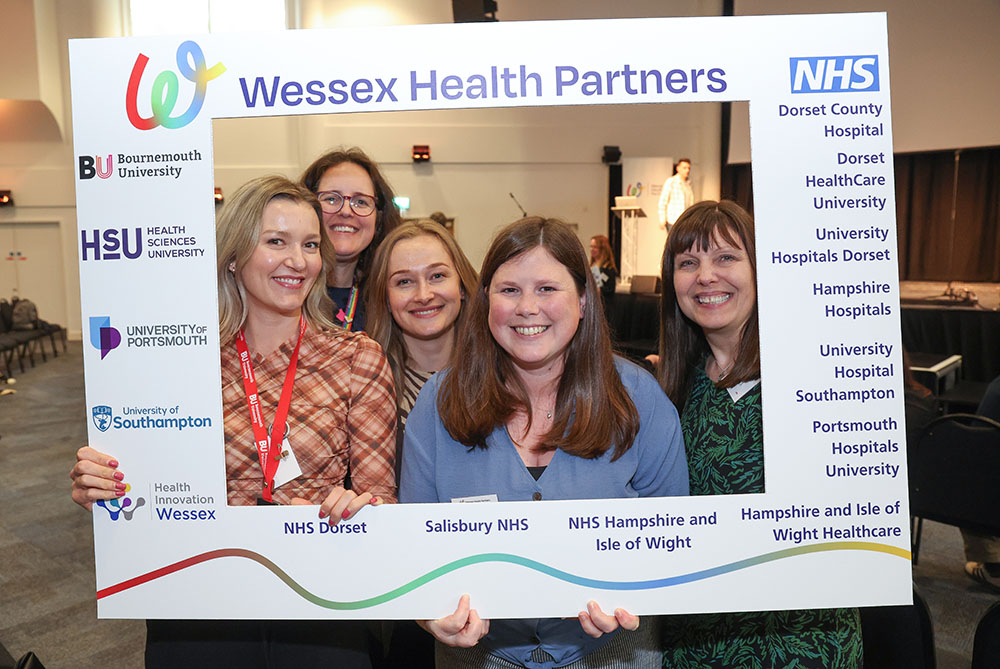
Feedback so far is highlighting the value of bringing diverse voices into the same big conversation — researchers alongside clinicians, local authorities, voluntary and community organisations. Many feel the event created space to start new conversations, partnerships and ideas rooted in real communities and lived experience.
Reflections from Wessex Health Partners
“Our Big Conversation is about creating the conditions for real change,” said Christine McGrath, Managing Director of Wessex Health Partners. “This year’s focus on rural and coastal communities sharpened our collective understanding of where the challenges lie — and, importantly, how research and innovation can make a tangible difference when we work together across boundaries.” Professor William Rosenberg, Chair of Wessex Health Partners, added: “What stood out was the energy in the room and the appetite to move from discussion to delivery. By connecting national insight with regional expertise and community voices, we are better placed to develop solutions that improve health and reduce inequalities across Wessex’s rural and coastal communities, and beyond.”
Continuing the conversation
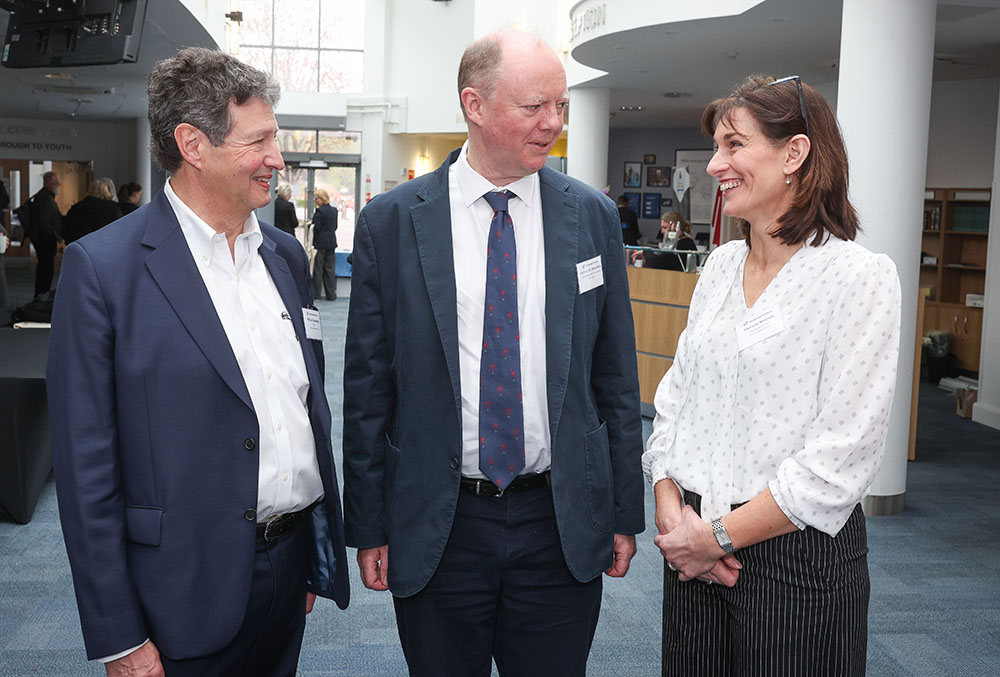
Our Big Conversation 2026 reaffirmed the power of partnership and dialogue in tackling complex health challenges. The insights, connections and commitments generated on the day will now inform ongoing work across Wessex Health Partners’ networks and collaborations.
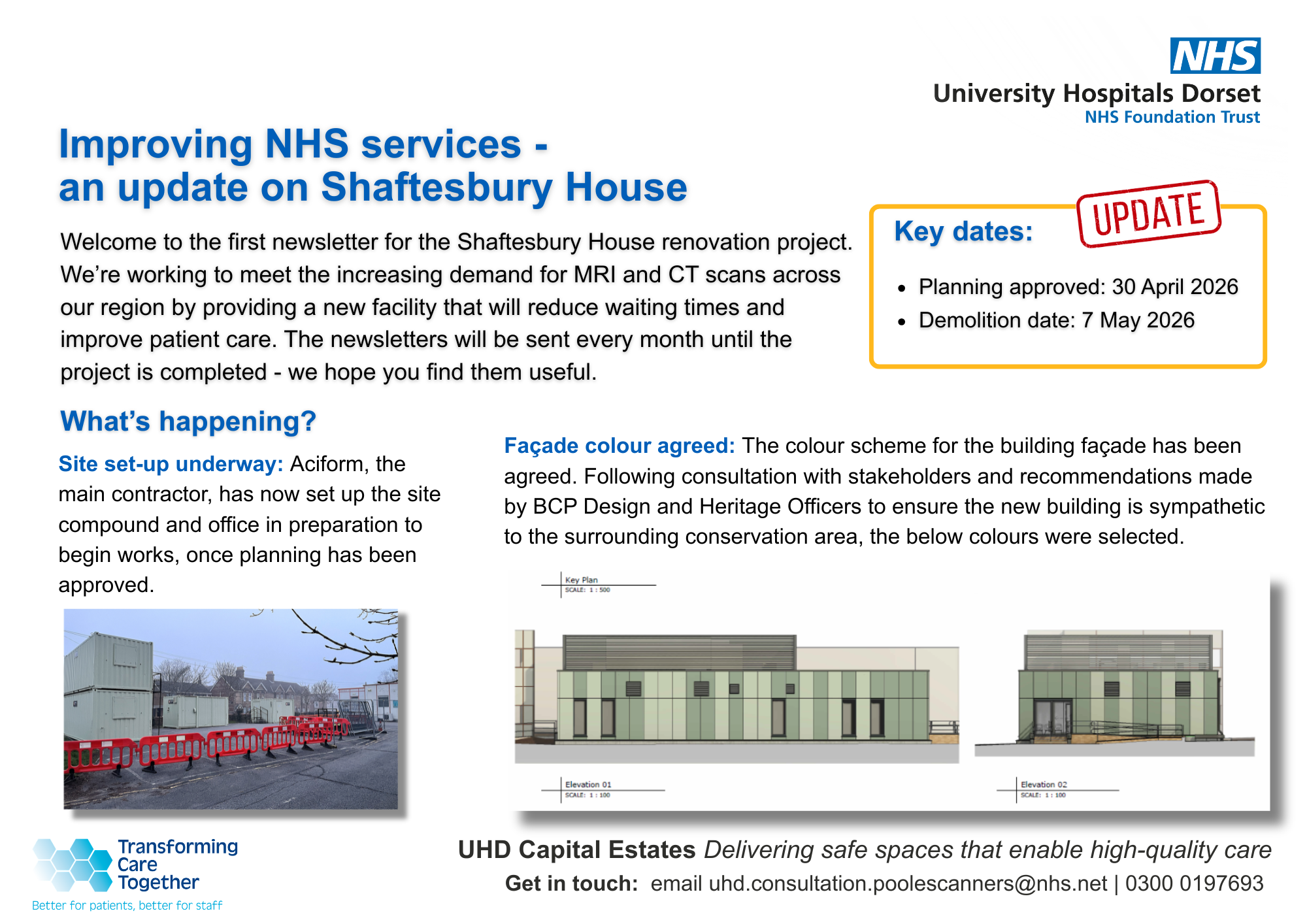
Work starts on new MRI and CT scanning facility at Shaftesbury House
The planning application for the new MRI and CT scanning facility, which will replace the Shaftesbury House building on Shaftesbury Road, close to Poole Hospital, was approved by BCP local planning authority on 30 April 2026.
The modern, fit-for-purpose, scanning facility will enable more patients to be seen sooner, helping reduce waiting times for scans. Demolition of the old site started on 7 May, and local residents are being kept up to date via monthly newsletters.
Bird flu vaccine trial launches to prepare for potential pandemic
Researchers have delivered the UK’s first dose in a new trial using an investigational mRNA vaccine to protect people against potential influenza pandemics such as avian flu (also known as ‘bird flu’).
The research will assess the safety and immune response of an investigational mRNA-based A(H5) pandemic influenza vaccine candidate, mRNA-1018, commonly circulating in birds, with pandemic potential.
The study is supported by NIHR and sponsored by Moderna. It is part of its UK government strategic partnership, managed by the UK Health Security Agency (UKHSA).
The study is also supported by Moderna's collaboration with the Coalition for Epidemic Preparedness Innovations (CEPI).
This large-scale, phase 3 trial will involve around 4,000 adult volunteers aged 18 and over in the UK and USA. 3,000 patients (75%) recruited will be in the UK.
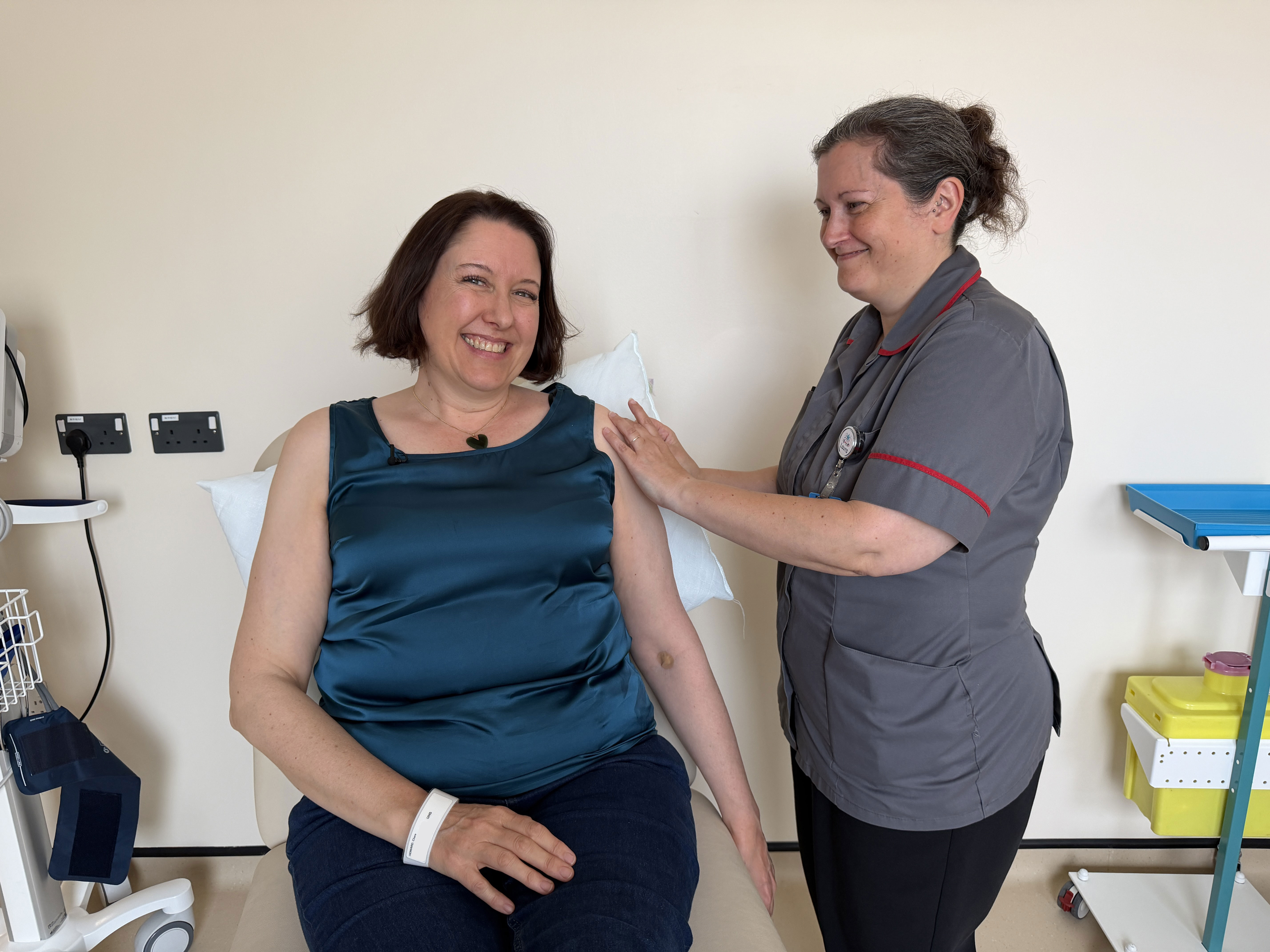
L-R: Bird flu vaccine trial participant, Clare, from Hampshire and Laura Presland, Senior Research Sister, at Southampton Research Hub
Bird flu is currently transmitted between affected birds and various mammals. Whilst the virus does not easily spread to humans, and transmission between people is very rare, there is a risk that the virus could adapt. This could make it more transmissible to or between humans.
Since 2024, there have been 116 confirmed human cases across the world. Almost all are linked to close contact with infected animals.
This study aims to provide crucial evidence on whether the investigational vaccine can generate strong immune responses to protect against currently circulating and emerging strains of H5N1. This will help the UK prepare for future pandemics and apply system-wide learnings from COVID-19.
There will be 26 sites across the UK administering the vaccine. In line with the government's hospital-to-community shift, the study is being delivered at various community clinics across England and Scotland.
For more information on this new A(H5N1) vaccine trial, visit the NIHR’s Be Part of Research service.
This trial forms part of a wider response to tackling bird flu. Vaccine trials have already started to help protect poultry in the UK, following the recent outbreaks.
Dr Rebecca Clark, the trial’s National Co-ordinating Investigator based at Layton Medical Centre, Blackpool said:
"We know that the A(H5N1) strain is evolving and spreading across animal species, and though it does not yet move easily between humans, we have to treat human-to-human transmission as a real possibility. This trial is our proactive attempt to shield against that possibility, and any future pandemic that could emerge from it.
"With recruitment sites across the country, we have shifted from traditional hospital settings into the heart of our communities, helping ensure the research can be carried out across a range of locations and populations.
“This work is an important part of strengthening our understanding of how we can respond to emerging public health threats and improve pandemic preparedness for the future.”
Professor Lucy Chappell, Chief Scientific Adviser at the Department of Health and Social Care (DHSC) and Chief Executive Officer of the NIHR said:
"This important trial is a testament to the power of the UK’s strategic partnership with Moderna. By combining world-leading technology with the UK’s unparalleled research infrastructure, we are bolstering our pandemic resilience.
"Central to this effort is the NIHR's Be Part of Research registry, which offers people a quick and easy way of taking part in some of the UK's most exciting research. With over 700,000 people signed up so far, it is a key pillar of the UK's research landscape."
"This trial proves that when the public, the government, and industry collaborate through the NIHR, we can accelerate the journey from laboratory to clinic - protecting public health both in the UK and across the world."
Darius Hughes, UK General Manager at Moderna, said:
“This study is an important example of how Moderna’s strategic partnership with the UK government can support pandemic preparedness in practice. By advancing research on an investigational mRNA vaccine against pandemic influenza and supporting rapid clinical trial delivery in the UK, we are helping build the evidence, experience and readiness that can inform future responses to emerging public health threats.”
Health Innovation and Safety Minister, Dr Zubir Ahmed, said:
“This trial is a powerful example of UK science and the NHS working at their best - and it shows just how far we've come. Bird flu is a threat we continue to take seriously, and this mRNA vaccine trial puts us ahead of the curve.
“Just last week, we announced that average clinical trial set-up times have fallen from 169 days to 122 days — and today's news shows exactly what that progress means in practice. The first trial participant was enrolled in less than half the time of our 150-day target. That is not just a statistic; it is faster access to potentially life-saving vaccines for people across the country.
“This is proactive, science‑led pandemic preparedness in action - building the capability now so we have the best possible chance of protecting people quickly if the virus does begin to spread between humans.”
If you are interested in taking part in the trial at the Royal Bournemouth Hospital This email address is being protected from spambots. You need JavaScript enabled to view it.
Vaccine Innovation
mRNA forms part of every human cell. It is the way in which the instructions in our genes (DNA) are used to make certain specific proteins. When used in vaccines, mRNA delivers the instructions for replicating proteins identical to those found in a particular virus. In this case, bird flu. Once replicated, it is hoped that our immune system will recognise it as a foreign body and produce antibodies that will attack the protein if they encounter it in an actual virus.
The study is being run as part of the UK Vaccine Innovation Pathway - a UK-wide Clinical Trial Accelerator. This expedites vaccine trial set-up and delivery and takes vaccine trials closer to where people live. The first participant was enrolled into the trial in less than half the time of the government's 150 day study set-up goal.
The trial is supported by the NIHR’s Agile Research Delivery Team, who play a key role in delivering research in communities.