

New group training initiative allows quicker access to life changing technology for diabetes patients
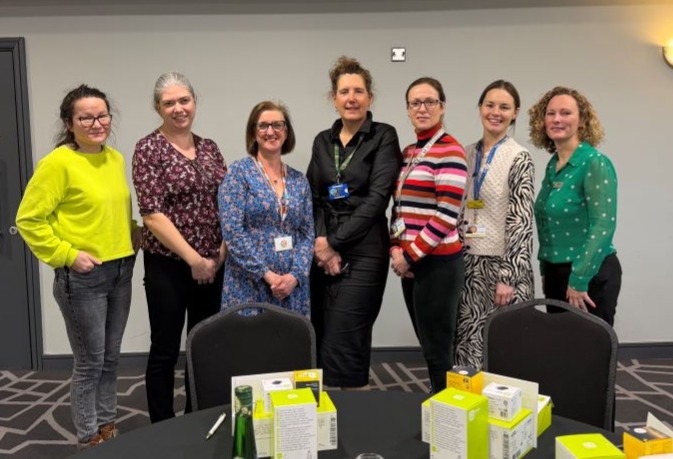 People living with type 1 diabetes are experiencing life-changing improvements sooner, thanks to the introduction of a new group-based training initiative being rolled out by the Diabetes Team (pictured right) at University Hospitals Dorset (UHD).
These group training sessions allow larger numbers of patients to be trained on the new hybrid closed loop insulin pump technology at any one time. This approach, the second of its kind in the country, not only speeds up access to the technology, but helps patients build a sense of community and shared support.
Type 1 diabetes is a complex condition that requires constant monitoring and careful management of blood glucose levels. Traditionally, this has placed a heavy physical and mental burden on patients, with many experiencing unstable glucose levels, disrupted sleep and an increased risk of long-term complications.
The new hybrid closed loop systems offer a significant step forward. The system consists of a small wearable pump connected to a cannula, which automatically monitors blood glucose levels and adjusts insulin delivery in real time. Patients can view their glucose levels via a smartphone app and securely share this data with their diabetes care team.
While patients still play a role in managing their condition, including changing insulin and cannulas every three days, the system dramatically reduces the day-to-day workload of diabetes management. Overall glucose levels become more stable, leading to improved wellbeing and quality of life.
Clinicians report that one of the most significant benefits is improved overnight glucose levels. In the past, many patients experienced frequent nighttime hypoglycaemic episodes or “hypos”, leaving them exhausted and unwell the following day. The new system anticipates these drops and adjusts insulin levels automatically, helping patients wake up feeling well and able to get on with their lives.
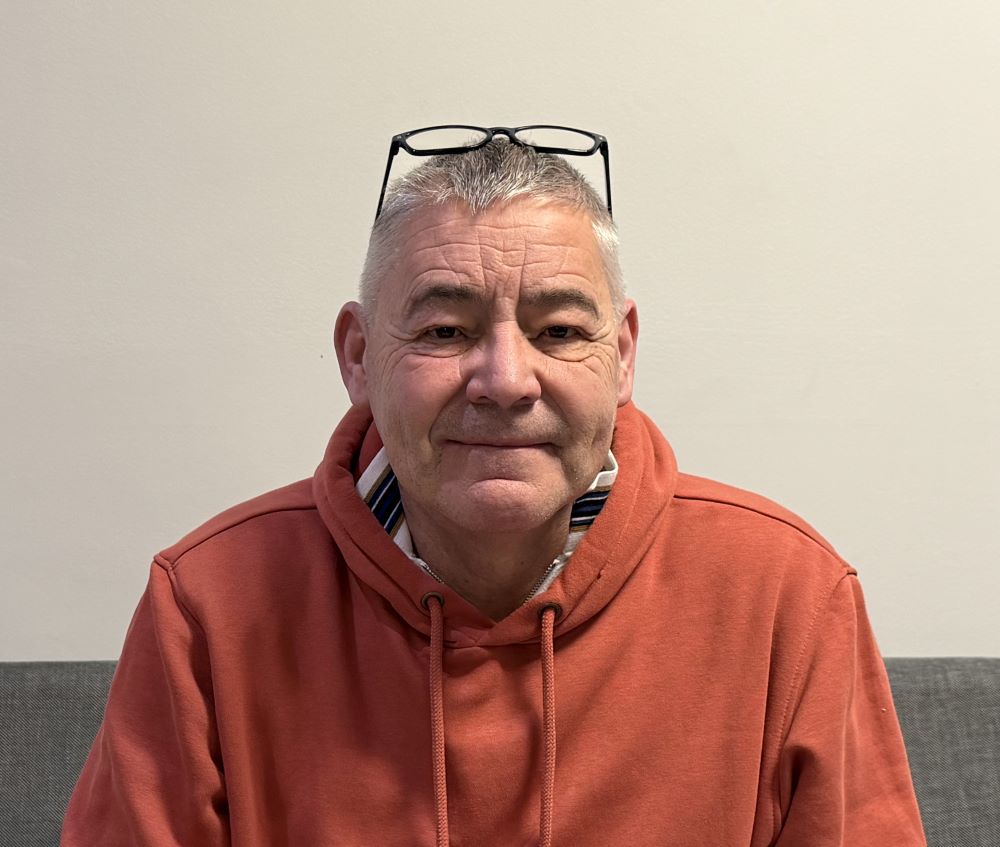 Ray Pritchett, who has lived with type 1 diabetes for 27 years, says the new technology has brought him renewed confidence and peace of mind.
Diagnosed at the age of 40, Ray experienced significant disruptions to his working and family life due to the condition.
“It’s been a real struggle,” he said. “I had to change my job and lost my HGV licence. My son was three when I was diagnosed, and instead of enjoying that time, managing my diabetes ruled our lives.”
Ray has also experienced long-term complications from repeated hypoglycaemic episodes, including nerve damage to his feet, ulcers and eye problems. Receiving the new pump has eased many of his fears.
“Getting insulin through the pump rather than injections makes me feel more at ease,” he said. “I’m no longer scared of changing my insulin levels. I used to get a lot of hypos, but this system will regulate it.”
Patients who have transitioned to the pump describe the impact as “life changing”. One patient said: “I haven’t slept in two and a half years. Within two nights of going on the new pump, I slept all night.” Another reported improved skin tone, increased energy levels and feeling like they had “got their life back”.
Healthcare teams say the technology not only improves daily life for patients but also significantly reduces the risk of long-term complications, empowering people with type 1 diabetes to live more confidently and independently.