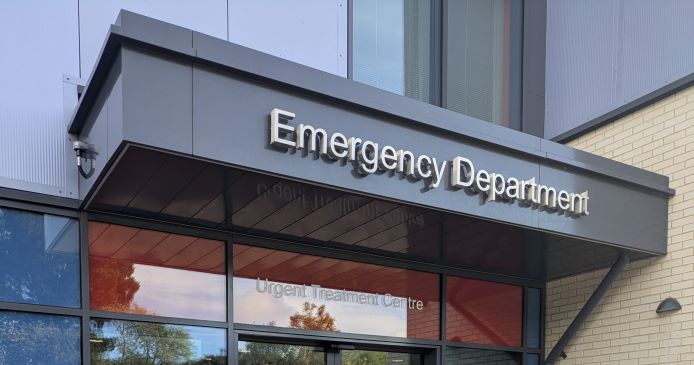
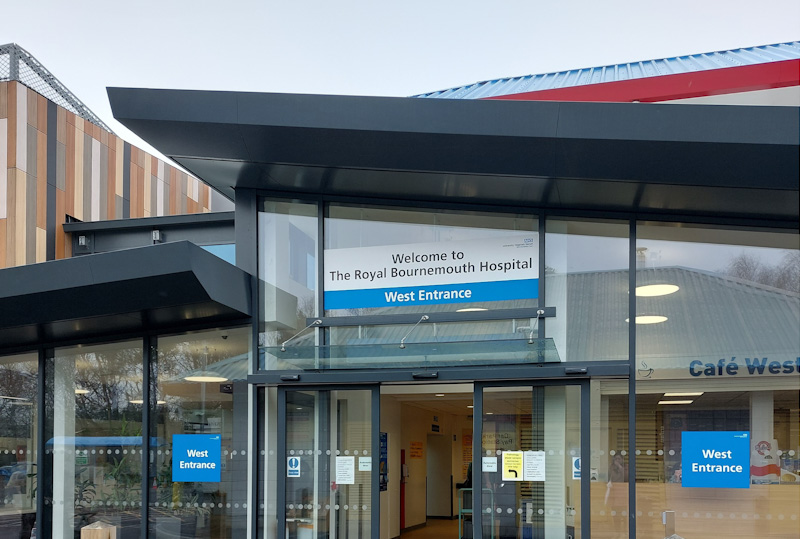

Important update for people attending our Emergency Department
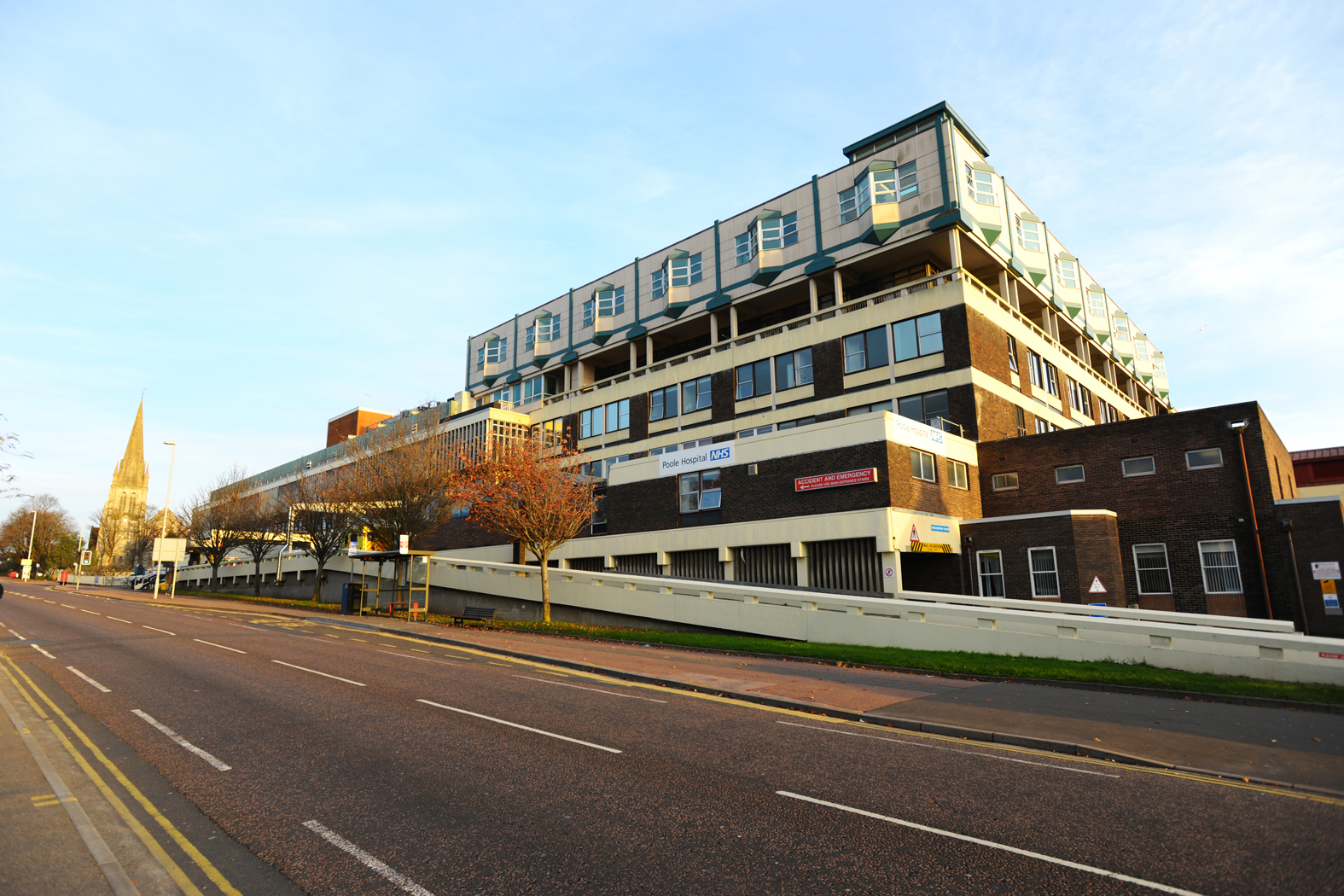
Those registered with a GP in Dorset who attend the Emergency Departments (ED) in the Royal Bournemouth Hospital or Poole Hospital may now be asked to contact their own GP surgery or directed to a local pharmacy if their condition is not serious enough to require emergency care in hospital.
This change helps to ensure patients get the right care, in the right place, at the right time.
What does this mean for patients?
If you attend our ED with a minor illness, you may be:
- advised to contact your own GP - this is usually via online GP platforms or the NHS app
- directed to a community pharmacy for expert advice and treatment
- signposted to another appropriate local health service
If you need assistance completing the online forms our teams will be able to help. Anyone who needs urgent or emergency hospital care will still be seen in ED or at the Urgent Treatment Centre (UTC) as soon as possible. Our UTC operates a booked appointment system, so if this is the best place for your care, you may be asked to return at a later time to be seen.
Why is this happening?
ED services are under extreme pressure. Many people attend with conditions that can be safely and more quickly treated by those in Primary Care, pharmacists or other community services.
By using a NHS digital triage tool, we can safely prioritise, redirect and schedule patients based on clinical need, with support from our clinical colleagues where required. This will help us ensure we:
- keep our Emergency Departments clear for people with life-threatening emergencies
- improve wait to be seen times for people with life-threatening emergencies
- help all patients get seen faster with treatment in the most appropriate setting
- improve overall patient experience and safety
This approach also helps prevent overcrowding in ED, which can impact care for the sickest patients.
What types of conditions may be redirected?
Examples include:
- minor infections or injuries that don’t need hospital treatment
- medication queries or prescription related issues
- flare-ups of stable long-term conditions
- general health concerns that can be managed by primary care colleagues
Clear safety checks are in place, and patients will immediately be sent to ED if there are any concerns.
When should you still use ED?
You should always attend ED or call 999 for emergencies such as:
- chest pain
- signs of stroke
- severe breathing difficulties
- serious injury or bleeding
- loss of consciousness
For non-urgent health issues, people are encouraged to:
- contact their GP practice
- visit a community pharmacy
- use NHS 111 for advice and guidance
Dr Peter Wilson, Chief Medical Officer, said: “This year we have seen record numbers of people attending our Emergency Departments and patients often waiting a long time to be seen. While our teams are working incredibly hard to support our patients, we need to focus on those who need urgent help the most.
“By having this additional support at the front door of the Emergency Department, we hope more people will get the care they need more quickly, allowing our teams to concentrate on providing life-saving care.”