





A practical guide to visiting Critical Care
Information for family, friends and visitors
Welcome to the Critical Care Units at University Hospitals Dorset.
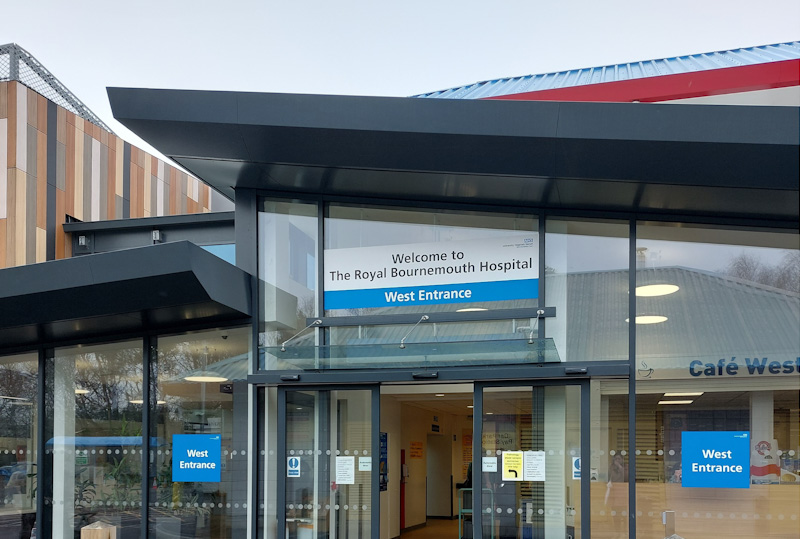
Critical Care is provided at both Bournemouth and Poole hospitals.
Contact numbers
Bournemouth Critical Care: 0300 019 7300
Poole Critical Care: 0300 019 8590
We encourage visitors to come after 2pm, as mornings are often very busy with patient care. This can sometimes lead to longer waiting times for visitors.
My relative has been admitted to Critical Care
Having a loved one in Critical Care can be upsetting and stressful. This guide explains what to expect and answers some common questions. We hope it helps you feel more informed and supported.
What do I do when I arrive?
When you arrive, press the buzzer at the entrance and tell staff:
- Who you are
- Who you are visiting
Sometimes staff may not be able to let you in straight away because they are caring for a patient or carrying out a procedure. If this happens, they will tell you when to buzz again.
When you enter the unit, please clean your hands using the hand gel by the door.
Who will look after my relative?
The medical care is directed by a Critical Care Consultant, with support from resident doctors and allied health team members.
Patients in Critical Care are cared for by experienced nurses.
There are more nurses in Critical Care than on a general ward. A nurse will usually care for one or two patients during their shift.
If you have any questions or concerns, please speak to your relative's nurse. They will be happy to help.
When can I visit?
We encourage visiting from 2pm onwards.
Sometimes we may ask visitors to leave briefly while treatment or personal care is being given.
Mornings are often busy with patient care, medical check-ups, and routine procedures. Because of this, visitors may have to wait longer than they would in the afternoon.
If you have difficulty visiting at these times, please speak to us and we will try to help.
We suggest that visits are mainly for close family members while your relative is in Critical Care.
Please note:
- Only two visitors are allowed at the bedside at one time.
- Children may visit after discussion with the nursing staff and must be supervised by an adult.
Remember to take breaks, eat, drink, and rest. Supporting someone in Critical Care can be tiring.
Why is it so noisy?
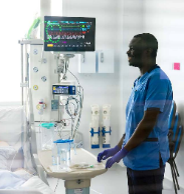
Critical Care can be busy and noisy, especially during the day.
You may hear alarms, beeps, and other sounds from medical equipment. This is normal and does not always mean that something is wrong.
What will my relative look like?
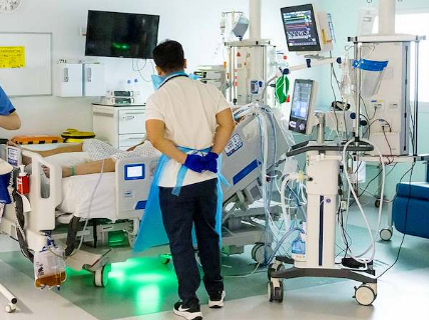
Your relative may look very different from when you last saw them.
They may be wearing a hospital gown and may be connected to several pieces of equipment. This can be surprising at first.
The nurse can explain what the equipment is for.
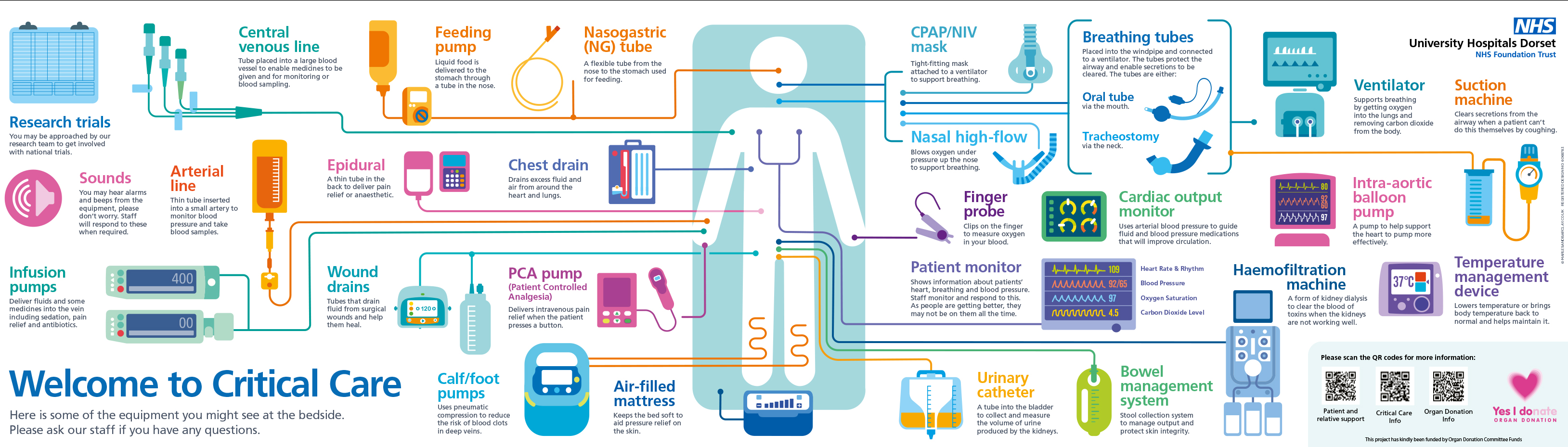
What are all the machines for?
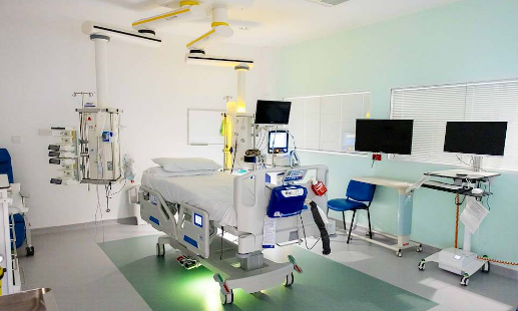
Patients in Critical Care often need special equipment to monitor their condition and support their treatment.
There may seem to be a lot of machines around the bed. As your relative gets better, much of this equipment will no longer be needed and will be removed.
Can I touch my relative?
Yes, in most cases you can.
Patients are often surrounded by tubes and wires, so please check with the nurse first.
Can I talk to my relative?
Yes.
Some patients may be unconscious or unable to respond. Even if they cannot answer, they may still be able to hear you.
Talking to your relative can be comforting. You can tell them about family, friends, and everyday events.
Can I help with their care?
Yes.
There are several ways you may be able to help, including:
- Helping with washing
- Mouth care
- Shaving
- Applying cream to hands and feet
If you would like to help, please speak to the nurse caring for your relative. They will show you what is safe to do.
Can I bring anything in?
Storage space is limited, but you may bring:
- Toiletries
- Moisturising creams
- Lotions
- Deodorant
- Perfume or aftershave your relative likes
Please do not bring valuable items such as money, jewellery, or mobile phones.
Delirium
Some patients who have been very unwell may experience delirium.
This can cause:- Confusion
- Memory problems
- Hallucinations (seeing or hearing things that are not there)
- Restlessness
- Unusual behaviour
Delirium is normally temporary.
You can help by:
- Reassuring your relative
- Talking with them
- Keeping a diary of events so they can understand what happened during their stay
If your relative is on a ventilator for more than four days, or stays in Critical Care for more than seven days, they may be offered an ICU Patient Diary. This can help fill in memory gaps and support recovery.
Can I speak to a doctor?
Yes.
The main ward round starts at 10:30am each day. During this time, doctors and nurses review each patient's condition and plan their care.
Doctors are usually available to talk with relatives in the afternoon because mornings are often busy with caring for patients.
If you would like to speak to a doctor, please ask your relative's nurse, who can arrange this.
Can I be involved in decisions about care?
Yes.
Your views are important and we will involve you in decisions whenever possible.
However, some decisions may need to be made when relatives are not present.
We are happy to explain treatments, answer questions, and support you through the decision-making process. Please ask your bedside nurse if you have any questions.
We ask that visitors and staff treat each other with respect. Good communication helps us provide safe and effective care.
Spiritual and emotional support

We understand that this can be a difficult time.
Hospital chaplains and faith leaders are available to support patients and families of all faiths and beliefs.
If you would like to speak to someone, please ask your nurse.
If you need a quiet place, chapels and prayer rooms are available. These can be found near the main hospital entrance at Bournemouth Hospital and on the first floor at Poole hospital.
Food and drinks
Looking after yourself is important. Please make sure you eat, drink, and take regular breaks.
Bournemouth Hospital
Available facilities include:
- Costa Coffee
- Atrium Café
- Café West
- Co-op store
- Vending machines
Poole Hospital
Available facilities include:
- Costa Coffee
- Dolphin Restaurant
- WRVS Coffee Shop
- Purbeck Rise Café
- WHSmith and M&S Food
Please check opening times when you visit, as these may change.
Parking
Bournemouth Hospital
Visitors can park in Car Park P3, located near the Eye Unit and Derwent Centre.
Blue Badge holders can use:
- Car Park P2 near the Diabetes and Endocrine Centre
- Car Park P1 near the Rehabilitation and Dorset Prosthetic Centre
A number plate recognition system is used in P3.
Before leaving, enter your vehicle registration number at a payment machine and pay for your parking. The machines accept cash and card payments.
Poole Hospital
A multi-storey car park is available on the main hospital site, with access from Longfleet Road.
Payment machines are located in the main entrance and accept cash and card payments. Please pay before returning to your vehicle.
Extra-wide parking spaces for wheelchair users are available on Levels C and G.
Smoke-Free Hospital
University Hospitals Dorset is a smoke-free trust. Smoking is not allowed anywhere on hospital sites.