


Rheumatology Services
Rheumatology is the medical specialty that includes mechanical and inflammatory joint conditions, back pain and connective tissue disorders.
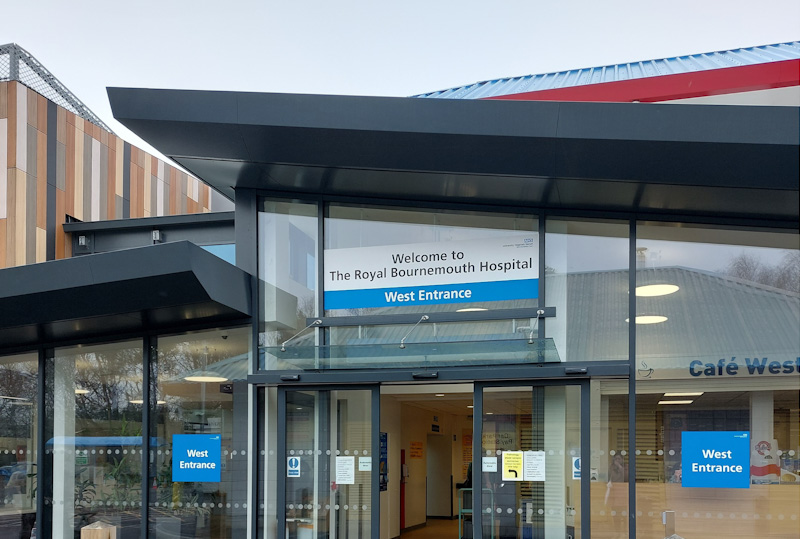
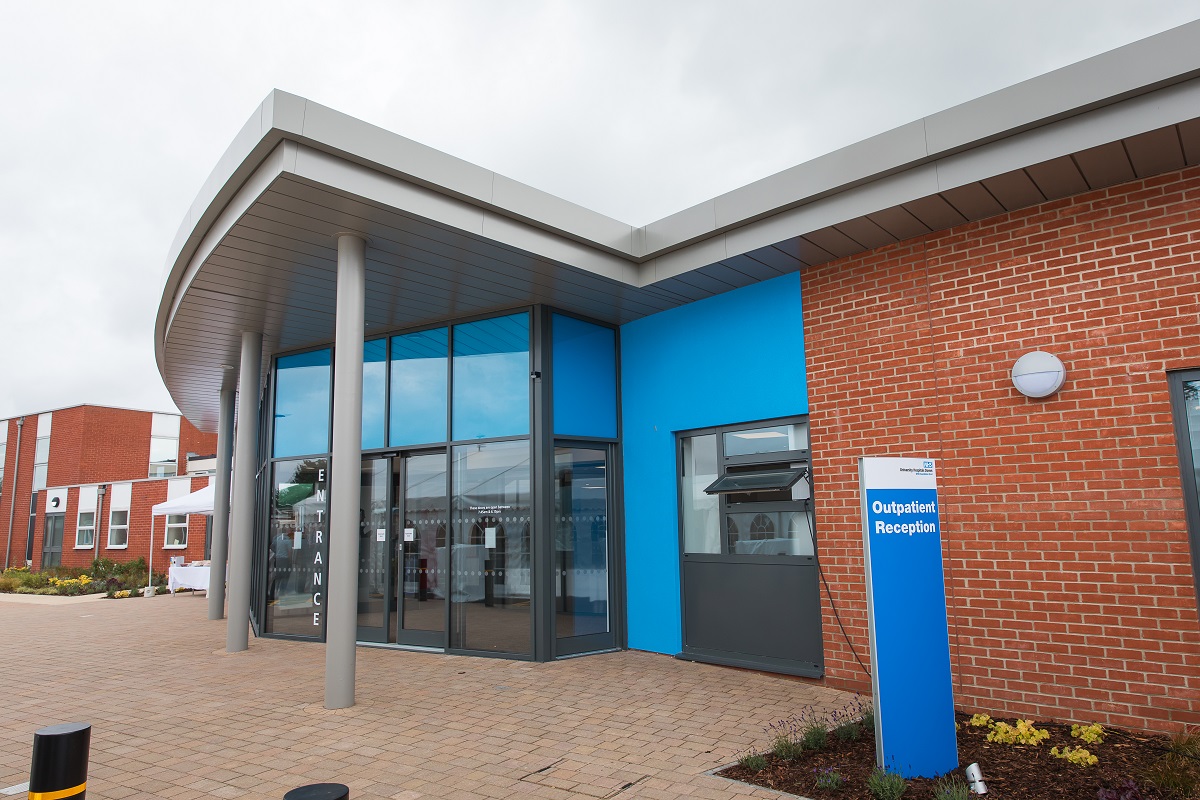
From 19 October 2026, Rheumatology services across University Hospitals Dorset will be provided from our hub sites at Christchurch Hospital and Dorset County Hospital. Some clinics will continue to run at the following locations:
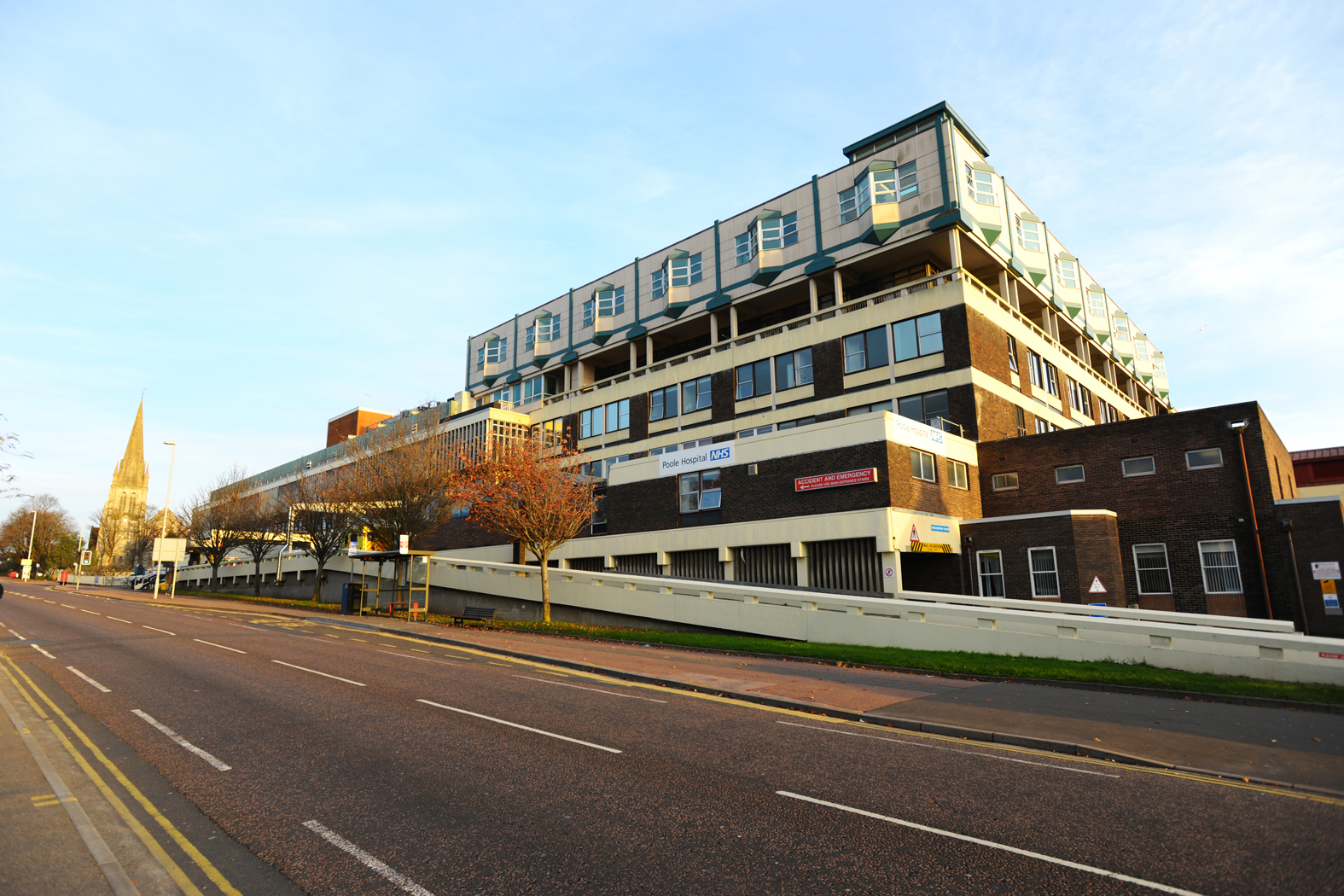
Poole Hospital (St Mary’s)
Wimborne Hospital
Blandford Hospital
Weymouth Community Hospital
Bridport Community Hospital
If you currently receive your care at Poole Hospital, you may be contacted with a change to your clinic location. Please check your updated appointment letter carefully when you receive it. Visit the Important information about Rheumatology services webpage to find out more.
Introduction
The Rheumatology service aims to provide comprehensive and individual care for patients with inflammatory joint conditions and connective tissue disease.
We recognise the importance of responding to the individual's needs and respecting privacy, dignity, beliefs and values. We aim to maintain or improve the quality of life for our patients and their carers.
We work within the wider multi-disciplinary team keeping the patient as the central focus of all care planning and delivery.
Our clinical expertise and practice are based on a core of professional knowledge and skills supported by current research and founded on professional values. We endeavour to share our expertise through education of patients, their carers and other health professionals.
What is Rheumatology?
Rheumatology is a branch of medicine concerned with disorders of the skeleton and the soft tissues which support it, such as ligaments, tendons, and muscles.
There is a wide range of rheumatological disorders, from simple soft tissue disorders such as tendonitis (inflammation of a tendon) through to complex diseases affecting more than one bodily system. These diseases may cause symptoms which are not necessarily confined to the musculoskeletal system. Therefore, although arthritis may be the condition most closely associated with this specialty, joint inflammation is only one of many clinical features.
There are over 200 types of rheumatic disease and over nine million people in the UK have some form of arthritis. Arthritis means inflammation of the joint and this can cause pain, stiffness, and occasionally swelling. The two main types of arthritis are Osteoarthritis and Inflammatory arthritis. Most people with arthritis will experience pain and some difficulty in moving around.
Arthritis affects people of all ages including children. It is not clear what causes it and there is no cure at present. However, treatment can alleviate symptoms and enable people to continue to live an active life, although some modifications may be necessary.
Inflammatory joint disease requires prompt specialist diagnosis, medication that needs regular blood tests and on-going care from a multidisciplinary team e.g. doctors, practitioners, nurses and therapists.
Connective tissue disorders and Systemic Vasculitis are rare conditions but do require specialist diagnosis and on-going treatment.
Mechanical joint symptoms (that is symptoms of pain that occur with movement of joints and soft tissues) and back pain are common conditions that can usually be managed by General Practitioners but if symptoms persist a referral may be made for a specialist opinion.
Rheumatology Outpatients appointments
If you have been referred and have a query about your appointment please contact the appointments line:
Main Outpatients 0300 019 4740
Our services
The Rheumatology service is delivered on an outpatient basis by an experienced, Consultant-led multidisciplinary team which provides assessment, diagnosis and non-surgical management of these different conditions. When on-going care and support are required this is provided by the most appropriate members of the team. We are very aware that these conditions can have a huge impact on a person's life and our aim is to always consider the whole patient, not just the disease itself.
We provide:
-
Specialist diagnostic and treatment services for patients with all forms of rheumatic complaints.
-
A monitoring and management service for patients with inflammatory arthritis taking medications that require regular blood checks.
-
A rehabilitation service for rheumatology patients with physical disability, in conjunction with other therapists and specialists.
-
An on–call service providing a specialist rheumatology opinion to patients admitted to the hospital under other specialties.
-
Provision for people with osteoporosis
-
Participation in health care research trials.
-
A teaching service for trainee rheumatologists, GPs and other health professionals.
-
Patient education and support groups.
-
Support nurse for patients with Lupus.
-
Combined clinics with other specialties.
Rheumatology outpatient service locations
We offer outpatient appointments at the below locations:
West of Dorset
Blandford Hospital
Milldown Road
Blandford
DT11 7DD
Bridport Community Hospital
Hospital Lane
Bridport
DT6 5DR
Weymouth Community Hospital
3 Melcombe Avenue
Weymouth
DT4 7TB
Dorset County Hospital Outpatient Assessment Centre (OAC)
South Walks House
Charles Street
Dorchester
DT1 1EE
East of Dorset
Christchurch Hospital - Main Outpatients
Fairmile Road
Christchurch
BH23 2JX
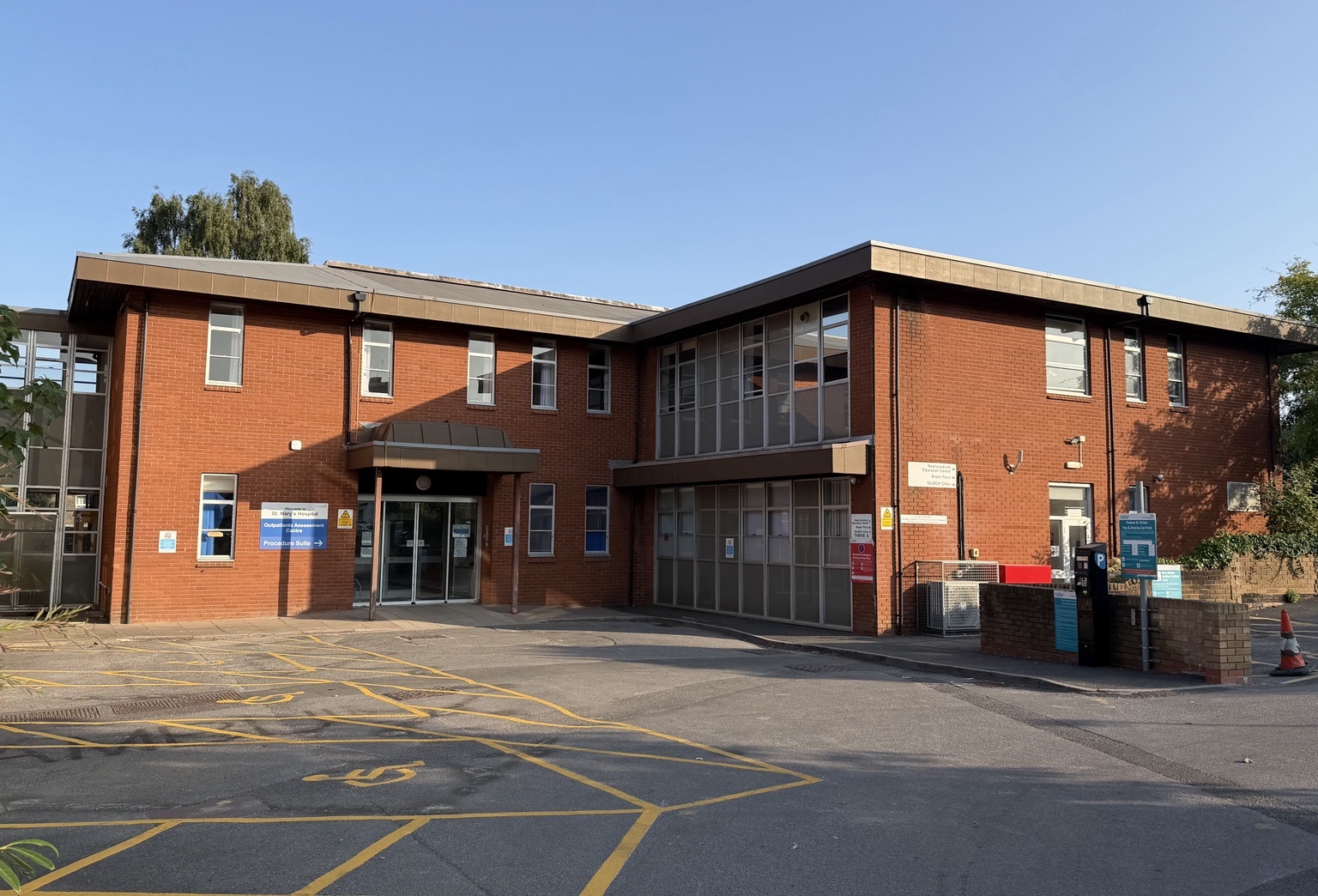
Poole outpatient clinics - at the Outpatient Assessment Clinic (OAC) in St Marys Hospital)
St Marys Hospital
St Marys Road
Poole
BH15 2BH
(Please note this is located opposite Poole Hospital).
Wimborne (Victoria Hospital)
Main Outpatients
Wimborne (Victoria Hospital)
Victoria Road
Wimborne
BH21 1ER
How to contact us
Outpatient appointments
If your query relates to an outpatient appointment please contact Main Outpatients (please note you can contact Main Outpatients for all locations)
Main Outpatients 0300 019 4740
If you have a question specifically related to a change to your outpatient location please refer to the Frequently Asked Questions (insert hyperlink to FAQs)
Rheumatology Advice line – clinical queries
If you have concerns relating to your condition or treatment, which cannot wait until your next appointment, you can call the Rheumatology Advice Line for advice and support from a member of the Rheumatology Practitioner team.
-
Rheumatology East
-
(Bournemouth, Christchurch, Poole, Wimborne): 0300 019 5302
-
Rheumatology West
-
(Bridport, Blandford, Dorchester, Weymouth): 0300 019 1441
Please note that this is an answerphone service. Calls may not be responded to straight away and will be dealt with depending on clinical priority. Please state your full name, telephone number and hospital number (you will find this on the front of your appointment letter).
If possible, please make the call yourself, as we are not permitted to disclose personal information about your condition or treatment to others without your consent. To maintain patient confidentiality, we do not routinely give test results over the phone, unless we have specifically asked you to call us for this reason.
Please note that this is not an emergency helpline: if you have an urgent query please contact your own GP or 'out of hours' service for advice. In an emergency, please call an ambulance or attend the Emergency Department in person if you are able.
How to make the most of your consultation
-
Check your appointment letter carefully to make sure you have the right location, date and time. Make a note of whether you are having a face to face, video or telephone appointment.
-
Ask for an interpreter or communication support if needed.
-
Ask a friend or family member to come with you, if this would help you.
-
Write down details of your symptoms, including when they started and what makes them better or worse.
-
Write down your two or three most important questions.
-
List or bring all your medicines and pills – including anything you buy over the counter such as vitamins and supplements.
-
Think about the clothing you are going to wear so that you feel comfortable and so that it is possible for you to have a medical examination easily.
-
Arrive in good time so you do not feel anxious