





Living with Liver Disease (Sleep and Wellbeing)
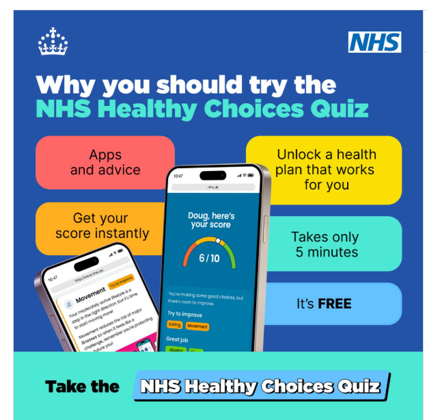
How it works

Answer questions
We'll ask about 6 areas of your lifestyle.

Get your result
This includes a score out of 10 and a summary of how you did in each section.

Get recommended apps and advice
They can help you make a change that lasts!

Email your Result (optional)
You'll also get motivational emails, focused on your areas to improve, if you score a 9 or less.
At-Risk of Liver disease checker
Sleep
Getting enough good-quality sleep is important for your health. These tips may help you sleep better:
-
Keep a regular routine. Try to go to bed and wake up at the same time each day.
-
Avoid phones, tablets and other screens for at least 1 hour before bed.
-
Relax before bedtime. Reading or listening to quiet music may help.
-
Try mindfulness. The NHS has simple CBT techniques that can help you manage worries before bed.
-
Make your bedroom comfortable. A room that is quiet, dark and cool can help you sleep. Keep your phone on silent and turn it face down.
-
Don't force yourself to sleep. If you cannot sleep, get up and do something relaxing. Go back to bed when you feel sleepy.
-
Avoid caffeine, alcohol and nicotine for 1–2 hours before bed.
-
Keep active during the day. Exercise can help you sleep, but avoid hard exercise for 1–2 hours before bed.
If you work night shifts
Try not to eat between midnight and 6am.
Instead, try to:
-
Have a meal in the early evening before your shift.
-
Have another meal in the morning after your shift.
Want to learn more about getting better sleep? Take a look at Sleep problems for support.
Stress
Stress can affect both your mind and body.
Making time for things you enjoy can help you relax.
You could try:
-
Mindfulness
-
Meditation
-
Listening to music
-
Reading
-
Spending time in nature
-
Spending time with friends and family
Steps2Wellbeing
If you are feeling stressed, worried or low, Steps2Wellbeing can offer free support to help you feel better. They provide talking therapies and self-help tools to help you manage your mental health.
How to refer yourself
You can refer yourself to Steps2Wellbeing without seeing your GP first. Visit the Steps2Wellbeing website and complete the online referral form. You can also find more information about the support they offer on their website.
Visit Steps2Wellbeing
Online self-help
The NHS has free online tools that can help you manage your mental health.