
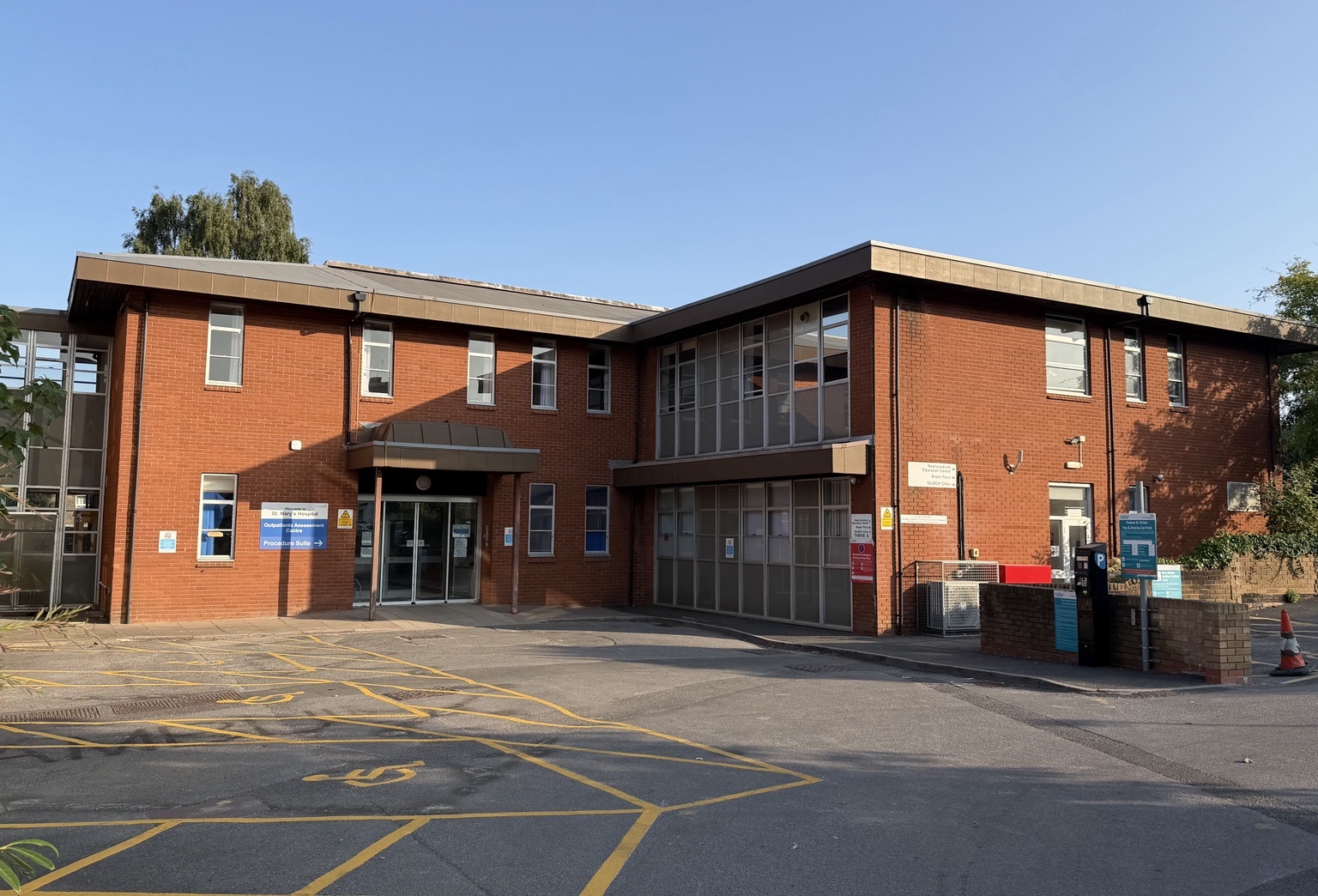

Welcome to the Hepatology Department at University Hospitals Dorset
We care for adults with liver disease.
Our team will help you if you have a liver problem. We will find out what is causing it. We will explain your condition. We will work with you to plan your care.
Our team includes doctors, nurses and other health professionals. We work together to give you the care and support you need.
You may see us:
-
in hospital
-
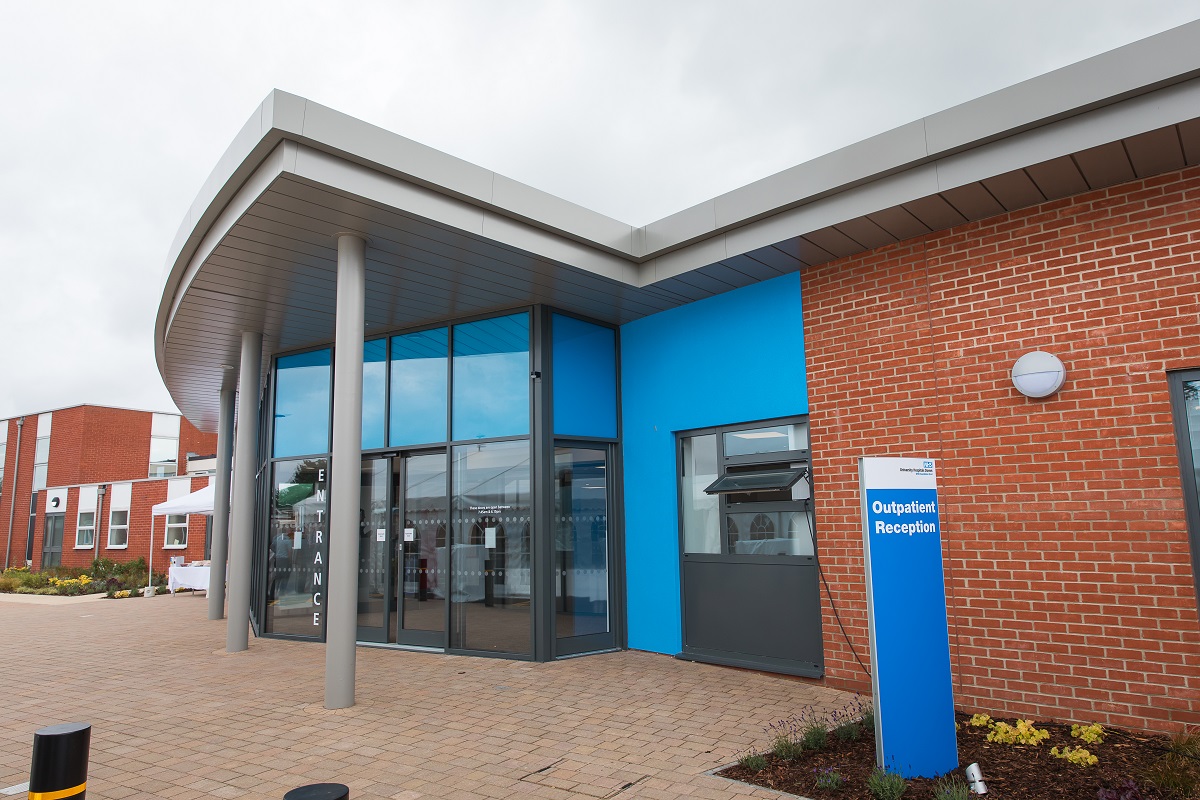
at an outpatient appointment
-
in the community.
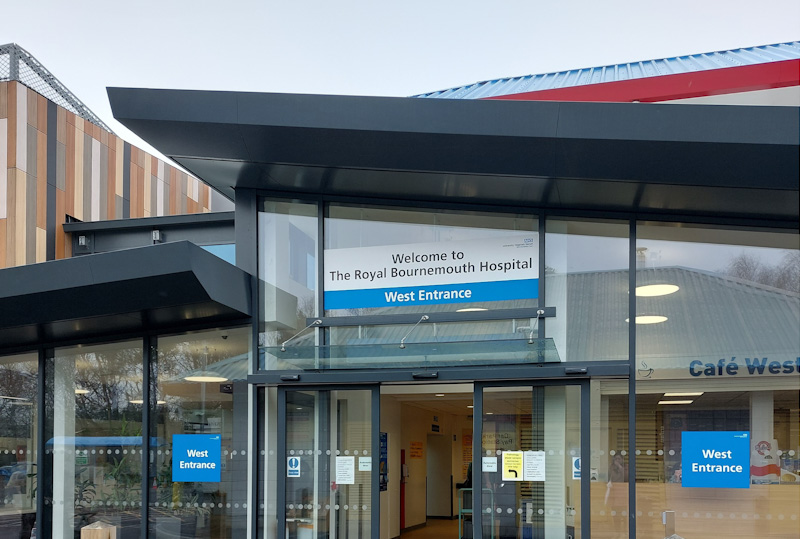
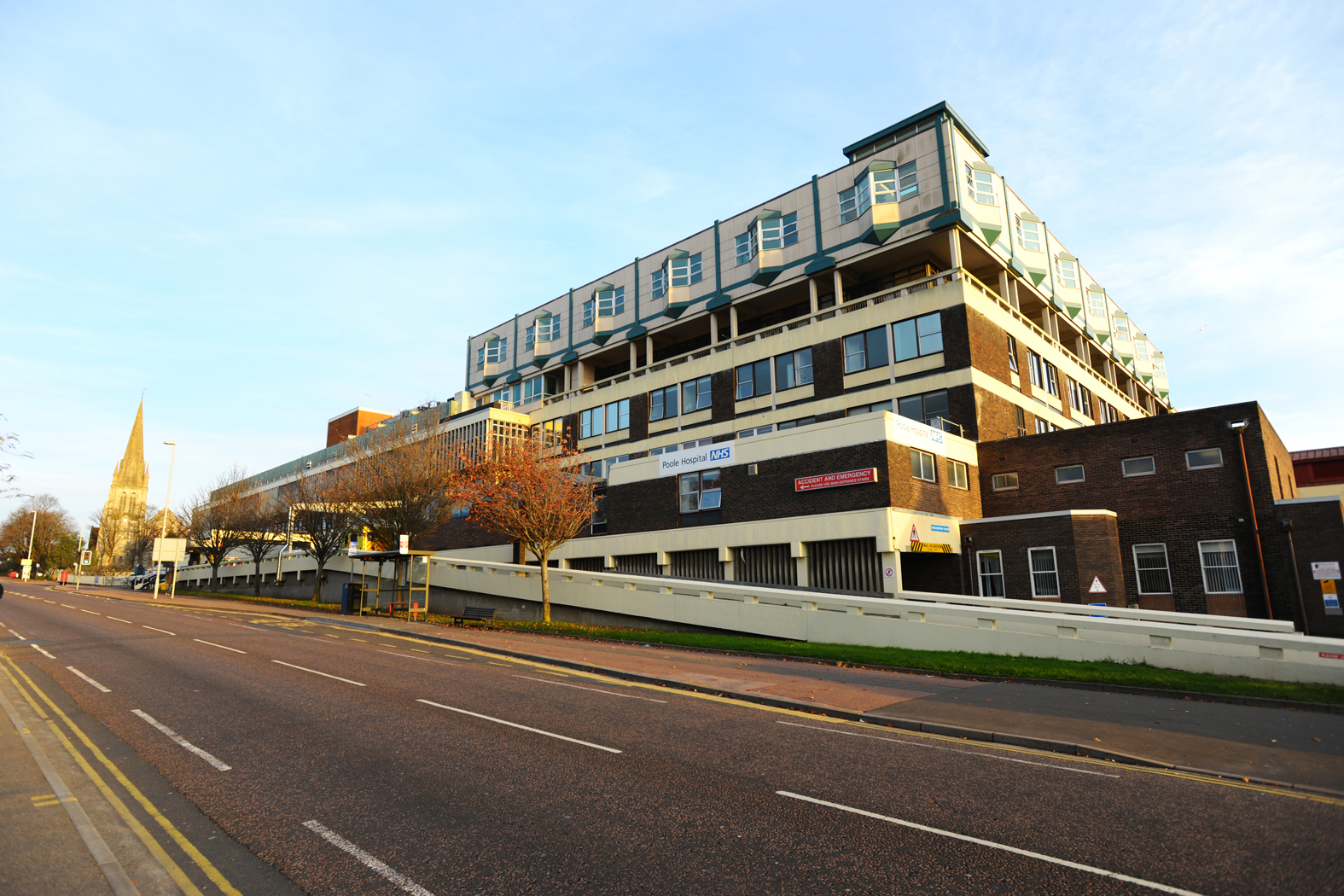
Our service is based at Royal Bournemouth Hospital and Poole Hospital.
We also work with the Alcohol Care Team and the Homeless Care Team. This helps us support people who need extra help.
Our standards
Our liver service is approved by IQILS (Improving Quality in Liver Services). IQILS checks that liver services meet national standards. We have achieved IQILS Level 1 and are now working towards Level 2, the highest level of accreditation within the IQILS framework.
We review our service to make sure it is safe and gives people the care they need.
Your care is at the centre of everything we do
Our services
Hepatology Conditions We Monitor
Our expert team provides full-spectrum care for:
-
Our expert team provides care for:
-
hepatitis B, C, D, E (HBV, HCV, HDV, HEV)
-
cirrhosis
-
metabolic dysfunction-associated steatotic liver disease (MASLD)
-
alcohol-related liver disease (ARLD)
-
liver cancer (hepatocellular carcinoma surveillance, HCC surveillance)
-
primary biliary cholangitis (PBC)
-
primary sclerosing cholangitis (PSC)
-
autoimmune hepatitis (AIH)
-
liver transplant
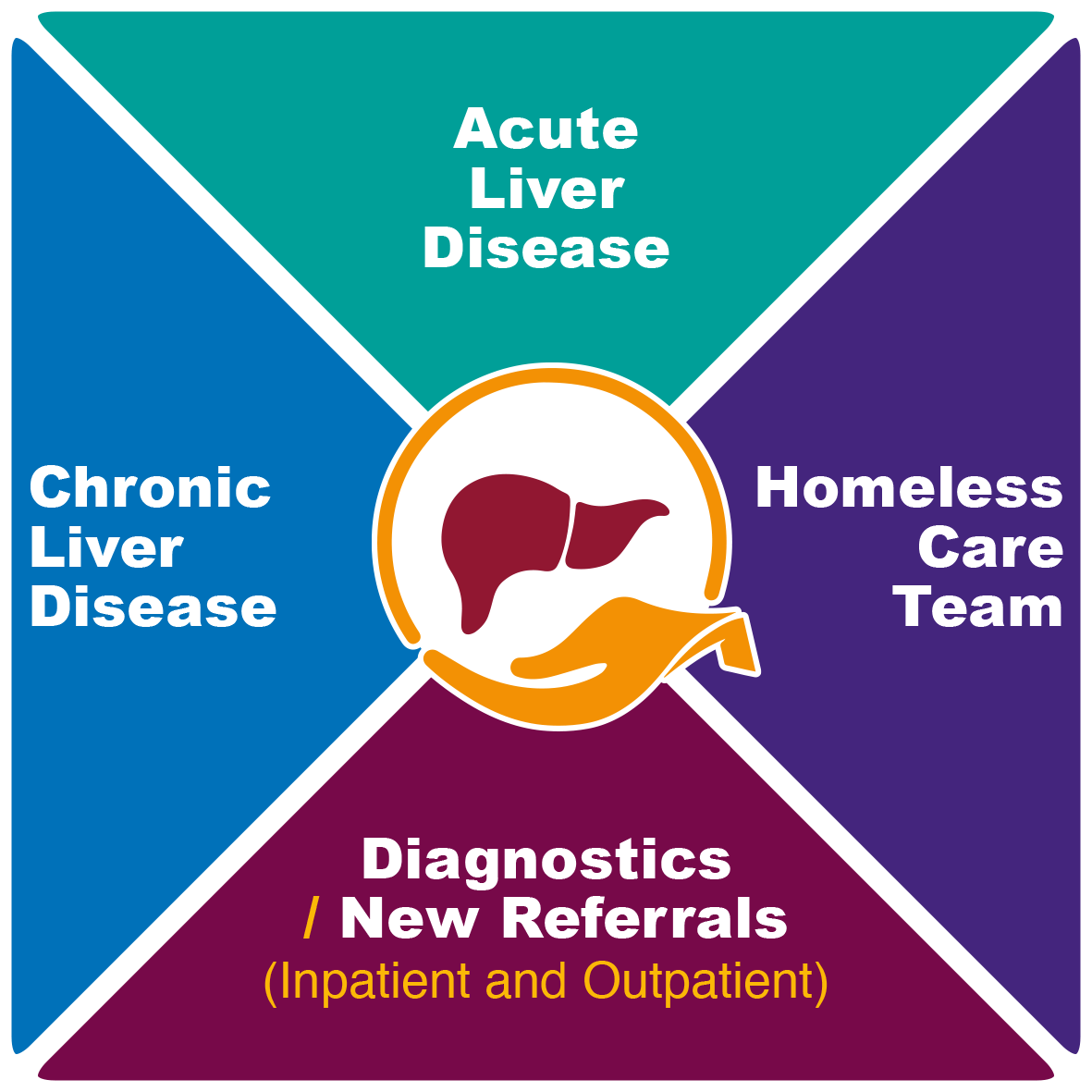
Our hepatologists (liver doctors), specialist nurses, pharmacists, dietitians, and outreach professionals work together to provide excellent care.
Patients who come to hospital because of liver disease are seen by a specialist doctor within 24 hours.
We aim to care for most of our liver patients on our gastroenterology wards.
All our consultants are experienced at managing new liver presentations. Our liver nurses aim to attend ward handovers and ward rounds and see liver cirrhosis patients on the wards.
We run a decompensated liver cirrhosis MDT with liver specialists and other health professionals every two weeks to discuss inpatients and recently discharged patients.
With 2 weeks of leaving hospital, our liver nursing team will aim to make contact and within 6 weeks an invitation to attend a specialist clinic is sent.
Meet the Team
This page is currently being built
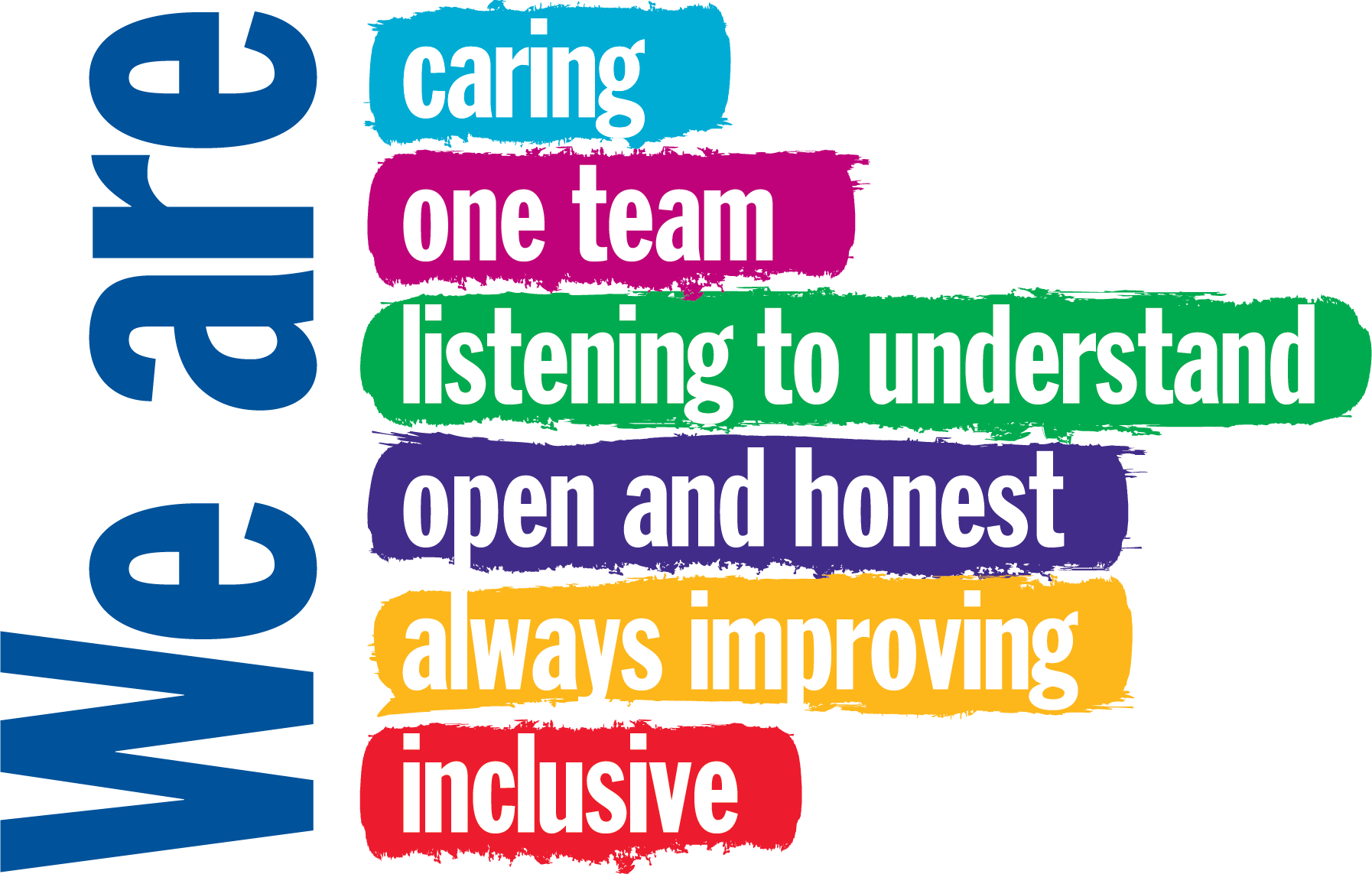
Trust Values
Our Commitment to You
At UHD, our values guide every aspect of the care we deliver. Here’s what you can expect when you're under our care:


We treat every patient with empathy, dignity, and respect.
What this means for you: We listen carefully and support you with kindness throughout your treatment journey.

We strive to work collaboratively across departments to provide cohesive, well-rounded care.
What this means for you: Our goal is to improve communication between specialists, GPs, and community services to support a more connected healthcare experience.

We value open conversations to understand your concerns and needs.
What this means for you: Your voice matters, and your feedback helps us improve.

We believe in transparency and clear communication.
What this means for you: You’ll always have the information needed to make informed decisions about your care.

We continually evolve our services based on the latest evidence and patient feedback.
What this means for you: You receive care that reflects best practices and current medical advancements.

We welcome and respect individuals from all backgrounds.
What this means for you: Our services are designed to be accessible and equitable for everyone.