




Transfusion
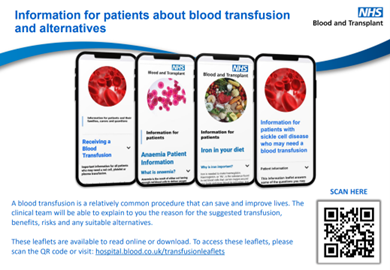
The information below is based on patient leaflets created by the UK and Ireland Blood Transfusion Network, the four UK Blood Services, and Serious Hazards of Transfusion (SHOT).
More information can be found on:
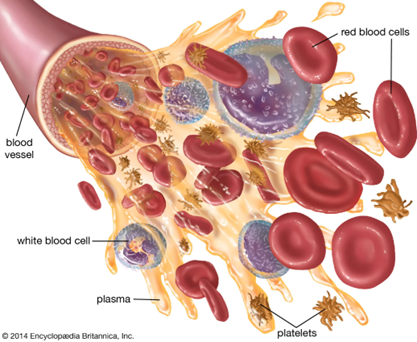
Blood is made up of different parts. Each part has an important job.
Red blood cells
Red blood cells carry oxygen around your body. Oxygen helps your body work properly.
If you do not have enough red blood cells, this is called anaemia. Anaemia can make you feel tired, short of breath, dizzy, or weak.
You may need a red blood cell transfusion if:
- your body is not making enough red blood cells, or
- you have lost blood. For example after surgery or an injury.
Some types of anaemia can be treated with medicines such as iron. Sometimes, a blood transfusion is the best or only treatment.
Platelets
Platelets help you stop bleeding. They do this by helping blood to clot.
You may need a platelet transfusion if:
- you do not have enough platelets, or
- your platelets are not working properly.
This helps stop bleeding or lowers the risk of bleeding.
Plasma
Plasma is the liquid part of blood. It carries blood cells around the body.
Plasma has clotting factors. Clotting factors help stop bleeding.
You may need a plasma transfusion if your body does not have enough clotting factors.
Plasma products include:
- fresh frozen plasma (FFP)
- cryoprecipitate, which contains clotting factors and fibrinogen
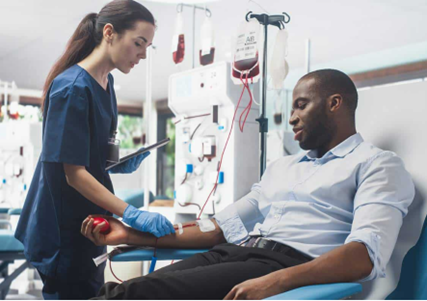
Most people can lose some blood without needing a transfusion. The body can make new blood over time.
A blood transfusion may be needed if:
- a lot of blood has been lost
- blood needs to be replaced quickly
Blood transfusions are sometimes used:
- during or after big surgery
- after serious accidents
- in emergencies during childbirth
Blood cells are made by the bone marrow. Sometimes the bone marrow does not work properly.
This can happen because of illness or treatments such as:
- chemotherapy
- radiotherapy
This may last a short time or a long time. Your healthcare team will plan the best treatment for you.
At University Hospitals Dorset (UHD), patients may receive one or more types of blood.
Blood is usually given through a small tube into a vein in your arm.
- Red blood cells transfusion: this takes up to four hours
- Platelet or plasma: this usually takes 30 minutes to one hour per bag
Sometimes transfusions can be given faster if it is safe to do so.
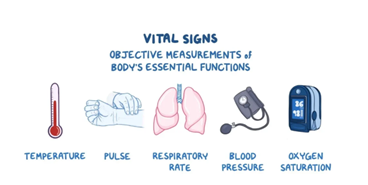
We will check your vital signs:
- before the transfusion starts
- 15 minutes after it starts
- when the transfusion finishes
This includes:
- temperature
- pulse
- blood pressure
You will be watched closely during the transfusion.
Most people feel normal. Your nurse or doctor will explain possible risks.
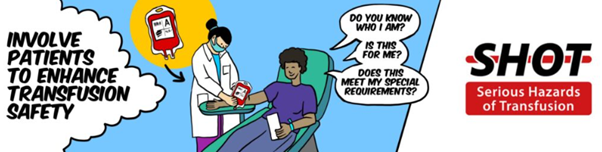
If the transfusion is not an emergency, we will ask for your consent.
A doctor or nurse will:
- explain why you need a transfusion
- talk about the benefits
- explain possible risks
- discuss other options if there are any
- answer your questions
Written consent is not needed by law in the UK. The discussion must be recorded in your notes.
You can say no to a blood transfusion.
For children:
- parents or guardians usually give consent
- some young people aged 16–17 may be able to consent for themselves
You can ask questions any time.
Examples include:
- why do i need this transfusion?
- what blood will i receive?
- how will it be given
- how long will it take?
- what side effects might happen?
- what should i do if i feel unwell
- what should i do if i feel unwell at home?
- are there other treatments i could have instead?
- do i need to take any precautions?
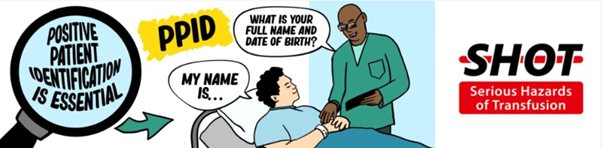
Many checks are done to keep you safe.
Staff will:
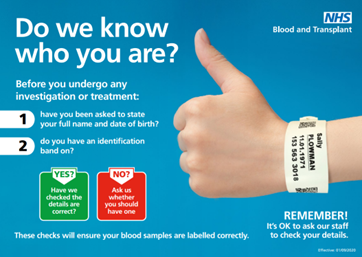
- check your identity carefully
- ask your full name
- ask your date of birth
- label blood samples straight away
If a sample is labelled incorrectly, it may need to be taken again.
You can help staff. Remind them to check your name and date of birth.
Most people feel no different during a transfusion.
Some people may have mild reactions, such as:
- a mild fever
- shivering or chills
- feeling warm
- a skin rash
These are usually easy to treat.
Rarely, serious reactions can happen. Staff are trained to spot and treat these quickly.
Blood donors are healthy volunteers.
All donated blood is carefully tested for infections including:
- Hepatitis B
- Hepatitis C
- Hepatitis E
- HIV
The risk of infection is very low, but it cannot be completely removed.
Because of this:
- anyone who has had a blood transfusion since 1980 cannot donate blood
- it is safest to receive blood from an unrelated donor
You can find more information about blood transfusion and anaemia at:
If you have a transfusion at UHD, you should receive a post transfusion leaflet to take home: Advice for patients after a blood transfusion
Other useful links:
- Finding your way around our hospitals
- Patient experience and feedback (compliments, concerns, complaints and more)