

Healthset is a joint programme across four trusts in Dorset and Somerset to deliver a shared electronic health record (EHR) for acute, community and mental health services, working with our system provider, Epic.
This once-in-a-generation programme will transform how information is recorded, shared and accessed, enabling colleagues to spend less time working around systems and more time caring.
Our teams deliver safe, compassionate care every day, but we still rely on multiple systems, separate records and paper processes. This can mean patients repeating their story and colleagues spending valuable time duplicating work or managing gaps in information. For our digital teams, this means managing multiple legacy systems and data sources to support users to deliver services.
Healthset is our shared response. By introducing one EHR across our organisations, we will support more joined up working, safer decision-making and better use of information, freeing up more time for care.
This ambitious programme will fundamentally change how health and care is delivered across Dorset and Somerset in a way that is clinically and financially sustainable. We will be guided by doing the right thing for our patients, carers, people and communities, while creating a working environment that better supports our colleagues.
Read our recruitment FAQs here.
Recruitment update
Healthset offers a range of opportunities throughout the programme, with vacancies becoming available at different stages of implementation.
Our recent recruitment campaign attracted a strong field of applicants, and we would like to thank everyone who expressed an interest in joining the programme.
Following feedback from colleagues and lessons learned from earlier recruitment rounds, we have introduced a number of improvements to further enhance both the recruitment process and candidate experience. We continue to welcome applications and encourage colleagues, including those who may wish to reapply, to consider future opportunities with Healthset.
There are currently no Healthset vacancies available. However, as the programme continues to develop and expand, further recruitment activity is expected, so please keep an eye out here for future opportunities.
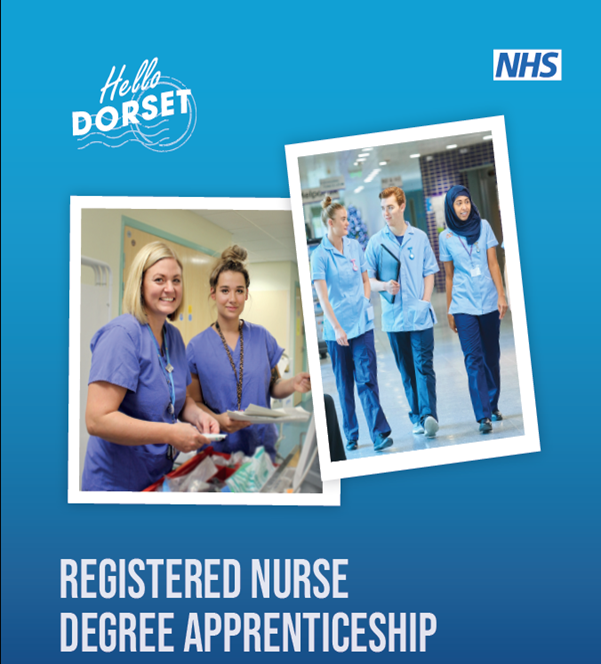
Registered Nurse Degree Apprenticeship
Work. Learn. Earn.
About the apprenticeship
The Registered Nurse Degree Apprenticeship (RNDA) will give you a chance to study for a qualification that will enable you to become a registered nurse. At UHD we offer the Adult nursing Route.
What's in it for you?
The programme will give you the opportunity to study for a nursing degree and qualify as a nurse whilst being paid with no tuition fees to pay.
Who can become an RNDA
The type of person we are looking for
- Are you resilient and up for the challenge?
- Are you looking for a fulfilling career and professional qualification?
- Are you keen to go to university but are concerned about the costs?
- Are you someone who has always dreamed of being a nurse and are thinking about a career change?
We are looking for people who care about people and their wellbeing and want to make a difference.

What we need
To apply for a RNDA, you will need to:
- Be aged 18 or over at the start of the programme
- Have grade C/4 or above in GSCE English and Mathematics or an ESFA/Department for Education acceptable equivalent at the point of application. Please note that IELTs, or any English as second language qualification at any level is not an acceptable qualification for an ESFA/Department for Education funded apprenticeship programme
- Each application will be considered on a case-by-case basis, and a range of academic qualifications may be acceptable. For example, three A-levels at grade C, or two A-levels at grade A* or a full level 3 (or advanced) apprenticeship recognised by the Institute for Apprenticeships or a completed Access to Higher Education Diploma
Many of the most common qualifications we can consider are outlined on the Bournemouth University RNDA admissions webpage.
We recognise that some applicants may have a wealth of experience in addition to some appropriate formal qualifications, so we’ll consider your application on these merits if included in your application. Each application will be considered on a case-by-case basis.
We welcome applications from people who have experience or who are new to healthcare. If you are an existing member of staff, you are encouraged to speak with the Careers and Apprenticeships team, via This email address is being protected from spambots. You need JavaScript enabled to view it.. Please note that applications for 2026 are for internal UHD staff only.

Specifics of the role
Where it all takes place
The course will combine university study alongside working as an apprentice in healthcare settings in Dorset.
- University Hospital Dorset in Bournemouth, Christchurch and Poole
University Hospitals Dorset NHS Foundation Trust supports Registered Nurse Degree Apprentices in Adult Nursing.
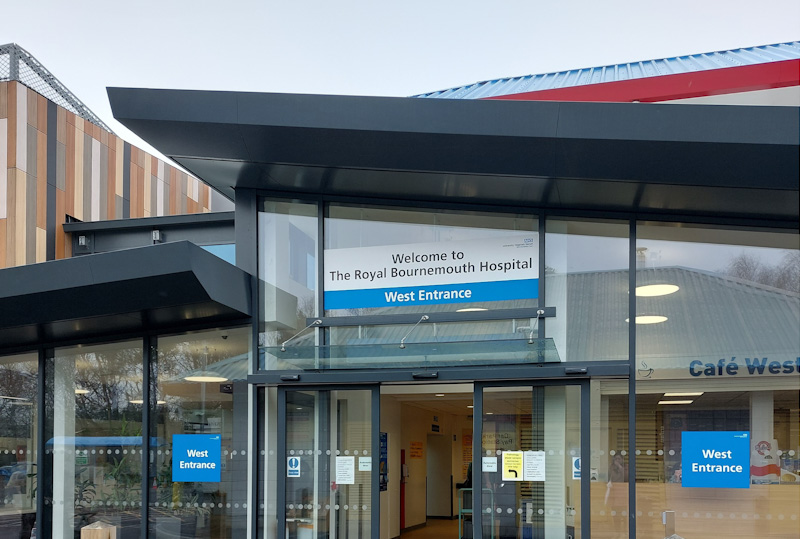
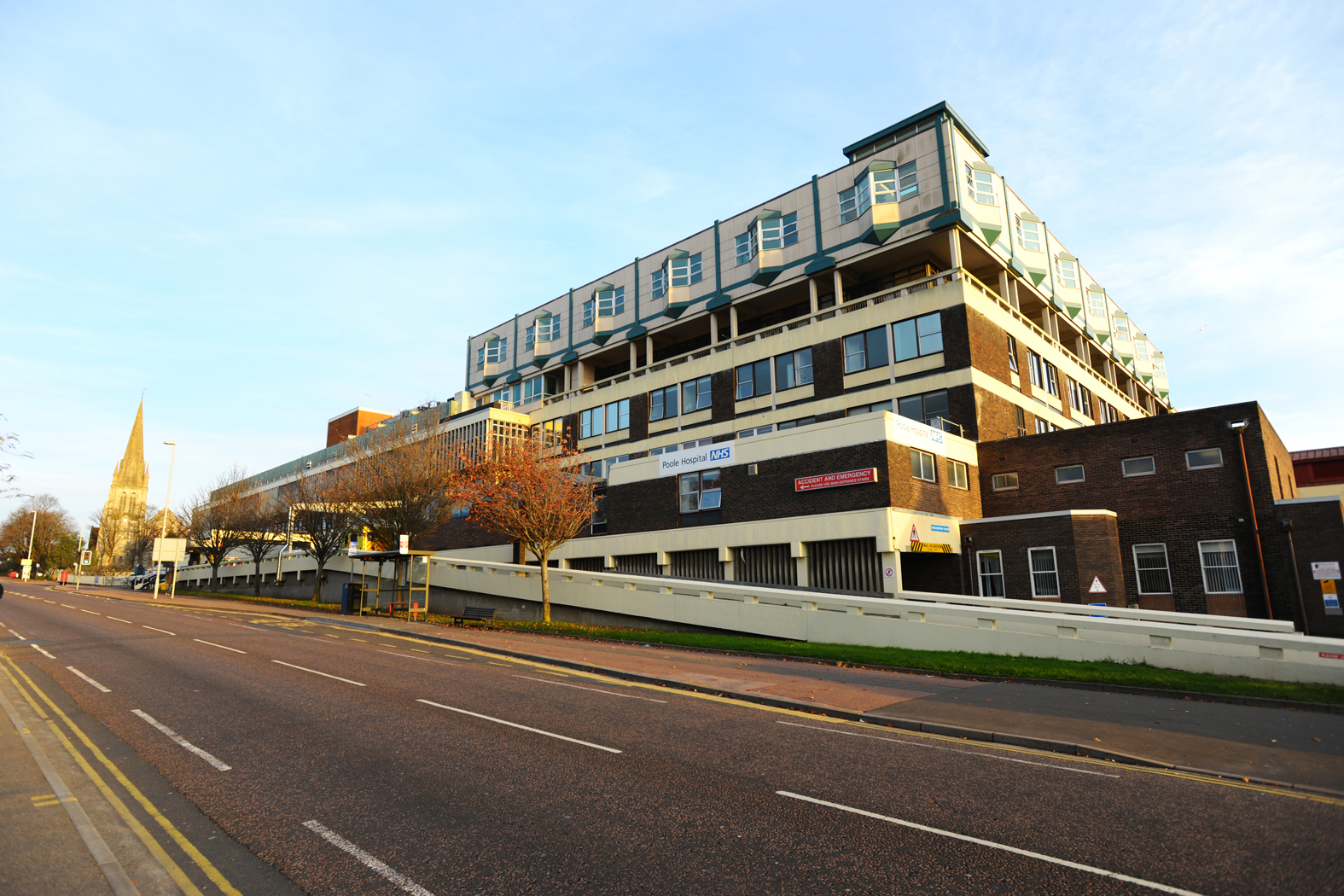
Our trust is comprised of three hospitals; the Royal Bournemouth Hospital, Poole Hospital and Christchurch Hospital, which merged on 1 October 2020, creating a new organisation. This will provide huge opportunities and benefits to the way we deliver patient care in the future and will lead to better outcomes, improved quality and more efficient service delivery.
As well as delivering excellent general hospital services, our trust is home to a range of specialist services and facilities including:
- our flagship Dorset Cancer Centre, offering medical and clinical oncology services for the whole of Dorset, serving a total population of over 750,000
- a major trauma unit for east Dorset, serving a population of more than 500,000 people
- a state-of-the-art Cardiology Unit (the Dorset Heart Centre), and
- our award-winning orthopaedic service providing hip and knee replacements (the Derwent Unit)
Within UHD we pride ourselves on the delivery of safe and high-quality care. Every single person working within this organisation makes a difference to the quality of care provided. Our values define who we are as #TeamUHD. They underpin everything we do now and in the future. They define how we treat our patients, visitors, and each other, our valued teammates and colleagues.
We have a number of exciting developments due to take place over the next few years, coupled with an ambitious transformation agenda. The Royal Bournemouth Hospital will become the major emergency hospital and Poole Hospital will become the major planned hospital; alongside other services provided for east Dorset. Christchurch Hospital incorporates the Day Hospital which provides rehabilitation for our older population, the Macmillan Unit which provides specialist palliative care, rheumatology, and dermatology.
This means that some services may move site this year or next, either temporarily or long term. Recruiting Managers interviewing for this role will be happy to answer any specific questions that you have about this at interview.
Visit the University Hospitals Dorset NHS Foundation Trust website to learn more.
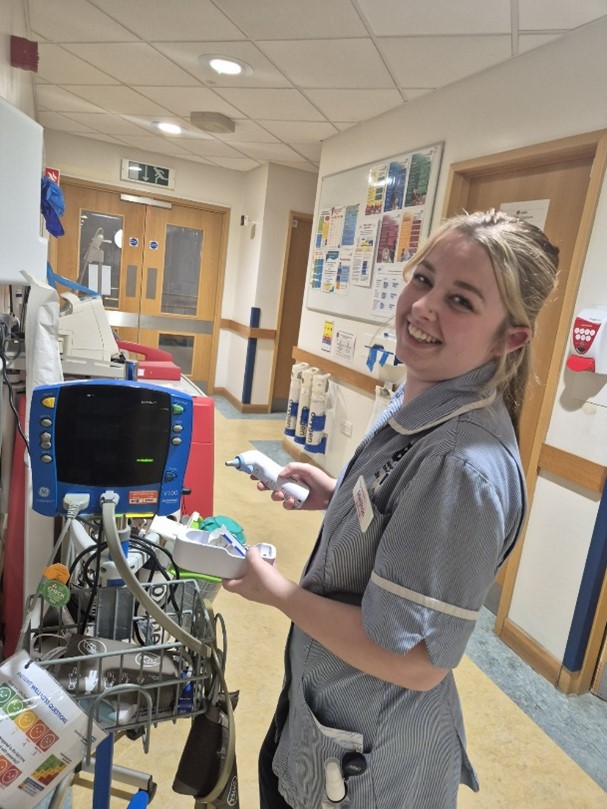
As well as working as part of the team delivering care at your home base, you will also experience placement opportunities at various locations where you'll develop the skills to become a registered nurse.
Whilst on home base and on placement your shift patterns may include nights, evenings, weekends and bank holidays.
Due to the type of programme annual leave is only able to be taken during home base time.
Support From NHS Trusts in Dorset
The NHS in Dorset supported Registered Nurse Degree Apprentices for several years and are very familiar with the challenges of working and studying in an apprenticeship role.
The Practice Education teams along with Bournemouth University have a wealth of experience and make every effort to maximise the learning opportunities available both in the classroom and clinical environment to achieve learning outcomes.
RNDAs will have the opportunity to train alongside other learners, will receive individual support where needed and have the opportunity to meet and work with other apprentices.
Programme provider
The programme will be provided by Bournemouth University.
What Would University Look Like?
- You will study with Bournemouth University for at least one day per week
- Excellent support services, facilities and opportunities at the new Bournemouth Gateway Building, Lansdowne Campus, Bournemouth University
- The RNDA programmes are accredited by the NMC (Nursing and Midwifery Council)
- A minimum of 2,300 hours on placement and 2,300 theory hours
- Excellent support services, facilities and opportunities Bournemouth University
Registered Nurse Degree Apprenticeship leading to BSc (Hons) Adult Nursing
Overview: Accredited by the Nursing and Midwifery Council, our courses in Adult and Mental Health Nursing expertly blends theory with real world experience-giving you all the skills needed to feel confident working as a nurse with patients in a variety of settings.
The registered nurse degree apprenticeship (RNDA) is deal for anyone who wishes to pursue a career in adult nursing nursing while being employed.
As a nurse apprentice you will be registered as a student with the University and have access to the same resources and support as other BU students.
Contract
The programme is approximately 3 ½ years in length, will start in August/September 2026 (subject to change) and is full time. This is usually made up of:
- 7.5-hour study days for academic study
- Days working shifts as a supernumerary student nurse in placement
- Days working shifts in your workplace as a rostered employee
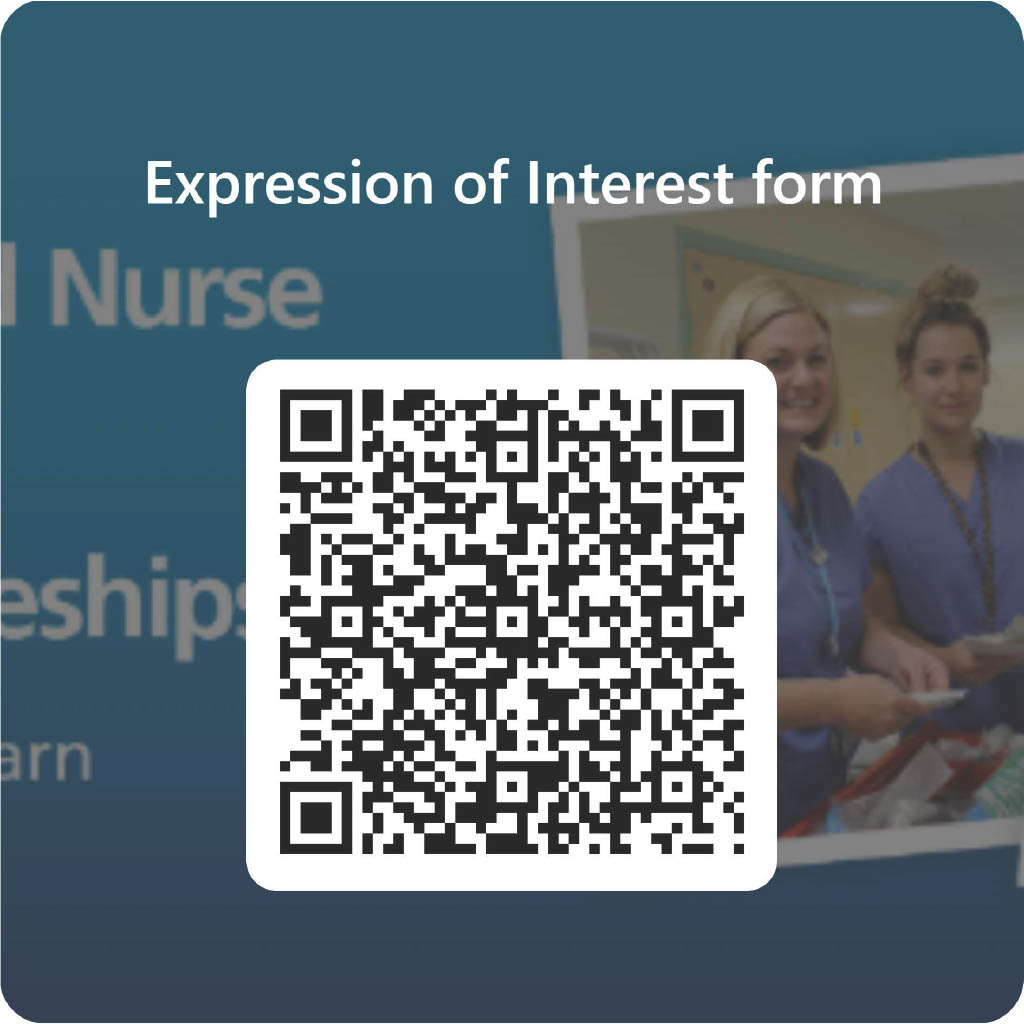
Please use the QR code below to register your interest in our 2027 intake. You will be contacted when the planning for this is underway.
FAQ-Frequently asked questions
If your question is unanswered, please get in touch by emailing us at This email address is being protected from spambots. You need JavaScript enabled to view it..
Nurses work as part of a team and provide direct patient care. They work in a variety of settings, including hospital wards, operating theatres, clinics, doctors' surgeries and patients' homes. Nurse apprentices will work in a main place of work, undertake study and also have a variety of clinical placements during their apprenticeship.
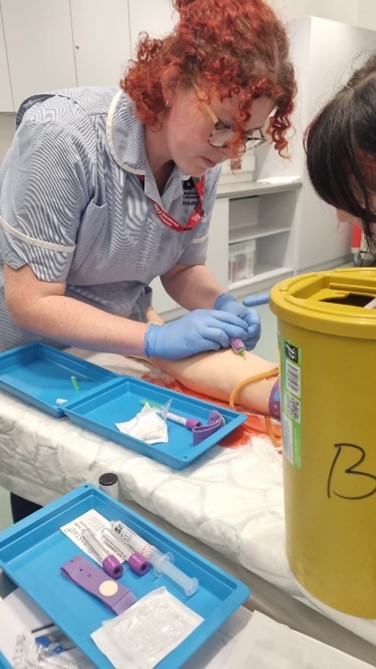
There are four fields of nursing, Adult, Mental Health, Children's and Learning Disabilities. At UHD we are offering training as an apprenticeship in adult nursing.
Yes, upon completion of the apprenticeship you will be awarded a BSc (Honours) in adult nursing and will be able to register as a nurse. This will be exactly the same degree as anyone attending university full time. It is the way that this degree is delivered that is different as apprentices will be based in the workplace as well as studying with a university.
Apprentices will be released by their employer to study part-time with a university and will train in a range of practice placement settings. Apprentices will study with a university that is a Nursing and Midwifery Council (NMC) approved education provider and will be expected to achieve the same standards as any other student nurse.
Registered Nurse Degree Apprentices won't have to pay tuition fees. The cost of the apprenticeship will be paid by employers.
A full recruitment and selection process will take place. You will need to submit and application and undertake an interview.
When completing your application form please refer to the job profile.
All qualifications must be detailed on the application form – the subject, the grade and the year. Without this clear information we will not be able to process your application. Any pending qualifications must also be included – Any A-Level / Level 3 or higher qualifications that are pending need to be achieved by the start of the programme. If you are already on an apprenticeship you must have completed your End point Assessment and have been awarded your qualification, before the enrolment day for the RNDA programme.
A full recruitment and selection process will take place. You will need to submit and application and undertake an interview.
When completing your application form please refer to the job profile.
All qualifications must be detailed on the application form – the subject, the grade and the year. Without this clear information we will not be able to process your application. Any pending qualifications must also be included – Any A-Level / Level 3 or higher qualifications that are pending need to be achieved by the start of the programme. If you are already on an apprenticeship you must have completed your End point Assessment and have been awarded your qualification, before the enrolment day for the RNDA programme.
Yes! As well as working as part of the team delivering care at your home base, you will also experience placement opportunities at various locations where you will develop the skills to become a registered nurse.
In addition to your usual place of work apprentices will have placements over the four years which will be in a variety of settings. Placements will be in blocks over the course of the programme and will be in variety of locations across Dorset potentially during mornings, evenings, weekends and bank holidays so it is essential that you are able to access these places.
The apprenticeship is a full-time role which is 37.5 hours a week in the NHS. During the apprenticeship there will be a requirement to experience essential all-round care to meet patient needs. Part of the apprenticeship work in a healthcare role could include a variety of shift patterns and may include day or night shifts and weekends and bank holidays.
Your main place of work and placements will be across Dorset, therefore you will be expected to be able to travel to these various locations at a variety of times and days of the week.
The apprenticeship will take four years to complete.
There is no upper age limit to start a nurse apprenticeship, but you must be aged 18 or over at the start of the programme.
Qualified nurses can undertake nursing roles in both primary and secondary care in many areas of work and in many clinical areas. Nursing can follow a career path in:
- Research
- Education
- Leadership
With further experience, future careers can include advanced practice nursing, nurse education and mentoring, and healthcare management, such as ward sister or lead nurse.
Yes, it can. The University recognises that many entrants may have already studied some subjects at the level required. A learner may be admitted to the programme with credit provided that they can demonstrate that they have met the intended learning outcomes of the relevant unit(s) at the required level. All successful applicants will be invited to claim for any exemptions prior to starting the course. Your claim will then be assessed and exemptions awarded as appropriate.
In the case of students who have undertaken the Student Nurse Apprenticeship (SNA) the content of the SNA is mapped against the requirements and structure of the RNDA. This is likely to lead to exemption from a whole level / full-time year of study as well as from individual units of study. This will normally result in entry to Level 5 of the RNDA with advanced standing.
Yes, full time staff are entitled to annual leave days and an average of 8 public holidays. Your employer can tell you more about this.
An annual leave will need to be agreed through the line manager and taken within specific times of the apprenticeship programme. (for example, not during placement time). There may be requirement to work on some public holidays with leave taken at an alternative time. Any prior booked leave should be discussed if invited to interview.
There are a number of staff benefits open to NHS employees including: pensions, staff discount at certain outlets, access to some corporate memberships, student discount card for apprentices and many more.
Vaccines for health and care staff (NMC)
The Code and our standards make clear that professionals have a responsibility to maintain their own level of health. And that they should take all reasonable personal precautions to avoid potential health risks to colleagues and people receiving care. All nurses, midwives and nursing associates need to be confident that measures are in place where they work to manage any risk of transmission, and they need to take appropriate steps themselves to reduce risks and prioritise the safety of people in their care.
It is a requirement that all RNDAs meet the occupational health requirements to complete the programme.
All staff should be up to date with their routine immunisations e.g. tetanus, diphtheria, polio and MMR.
Other vaccinations that will be required or recommended (unless medically exempt) are:
- Hepatitis B
- BCG vaccine for tuberculosis (TB)
- Influenza
Working in healthcare, you are more likely to be exposed to infections such as COVID-19 and flu. You can pass on these viruses to family, colleagues, and patients that we care for, many of whom may be at increased risk.
As with all vaccinations protection from previous jabs reduces over time, ensuring you receive your seasonal jabs will top up your immunity against these viruses. As healthcare staff we should do everything we can do to reduce our own personal risk of becoming ill from COVID-19 and flu.
You can find out more information and view all Dorset vaccination clinic details on https://www.dorsethealthcare.nhs.uk/covid-19-vaccination-service
We are committed to developing opportunities through the apprenticeship route. Following successful completion of the Registered Nurse Degree Apprenticeship programme we support you to apply for vacancies within the Trust. There is an expectation that successful applicants will remain at UHD for a further two years following successful completion of the apprenticeship programme.
Information Sessions
Please check back next year for dates on the information evenings or register your interest using the code above to be contacted directly.
Contact us
If you have any questions, please feel free to This email address is being protected from spambots. You need JavaScript enabled to view it. and we will get back to you as soon as we can.
You may find some useful information in the FAQs above.
Other opportunities
There are limited places available on this programme and if you are not successful at interview or during the recruitment process there may be other opportunities available to you. Please see below for more details.
Why not consider the Student Nurse Associate Programme?
A nursing associate is a member of the nursing team in England that helps bridge the gap between health and care assistants and registered nurses.
Nursing associates work across all four fields of nursing: adult, children's, mental health, and learning disability. Your skills and responsibilities will vary, depending on the care setting you work in. You will need to demonstrate the values and behaviours of the NHS Constitution.
It's a stand-alone role that also provides a progression route into graduate level nursing.
Your duties are likely to include:
- undertaking clinical tasks including venepuncture and ECGs
- supporting individuals and their families and carers when faced with unwelcome news and life-changing diagnoses
- performing and recording clinical observations such as blood pressure, temperature, respirations and pulse
- discussing and sharing information with registered nurses on a patients' condition, behaviour, activity and responses
- ensuring the privacy, dignity and safety of individuals is maintained at all times
- recognising issues relating to safeguarding vulnerable children and adults
Entry requirements
To begin your training as a nursing associate, you'll need GCSEs grade 9 to 4 (A to C) in Maths and English, or Functional Skills Level 2 in Maths and English. Local employers will also ask for a level 3 qualification or equivalent. You’ll also need to show that you can study for a foundation degree level and complete the Nursing Associate Apprenticeship programme.
Your training
You'll undertake academic learning one day a week and work-based learning the rest of the week. You'll be employed in a healthcare setting such as an acute, community or mental health hospital, care home or hospice but also gain experience in other settings. This will mean travelling to placements and working a mix of shifts.
It is very important to plan and manage the competing demands of your job role, study and placements. You'll develop an understanding of all elements of nursing and caring for individuals with conditions such as dementia, mental ill health and learning disabilities/difficulties.
Career development
Once you've finished your training, you'll have the knowledge, understanding, skills, attitudes and behaviours to work as a nursing associate. Qualified nursing associates can also go on to train as a registered nurse in time after consolidation.
If you are already employed within a health or care setting to find out more about the apprenticeship route, including how to apply, speak with your line manager, education team or apprenticeship lead.
Registration
The Nursing and Midwifery Council (NMC) is responsible for registering and regulating nursing associates.
Why not gain some hands-on experience as a Health Care Support Worker? This is a vital role within the health and care sector and can give you the valuable background experience and knowledge before you embark on your next step in your career.
Healthcare support workers work across a variety of settings, from mental health to children's services. The choice is yours. As a healthcare support worker, you will work under the supervision of a healthcare professional, supporting them and helping patients on their healthcare journey.
The opportunities to progress are endless; you can choose to specialise in a particular setting, or train to qualify as a healthcare professional, such as a nurse or midwife. In some trusts, healthcare support workers have slightly different job titles such as healthcare assistant (or HCA), nursing assistant or midwifery assistant, depending on your chosen setting and the healthcare professionals you support.
Working life
It's a hands-on role – one minute you could be taking blood and the next lending an ear to an anxious patient – but it's one of the most rewarding. Your day-to-day will vary depending on which part of the NHS you're working in. For example, if you’re based in a hospital your duties may include:
- helping patients to move around
- monitoring patients and performing basic health checks
- making patients feel comfortable
- supporting patients to wash and dress
- serving meals and helping to feed patients
If you're based in a health centre or GP surgery, you may:
- perform health checks
- take blood samples
- process lab samples
- sterilise equipment
- restock consulting rooms
- undertake health promotion and education work
No matter which area you choose to work in, being a healthcare support worker is a key role that's at the very heart of healthcare.
Entry requirements and skills needed
There are no set entry requirements to become a healthcare support worker, but good literacy and numeracy skills are expected, and in some cases GCSEs (or equivalent) in English and Maths are required too. There may be opportunities to undertake a healthcare qualification.
For some roles, some experience of healthcare or care work may be beneficial – this could be from paid or voluntary work, or through experience you bring in from previous roles.
Academic qualifications aren't everything. You'll also need to be caring, kind and willing to really get stuck into the role – it's a hands-on environment where teamwork, communication and organisational skills are vital.
If you are already employed within a health or care setting to find out more about healthcare support worker roles, including how to apply, speak with your line manager, education team or apprenticeship lead. If you are not currently employed within a health or care setting, any healthcare support worker opportunities will be shared on our recruitment pages.


Connect with colleagues
Tips for checking in with colleagues.
Find a health and wellbeing champion in your department.
Listen to The People Pod our UHD podcast.
Join one of our staff networks.
Read a book from our Living Library.
Connect with friends and family
Find a Men's Shed near you.
Browse these sports and social activities in Dorset.
Relate offers relationship support and counselling.

If you or a colleague are feeling extremely distressed, despairing, or suicidal and need immediate support, please contact one of these services.
Support for you
Take a look at the full list of support available at UHD.
Watch this video to learn about the impact depression can have on you.
Calm's practical guides for when you're finding things difficult.
Supporting others
Learn the signs of distress with Calm's guide to looking out for someone.
Prepare yourself for a tough conversation.
Practice tough conversations.

Learn the facts about prostate cancer so you know what to look out for.
Learn more about mental health.
These self-help guides were written by NHS clinical psychologists with contributions from service users, healthcare and voluntary sector staff.

Testicular cancer is the number one cancer among young men. Do you know how to check yourself?
You may be eligible for a free NHS health check at UHD.
Is something bothering you? Search for an answer on the Men's Health Forum
Give yourself an MOT.

Find a local group or activity to try. LiveWell Dorset also have support for quitting smoking and drinking less.
Sign up to Walk Four Wellbeing.
Get inspired by your colleagues moments for movement.
Use the NHS Fitness Finder to search for activities and classes near you.
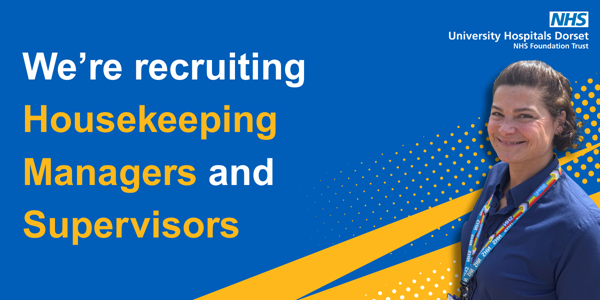
Join our Housekeeping Team at Royal Bournemouth Hospital as a Team Manager or Supervisor to help ensure our hospital is kept clean. In addition to the salary on offer, we pay generous unsocial hours enhancements and an NHS pension.
It is an exciting time at the Royal Bournemouth Hospital with our BEACH building opening earlier this year and the new COAST building opening in 2026. The Housekeeping Team look after the cleanliness in all areas of the hospital.
Team Managers work as part of the management team within Housekeeping, acting as ‘Duty Manager’ once or twice a week for the housekeeping service. They manage a team of around 50 Housekeeping Assistants and have a specialist area of responsibility such as rostering, recruitment and training, equipment or quality.
To apply click here: Vacancy : 7404452 Housekeeping Team Manager | trac.jobs admin system
Supervisors support our Housekeeping Assistants on a daily basis, ensuring they have everything they need and are using the correct cleaning techniques. Our supervisors provide new Housekeeping Assistants with training on our cleaning procedures.
To apply click here: Vacancy : 7405524 Housekeeping Supervisor | trac.jobs admin system
What are health and wellbeing check-ins?
A supportive, coaching-style one to one discussion focused on empowering individuals while also building individual and team resilience.
The aim is to embed these conversations across the system and create cultures where people feel heard and valued, and in which diversity is respected.
Check-in conversations should consider holistic needs, identify areas of support and include effective signposting.
There are three main purposes of check-in conversations:
To enable/empower all staff to have a confidential discussion about their wellbeing and what impacts on it
Think about how individuals and teams can nurture and protect their wellbeing
Identify areas of support and signpost effectively
Outputs from a health and wellbeing check-in conversation are to identify:
Areas of health and wellbeing that could be improved using a prevention or self-management approach. This includes support from line managers for workplace adjustments / flexible working
Areas needing additional, targeted support
Areas of organisational change where factors beyond the team or individual may be impacting on health and wellbeing
Wellbeing conversations are not:
Psychological interventions
Performance reviews
Intended to be documented for central monitoring purposes
A risk or mental health assessment
Who should be having these conversations?
In most cases, a health and wellbeing check-in conversation will be held by a line manager or supervisor but in some instances, colleagues may feel more comfortable talking to another trusted colleague about their wellbeing.
In this instance, Health and Wellbeing Champions or Mental Health First Aiders may be an alternative consideration.
When or where should they happen?
Wellbeing conversations could be opportunistic or be scheduled as part of 1:1s, shift handovers, annual work planning / appraisals etc.
They should take place in a safe, confidential space, both virtually and in person.
Recording health and wellbeing check-in conversations
Wellbeing conversations are confidential, they do not have to be recorded but it may be helpful for future check-ins.
Completing a Personal Health and Wellbeing Plan is one way to do this. Another option is to keep notes and ensure the file is password-protected. Anything that is recording belongs to the individual and should not be kept on their personal file.
Good signposting
Signposting is giving someone details of an organisation / service that might be able to address their needs.
It is normally left to the individual to contact the organisations and get the relevant support.
Resources
Why wellbeing conversations are important - video
NHS Leadership Academy Learning Hub
NHS England – Wellbeing conversations
Full list of support for signposting
Making reasonable adjustments to support staff with disabilities