


Specimen Acceptance Criteria
Post venipuncture
- FBC and Retics 24 hours (up to 48 hours, if stored at 2-5°C)
- ESR up to 8 hours
- IM plasma up to 24 hours, serum 8 days (if stored at 2-8°C)
- INR (on warfarin) samples up to 24 hours (stored 18-25°C)
- CS samples up to 8 hours (stored 18-25°C)
- D-Dimer up to 8 hours (stored 18-25°C)
- APTTR samples (on heparin) up to 4 hours (stored 18-25°C)
- DAT up to 7 days if stored at 2-8C
- Body fluids (e.g. Ascitic Fluid) should be tested within an hour of receipt (18-25°C)
'Add On' Tests and associated time frames
For additional examinations, send a further request form and /or a telephone call stating the patient and requestor details, laboratory number of the original request form and outline the additional examination/ Test(s) required.
Please note that the additional test(s) will only be permitted if the quality of the sample, at the time of the additional request, is viable.
Sample Collection & Labelling Requirements
Request Forms Must Include:
- Full patient identifiers (Forename, Surname , DOB, Hospital Number and/or NHS number)
- Clinical details and test requests
- Requestor’s name, signature, and contact details
- Phlebotomist’s signature, date, and time of sample collection
Labelling Policy:
- Samples must be labelled at the bedside, immediately after collection, by the person performing the phlebotomy.
- Pre-printed labels are acceptable for Blood Sciences tests (please check the label has printed correctly BEFORE placing on the sample).
- Minimum of four patient identifiers required on both sample and form.
Unconscious or Unknown Patients:
- Must have a unique hospital number (or Major Incident MI number), gender, “unknown” as surname and male/ female as forename with an appropriate ID band.
- Samples must be signed and dated.
Zero Tolerance:
- Incorrectly or incompletely labelled samples will be rejected.
Specimen Requirements
Common Tube Types:
- EDTA (Purple Cap, 4ml): Full Blood Count, ESR, IM screen, thalassemia screen, HLA B27, Flow Cytometry
- ESR requires half-filled tube
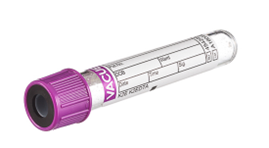
- HBA1c and FBC tests require two separate specimens
- Sodium Citrate (Blue Cap, 3.5ml): Routine coagulation tests, lupus and thrombophilia screens, factor assays
- Must be filled correctly to ensure accurate results
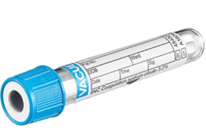
For thrombophilia: 6 x Blue Cap, 1 x Yellow SST, 1 x Purple EDTA Specimen tube
requirements for Single Factor Assay Analysis 2 x Blue Top
For Multiple Factor assays or von-Willebrands Disease Investigation 4 x Blue Top
If PFA100 investigation is also required, 6 x Blue Top.
Blood specimen tubes must be filled in a specific order of draw
For esoteric requests please contact Coagulation for specimen and delivery requirements
May be used to measure platelets if platelets clump in EDTA tube and please mark form clearly as specimen must not be centrifuged
A separate SST sample must be taken if Biochemistry tests also requested
Other Requirements:
- Specimens must not be clotted, underfilled, haemolysed, or lipaemic
- Tubes must be within expiry and stored at 4–25°C
- Outpatient and GP requests for specialist coagulation tests must be bled at RBH Phlebotomy Department
Factors affecting test performance and interpretation of results
Misleading results can arise from deviations from policy in the pre-analytical phase.
Ideally the results of blood tests should accurately reflect the values in-vivo.
It is essential to take precautions to prevent or minimize in-vitro changes by conforming to recommended criteria during sample collection and storage.
Key Factors affecting test results:
- Incorrect/Insufficient anticoagulant
- Insufficient mixing of sample
- Underfilled or overfilled samples (particularly coagulation samples)
- Timely sample receipt in the laboratory for testing in a timely manner, especially coagulation samples
- Clotted samples
- Samples stored/transported at an incorrect temperature
- Poor phlebotomy technique e.g. haemolysed samples
- Lipaemic samples