
Blood-Borne Virus Screening at University Hospitals Dorset NHS Foundation Trust in the Emergency Department
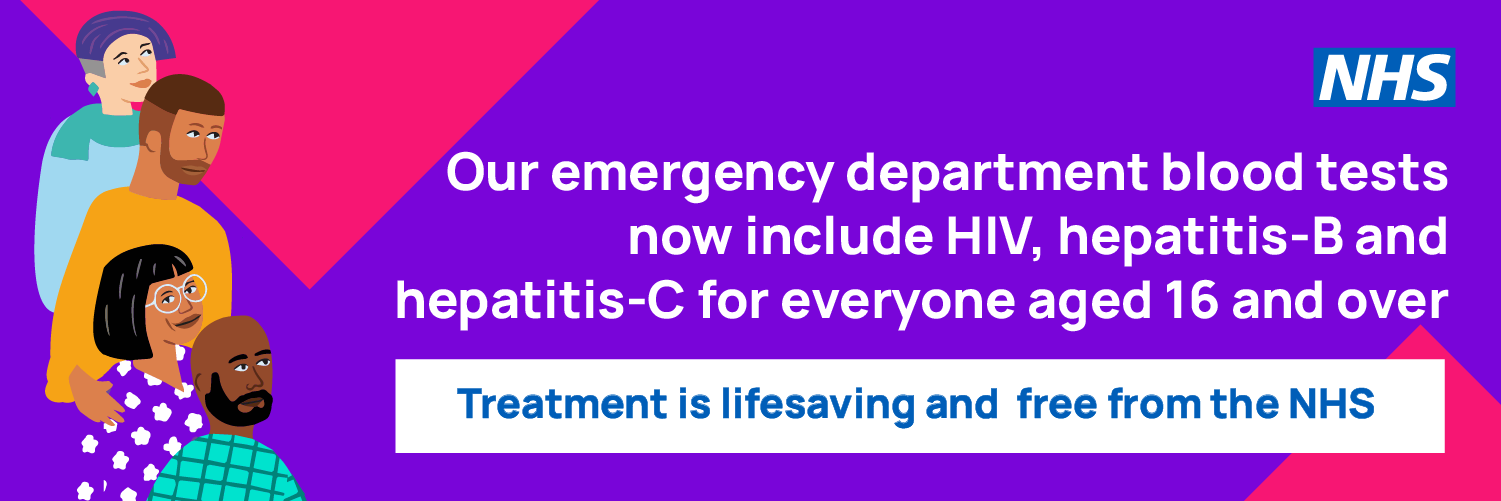
From 5th December 2024, all patients aged 16 and over having blood tests in the Emergency Department will be routinely screened for Blood-Borne Viruses (BBVs). This webpage offers essential information about the screening process, its significance, and guidance, along with resources for both the public and healthcare professionals.
Why We Test for BBVs
Blood Borne Viruses (BBVs) include HIV, Hepatitis B (HBV), and Hepatitis C (HCV). These viruses can exist in the body for many years without causing symptoms. Early detection is crucial for effective management and treatment.
When you visit the Emergency Department (ED) at University Hospitals Dorset and require blood tests, we will also screen for BBVs. This screening is part of our routine care to help protect your health and the health of those around you. This is an "opt-out" test, meaning the screening will be done unless you choose to decline.
Consent
Testing for BBVs in our Emergency Department will occur on an 'opt-out' basis. This means if you have a blood sample taken as part of your care, we will automatically test for BBVs.
How the BBV Screening Works
-
What's Included
The BBV screen tests for HIV, Hepatitis B, and Hepatitis C.
-
Opt-Out Option
If you prefer not to be tested, please inform the nurse or doctor before your blood is taken.
-
Why It's Important
Many people are unaware they've been exposed to these viruses. Knowing your status helps you take control of your health.
What to Expect After the Test
-
Negative Results: If your test results are negative, we will not contact you, as no further action is needed.
-
Positive Results:If any of your results are positive, our specialist teams will contact you directly:
Specialist Team:
They will reach out if your test is positive or if a repeat test is needed. They will also arrange any necessary repeat tests and coordinate a referral to the HIV or Hepatology service, as appropriate.
We aim to process all results within four weeks. If you are admitted to the hospital, we will discuss the results with you before discharge. If you've been discharged, our teams will contact you at home.
What if You Don't Want to Know Your Results?
It's understandable to feel anxious about test results. However, it's always better to know your status so that you can access treatment if necessary. If you choose not to know your results, please inform the healthcare professional taking your blood.
Updating Your Contact Details
It's crucial that we have your correct contact details so we can reach you if needed. If your details change within the week after your test, please update them with your GP and contact our results line.
Privacy and Confidentiality
Your privacy is our priority. All test results and personal information are handled with the utmost confidentiality. Only the relevant healthcare professionals involved in your care will have access to your results.
Common Questions and Concerns
Does an HIV test affect my ability to get life insurance or a mortgage?
No, a negative HIV test has no impact on life insurance or mortgage applications. Even with a positive result, insurance companies recognize that HIV is a manageable condition with proper treatment.
What should I do if I'm worried about a positive result?
We understand that this can be a stressful time. Our specialist teams are here to support you with any questions or concerns. Please don't hesitate to reach out.
Useful Contacts and Resources
For any questions regarding BBV screening, including HIV, Hepatitis B, and C, at UHD, please contact our specialist team at 07356 146965. Our lines are open Monday to Friday, 9 am to 5 pm. You can leave a message anytime, but please note that messages are responded to during business hours only (excluding bank holidays). If the team is busy, please leave a message, and they will return your call as soon as possible.
Human Immunodeficiency Virus (HIV) Information:
AIDS Map: www.aidsmap.com
NHS (HIV and AIDS page): www.nhs.uk/conditions/hiv-and-aids
Terrence Higgins Trust: Leading HIV charity for advice and support.
Tel: 0808 802 1221 Email: This email address is being protected from spambots. You need JavaScript enabled to view it. Website: www.tht.org.uk
Hepatitis Information:
British Liver Trust: Support for those affected by liver disease.
Helpline: 0800 652 7330 Website: www.britishlivertrust.org.uk
Hepatitis C Trust: Information and support for those with Hepatitis
Helpline: 020 7089 6221 Website: www.hepctrust.org.uk
NHS (Hepatitis B page): www.nhs.uk/conditions/hepatitis-b
Resources for UHD Staff and Professionals
Professionals Resources for HIV and Hepatitis Care
-
Hearts & Minds HIV Stigma Training Resource: About | Hearts and Minds
-
RCGP Hepatitis C: Enhancing Prevention, Testing and Care eLearning Course: RCGP eLearning
-
Tackling HIV Related Stigma Training Resource: NHS Training
-
Breaking Barriers in HIV Care: Optimising Interventions in NHS Talking Therapies for Anxiety and Depression: e-LfH Programme Course
BBV Screening Support: Guidance and Training for UHD
Emergency Department (ED)
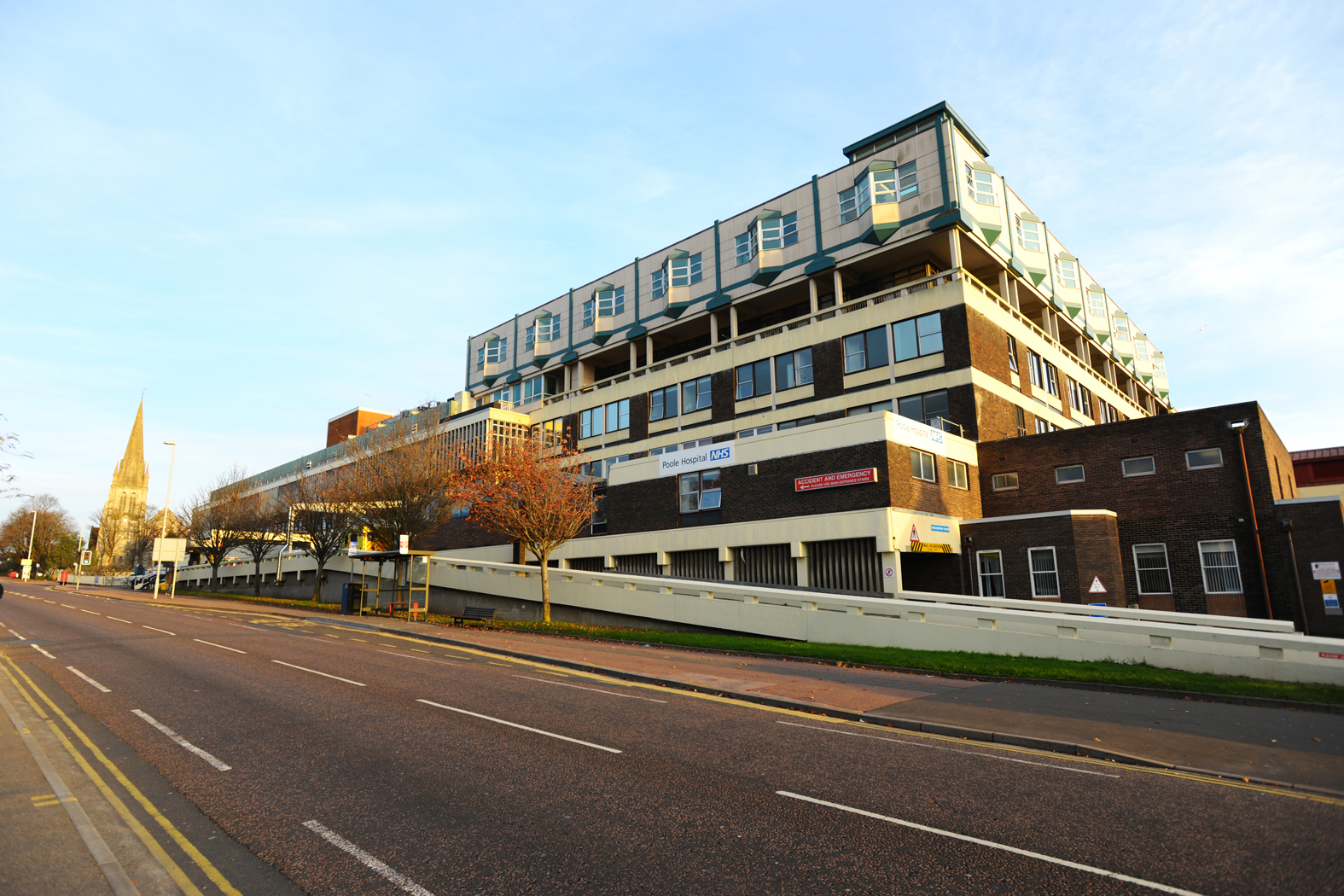
We have Emergency Departments (ED) at both the Royal Bournemouth and Poole hospitals. They are both open 24 hours a day, seven days a week.
-
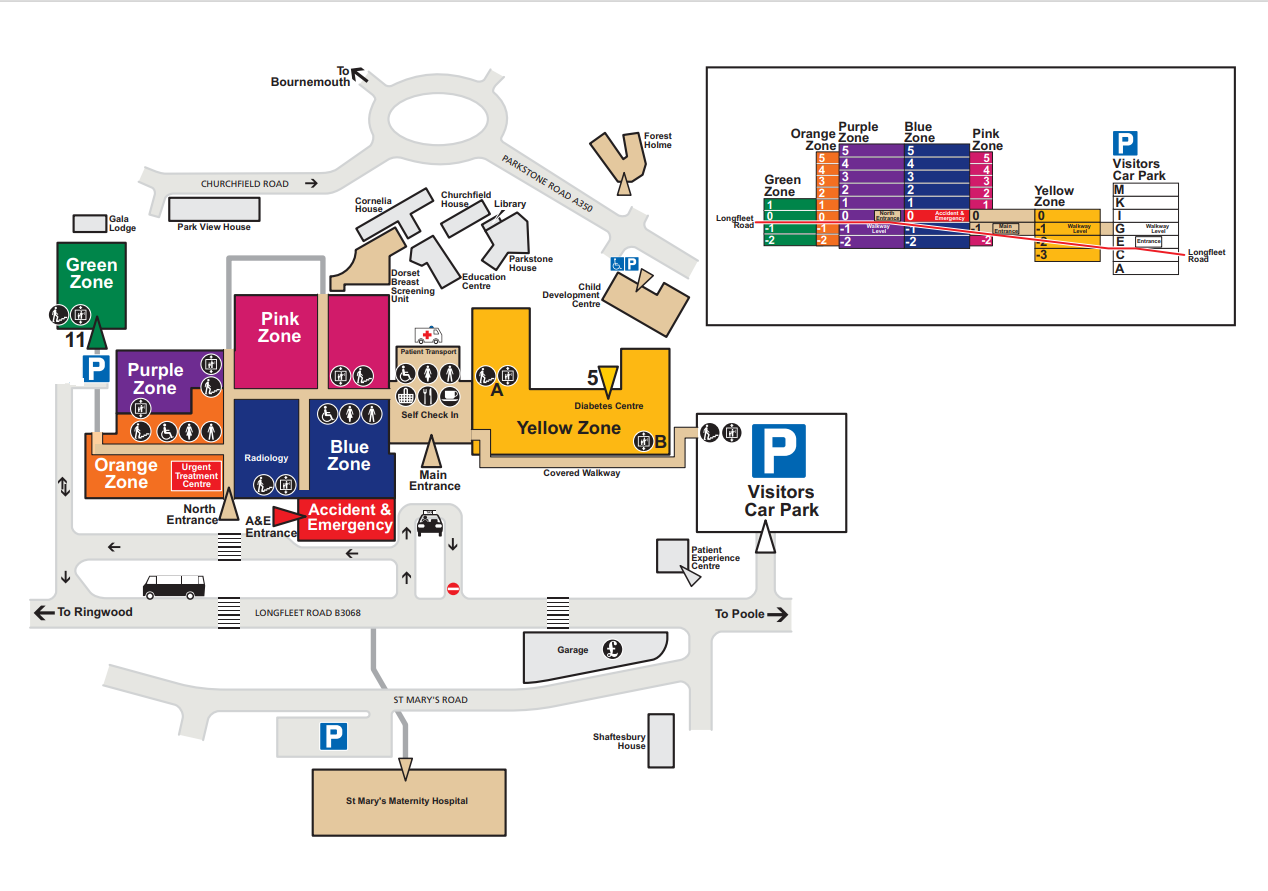
Poole Hospital, Longfleet Rd, Poole, BH15 2JB. Tel: 0300 019 2202 Site map here
-
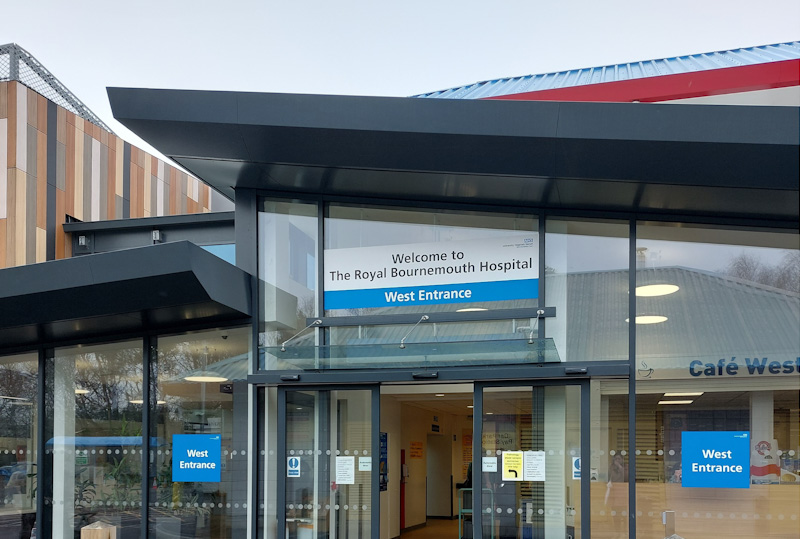
Royal Bournemouth Hospital, BEACH Building, Castle Lane West, BH7 7DW. Tel: 0300 019 4169 Site map here
Those registered with a GP in Dorset who attend the Emergency Departments (ED) in the Royal Bournemouth Hospital or Poole Hospital may now be asked to contact their own GP surgery or directed to a local pharmacy if their condition is not serious enough to require emergency care in hospital.
This change helps to ensure patients get the right care, in the right place, at the right time.
What does this mean for patients?
If you attend our ED with a minor illness, you may be:
- advised to contact your own GP - this is usually via online GP platforms or the NHS app
- directed to a community pharmacy for expert advice and treatment
- signposted to another appropriate local health service
If you need assistance completing the online forms our teams will be able to help. Anyone who needs urgent or emergency hospital care will still be seen in ED or at the Urgent Treatment Centre (UTC) as soon as possible. Our UTC operates a booked appointment system, so if this is the best place for your care, you may be asked to return at a later time to be seen.
Why is this happening?
ED services are under extreme pressure. Many people attend with conditions that can be safely and more quickly treated by those in Primary Care, pharmacists or other community services.
By using a NHS digital triage tool, we can safely prioritise, redirect and schedule patients based on clinical need, with support from our clinical colleagues where required. This will help us ensure we:
- keep our Emergency Departments clear for people with life-threatening emergencies
- improve wait to be seen times for people with life-threatening emergencies
- help all patients get seen faster with treatment in the most appropriate setting
- improve overall patient experience and safety
This approach also helps prevent overcrowding in ED, which can impact care for the sickest patients.
What types of conditions may be redirected?
Examples include:
- minor infections or injuries that don’t need hospital treatment
- medication queries or prescription related issues
- flare-ups of stable long-term conditions
- general health concerns that can be managed by primary care colleagues
Clear safety checks are in place, and patients will immediately be sent to ED if there are any concerns.
When should you still use ED?
You should always attend ED or call 999 for emergencies such as:
- chest pain
- signs of stroke
- severe breathing difficulties
- serious injury or bleeding
- loss of consciousness
For non-urgent health issues, people are encouraged to:
- contact their GP practice
- visit a community pharmacy
- use NHS 111 for advice and guidance
Dr Peter Wilson, Chief Medical Officer, said: “This year we have seen record numbers of people attending our Emergency Departments and patients often waiting a long time to be seen. While our teams are working incredibly hard to support our patients, we need to focus on those who need urgent help the most.
“By having this additional support at the front door of the Emergency Department, we hope more people will get the care they need more quickly, allowing our teams to concentrate on providing life-saving care.”
Treatment is allocated based on the nature and seriousness of the presenting problem, so you may find patients who arrive after you are seen before you. We understand this can be frustrating, but it is important we prioritise care based on need and we really appreciate your patience.
If you are treated in one of our emergency departments, you may be admitted onto majors and possibly then kept for observation or taken to a ward, or the clinician who sees you treat you in minors and decide you are able to leave hospital after treatment. They will let you know what follow-up, if any, is required before you leave. Your GP will receive a letter advising them that you attended our ED.
When you attend one of our EDs, you will need to book in with a receptionist. You will then be seen by a triage nurse who will treat you, refer you to another health care provider such as an out of hours GP or a dentist, or allocate you for treatment in the department. The triage nurse may also arrange for investigations such as blood tests or x-rays to be carried out. Before you attend one of our EDs, please check you are choosing the right service for you.
If you arrive by ambulance you will still see the triage nurse, unless your illness or injury needs immediate care. If you are very unwell you may be taken to our resuscitation room, often called 'resus'.
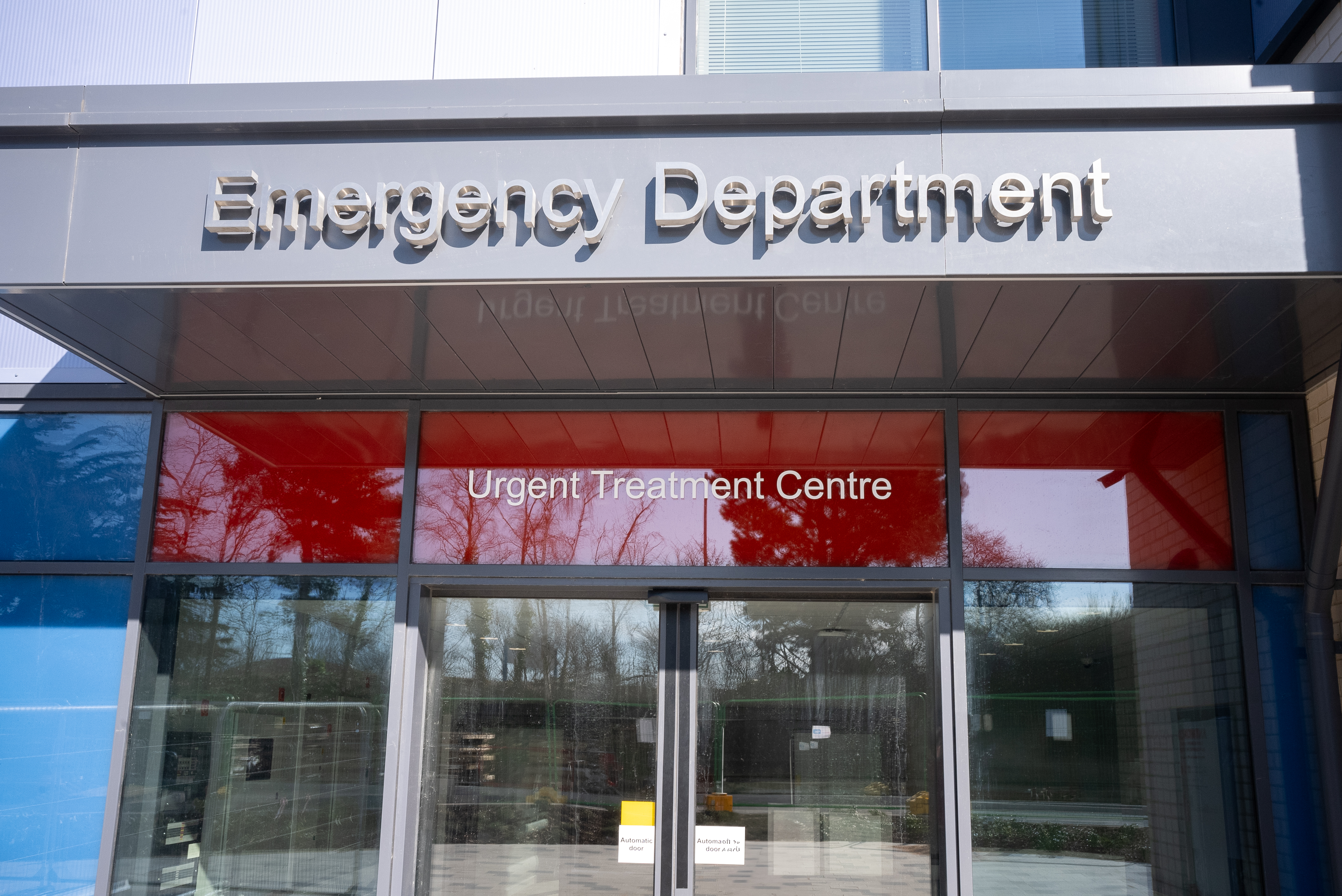
Royal Bournemouth Hospital
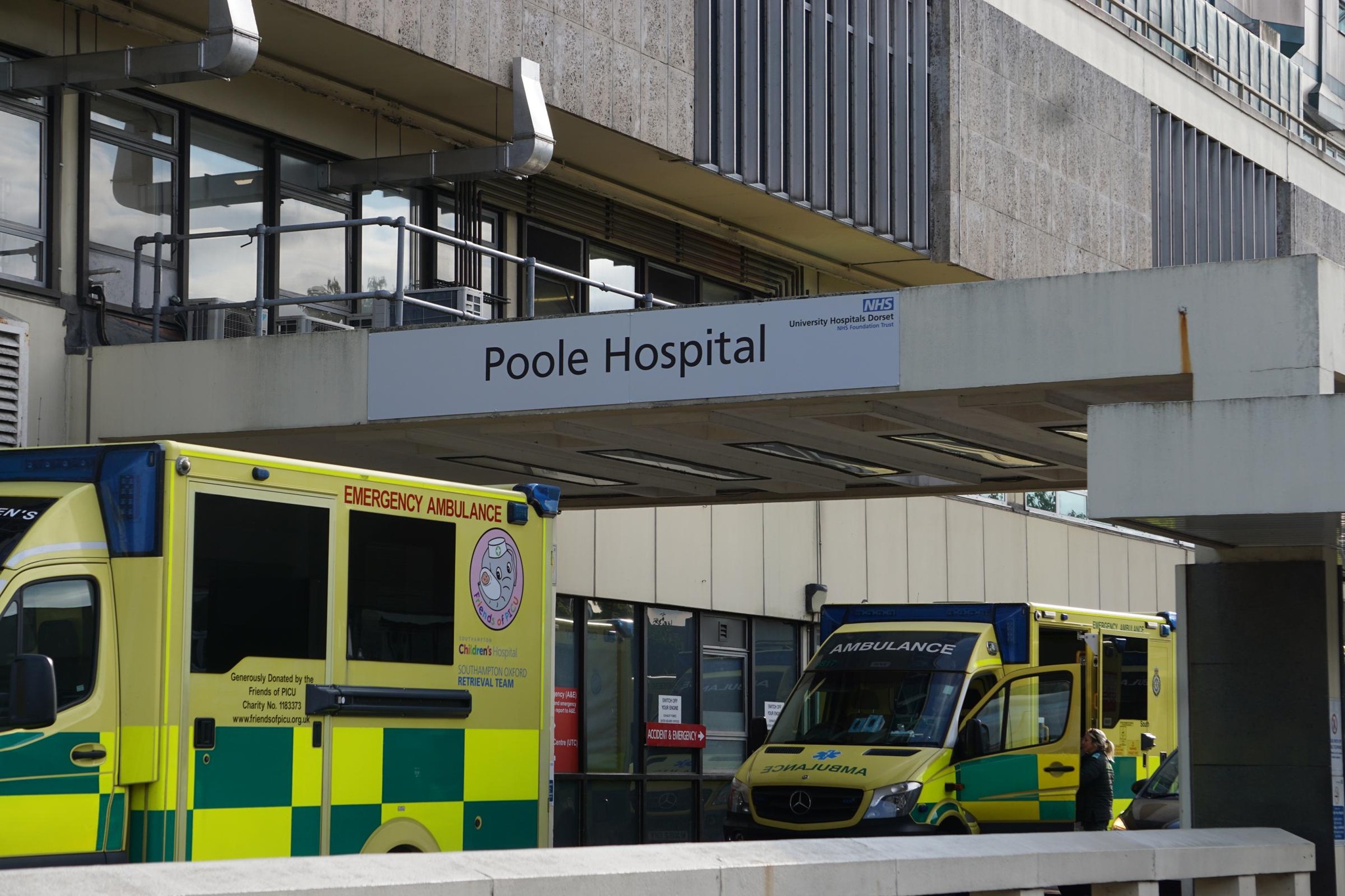
Poole Hospital
Multilingual Information on Blood-Borne Virus Screening
Access vital blood-borne virus screening information in multiple languages to support diverse communities.